PYONGYANG BANDAJI-평양 반닫이

This type of furniture is commonly found in Pyongyang, the current capital city of North Korea. Pyongyang has been a center of economic and cultural influence since the Goryeo dynasty (918–1392). The climate in the area is characterized by very cold winters and hot, dry summers. They are quite easy to recognize due to their […]
THE KITCHEN CHEST. 찬장

THE KOREAN KITCHEN. To better understand the main features of Korean kitchen furniture, it is necessary to examine the design of the Korean kitchen during the Joseon dynasty. “The kitchen “Puok” was usually connected to the women’s inner room by a storage area called “Tarak-bang”. Found at a lower level than the women’s inner room, […]

CASE STUDY: THE KOREAN SMALL LACQUERED TABLE

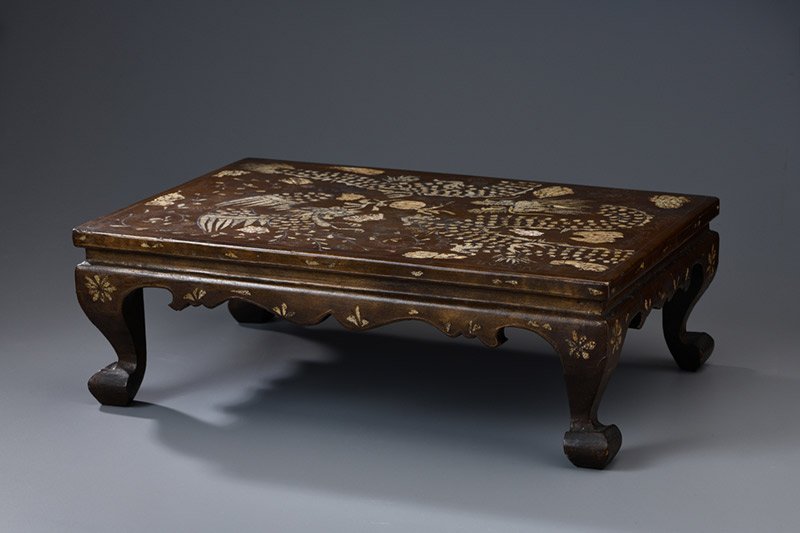
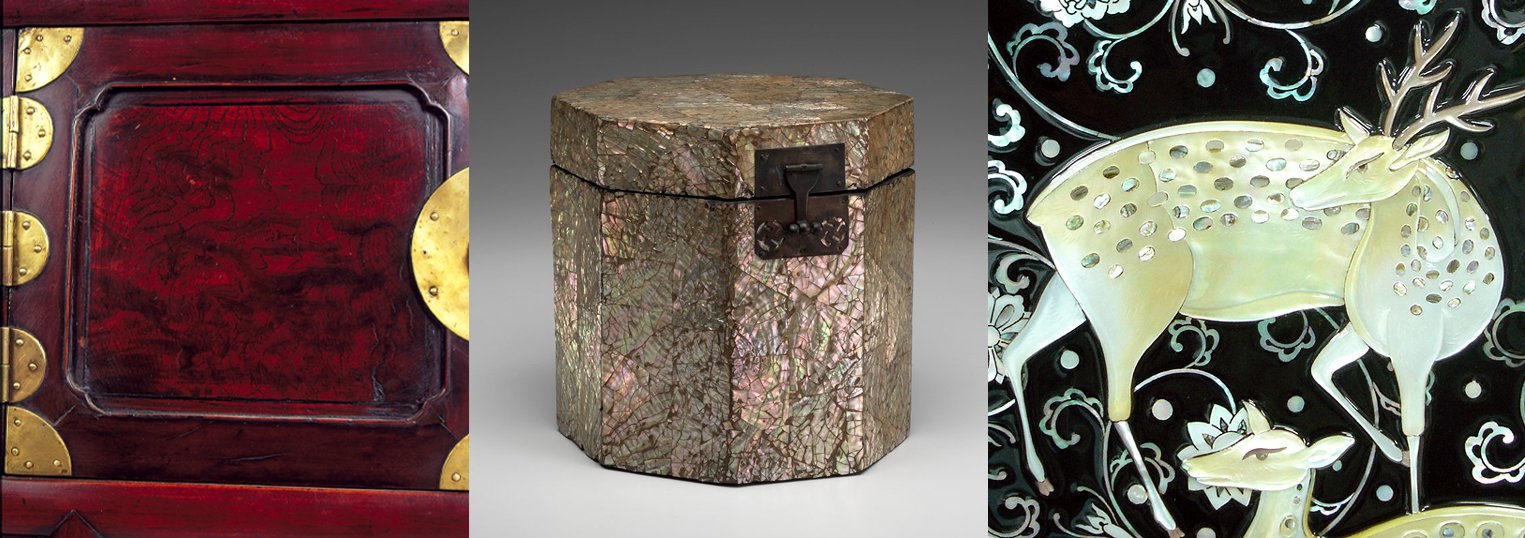
Korean lacquer inlaid furniture, adorned with mother of pearl, tortoise shell, and shagreen, exemplifies a captivating fusion of traditional craftsmanship and artistic excellence. This style of furniture is deeply ingrained in Korean culture and boasts a rich historical legacy. An article on Korean lacquer has been published on this same site: The Art of Korean […]

METALWORK PATTERNS ON KOREAN FURNITURE.

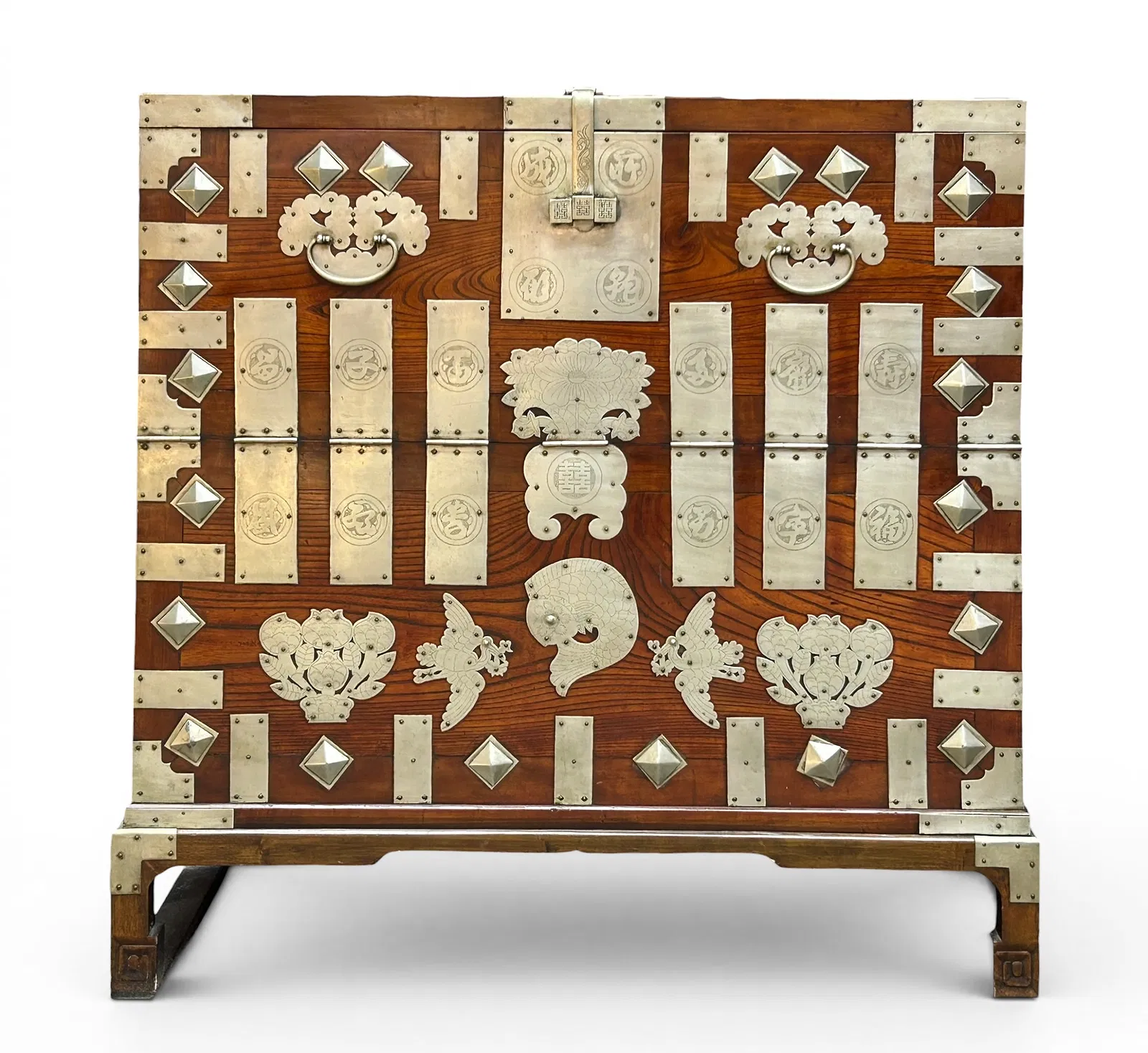
CHANGSOK. “Changsok” refers to the metal decoration used on Korean furniture. These metal fixtures served both utilitarian and decorative purposes, being crafted from materials like cast iron, copper, tin, nickel, and white brass. The white brass alloy, which includes tin and sometimes nickel in addition to the conventional copper and zinc found in yellow brass, […]

JANG – 장

Feature image: Jang – Two level chest. Zelkova wood, lacquer, brass fittings. H. 134cm, W. 103cm, D. 47cm. Early 19th century. Collection Weisman Art Museum, Minneapolis, Minnesota. USA. The “Jang” was a type of furniture traditionally used for storing clothes in Korean households. However, due to cost considerations, most modest households opted for the “Bandaji“. […]

PERSIMMON WOOD – 감나무

Persimmon wood called 감나무 “Kam Namu” in Korean belong to the family “Diospyros kaki”. https://en.wikipedia.org/wiki/Diospyros_kaki Originating in Eastern Asia, as evidenced by its presence in Chinese culture as early as several centuries B.C., the persimmon made its way to Japan in the seventh century and to Korea in the fourteenth century. While persimmon trees belong […]

THE CASE OF THE KOREAN STAIRCASE.

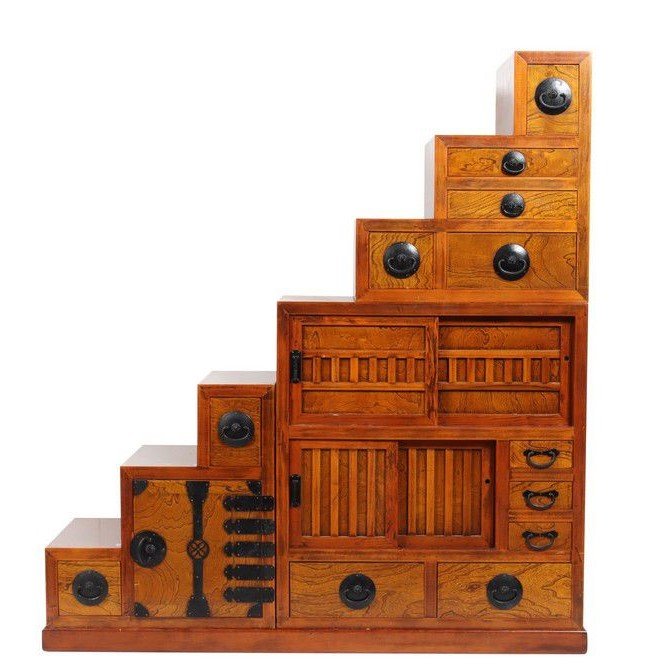
We feel it’s necessary to set the record straight regarding the Korean staircase. Indeed, numerous posts in our group, as well as the frequent presentation of this type of furniture with their erroneous descriptions in auctions or galleries, have led us to resolve this matter once and for all. Here are just a few examples […]

KOREAN BOXES – 목함

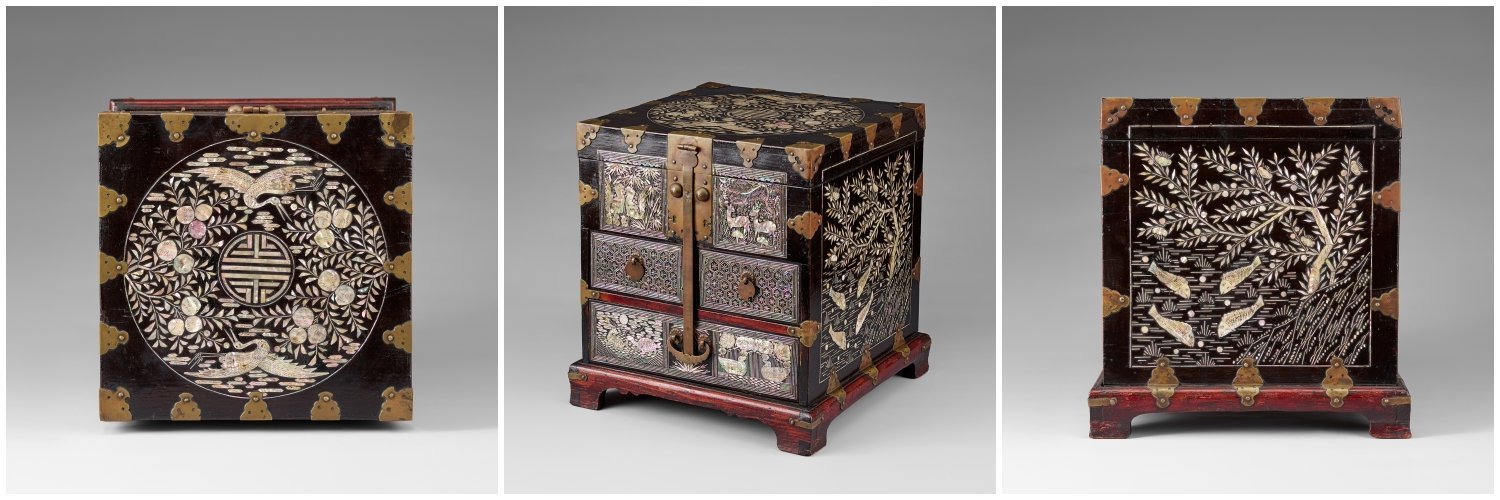
Small original boxes are likely the most challenging pieces to come across in the Korean furniture market due to their historical association with the elite. These boxes are relatively rare, and they were used in both men’s and women’s quarters for various purposes. Among these boxes, the wedding box was the most common and could […]

WITNESSES OF THE PAST.

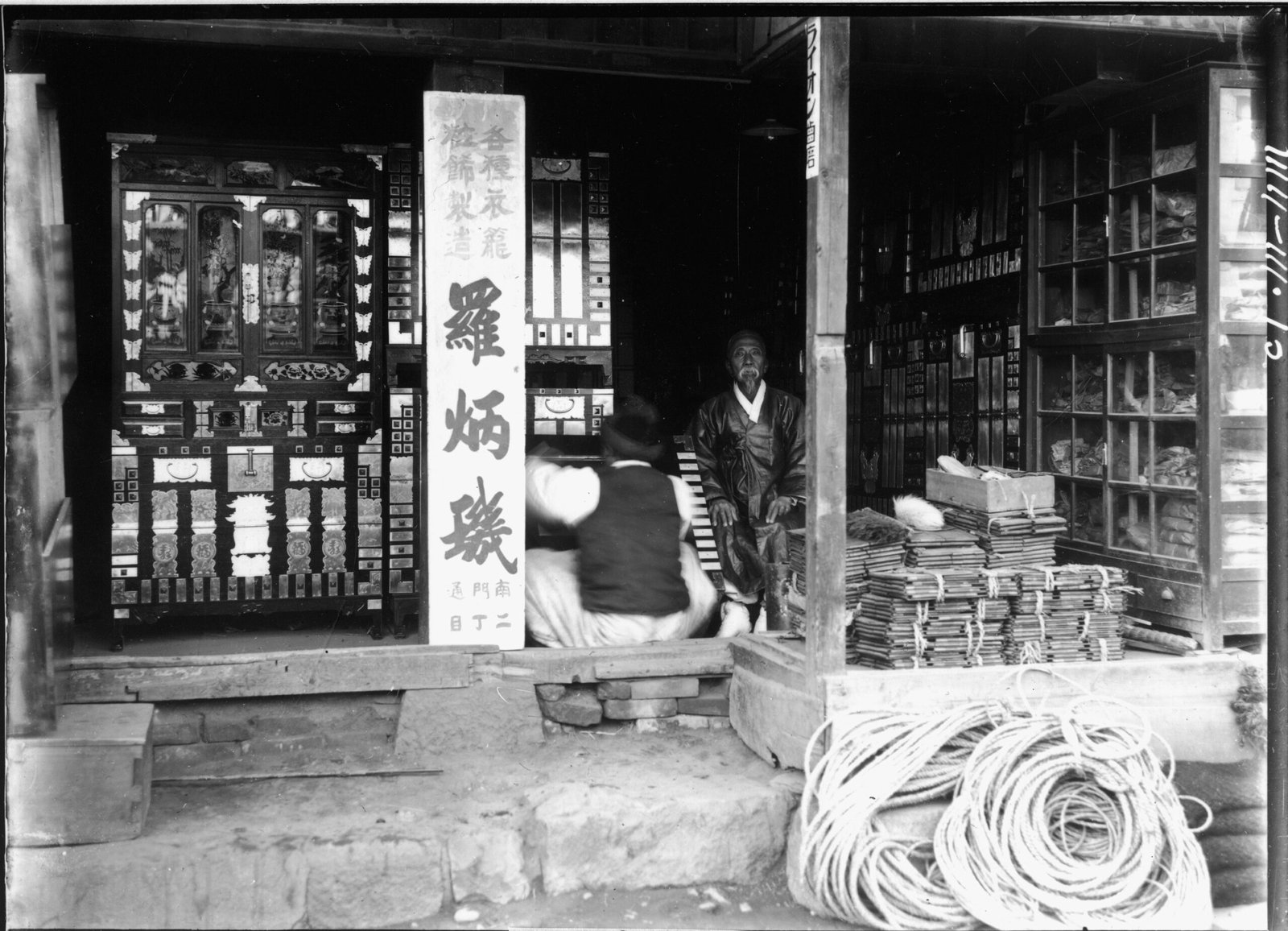
OLD PHOTOS, PAINTINGS AND DRAWINGS OF KOREAN FURNITURE. The study of the origins of traditional Korean furniture is complex due to the lack of proper documentation. Prior to the 19th century, paintings provide some information about the lifestyle of Koreans during the Joseon Dynasty. From the middle of the 19th century, photographs taken by explorers […]

METHODS OF KOREAN FURNITURE FINISHES.

In this publication, we delve into the technique of wood finishing for Korean furniture during the Joseon Dynasty. To the best of our knowledge, there is a scarcity of studies in English on this subject, necessitating our reliance on publications in Korean. Our hypotheses are formulated based on a thorough examination of numerous pieces, the […]