WOOD SPECIES

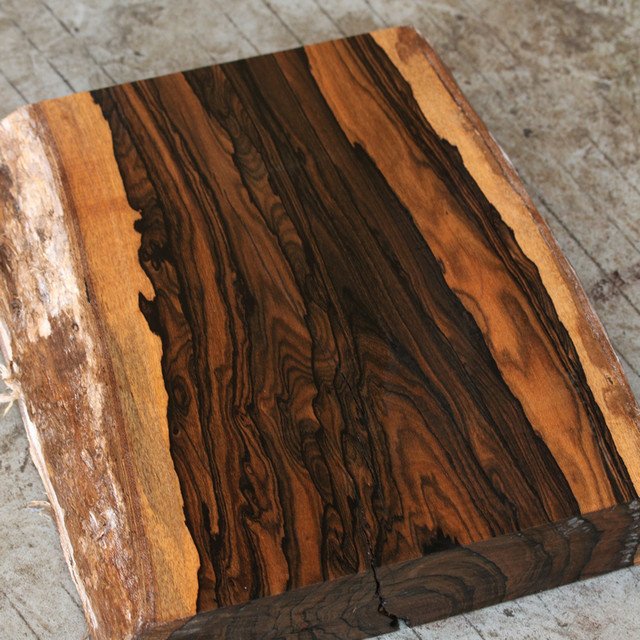
Years later, I came to realize that my university studies in Geomorphology had greatly aided my comprehension of Korean furniture in terms of the materials employed in its construction. During my initial visit to Korea in the mid-1980s, I was struck by the deep reverence Koreans held for wood. An examination of the country’s geography […]

METALWORK PATTERNS ON BANDAJI

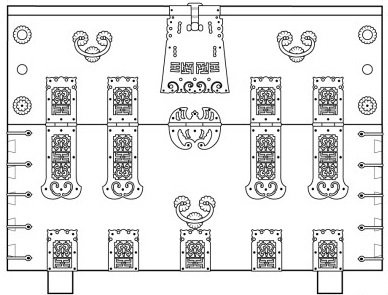
In another article, we discussed the topic of metal fittings on Korean furniture. METALWORK PATTERNS ON KOREAN FURNITURE. That initial analysis focused on their categorization across all types of furniture as well as their symbolism. In this new publication, we focus solely on the fittings found on the bandaji. Drawings courtesy of: Wooden furniture : Understanding […]

METALWORK PATTERNS ON KOREAN FURNITURE.

CHANGSOK. “Changsok” refers to the metal decoration used on Korean furniture. These metal fixtures served both utilitarian and decorative purposes, being crafted from materials like cast iron, copper, tin, nickel, and white brass. The white brass alloy, which includes tin and sometimes nickel in addition to the conventional copper and zinc found in yellow brass, […]

PERSIMMON WOOD – 감나무

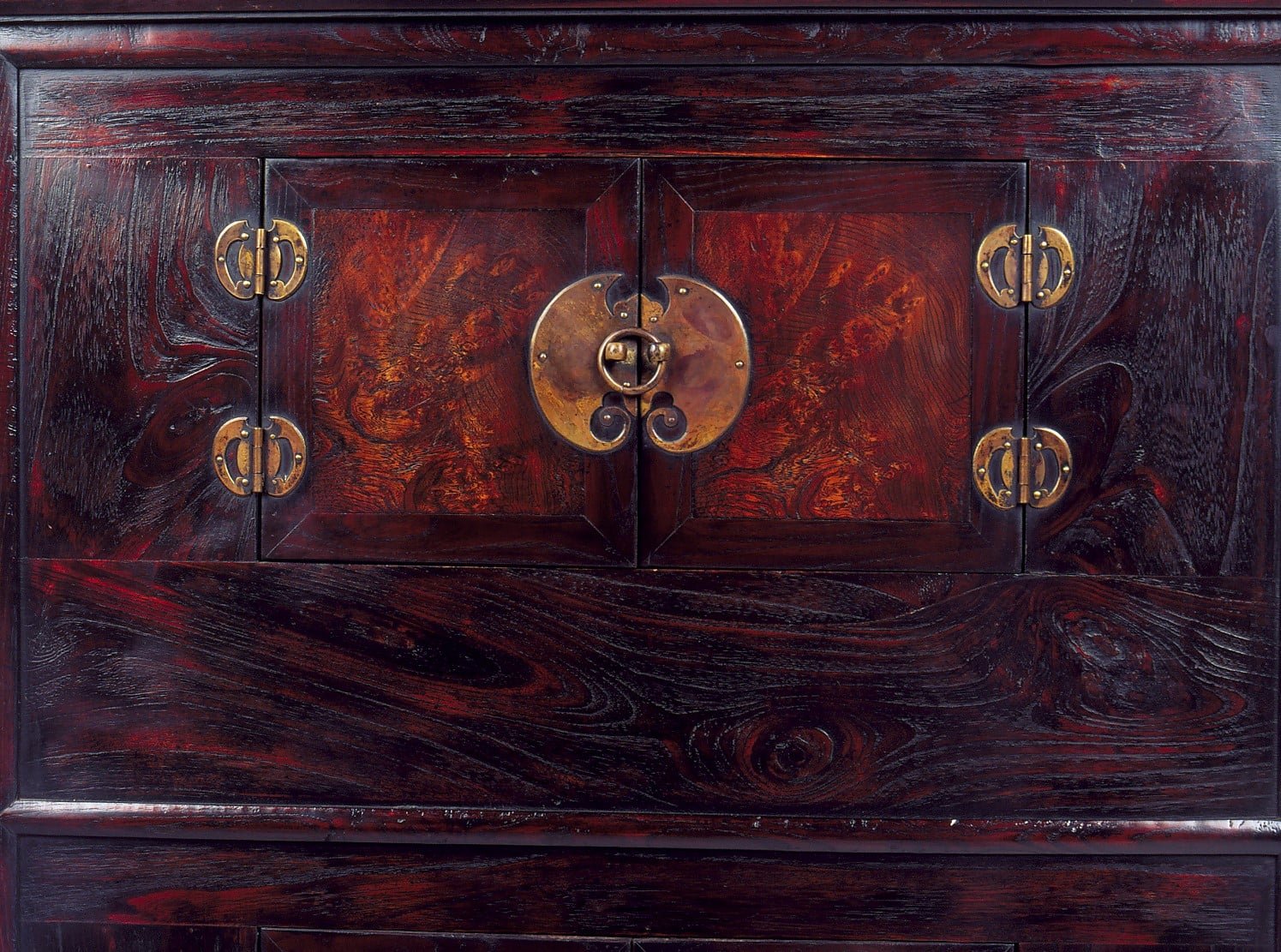
Persimmon wood called 감나무 “Kam Namu” in Korean belong to the family “Diospyros kaki”. https://en.wikipedia.org/wiki/Diospyros_kaki Originating in Eastern Asia, as evidenced by its presence in Chinese culture as early as several centuries B.C., the persimmon made its way to Japan in the seventh century and to Korea in the fourteenth century. While persimmon trees belong […]

JOINERY & CONSTRUCTION METHODS

소목 (Somok), traditional joinery. During the Joseon Period, a wide range of joining techniques was employed. While Korea’s climate, characterized by four distinct seasons, facilitated the availability of exquisite woods, it also led to significant wood movement, resulting in warping and cracking of wood panels. A piece of furniture typically comprised three main components: the top, body, […]

THE BEAUTY OF PAULOWNIA WOOD

Paulownia tree is called “Odong namu” in Korean 오동나무. Paulownia coreana, grows primarily in East Asia, with the southern region of Gyeonggi Province in Korea, including Seoul, being a notable area for its growth. Throughout history, it has been highly regarded for its exceptional wood quality and has been a preferred material for crafting furniture. […]