METAL INLAY, AN OLD KOREAN CRAFT.

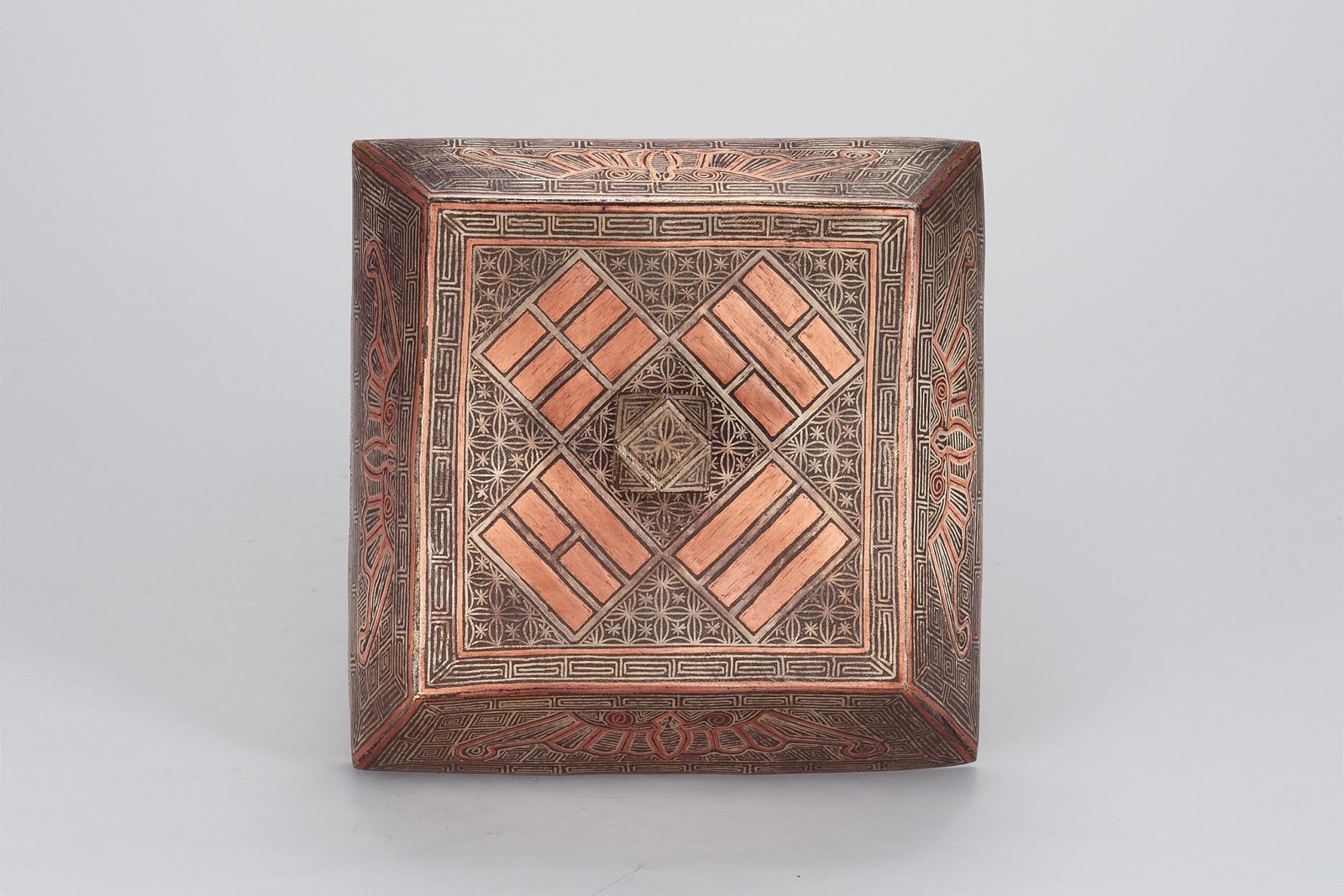
Inlaying, a method known as “ipsa” in Korean, involves cutting lines or grooves into metals like copper and iron, and then filling them with other metals such as gold, silver, and copper to create intricate patterns. Creating these grooves is a challenging task that demands hours of meticulous chiseling. In the art of ipsa, every […]
KOREAN FURNITURE JOINERY & CONSTRUCTION

소목 (Somok), traditional joinery. During the Joseon Period, a wide range of joining techniques was employed. While Korea’s climate, characterized by four distinct seasons, facilitated the availability of exquisite woods, it also led to significant wood movement, resulting in warping and cracking of wood panels. A piece of furniture typically comprised three main components: the top, body, […]

THE ART OF KOREAN LACQUER

Lacquer, known as “ottchil” (옻칠) in Korean, is a natural paint that has been utilized in Asia since ancient times. Its properties, such as water and insect repellency, enhance the durability of objects while imbuing them with a beautiful luster. The application of lacquer is a time and labor-intensive process. Initially, it takes several months […]

WHEN DRAGON MEETS PHOENIX

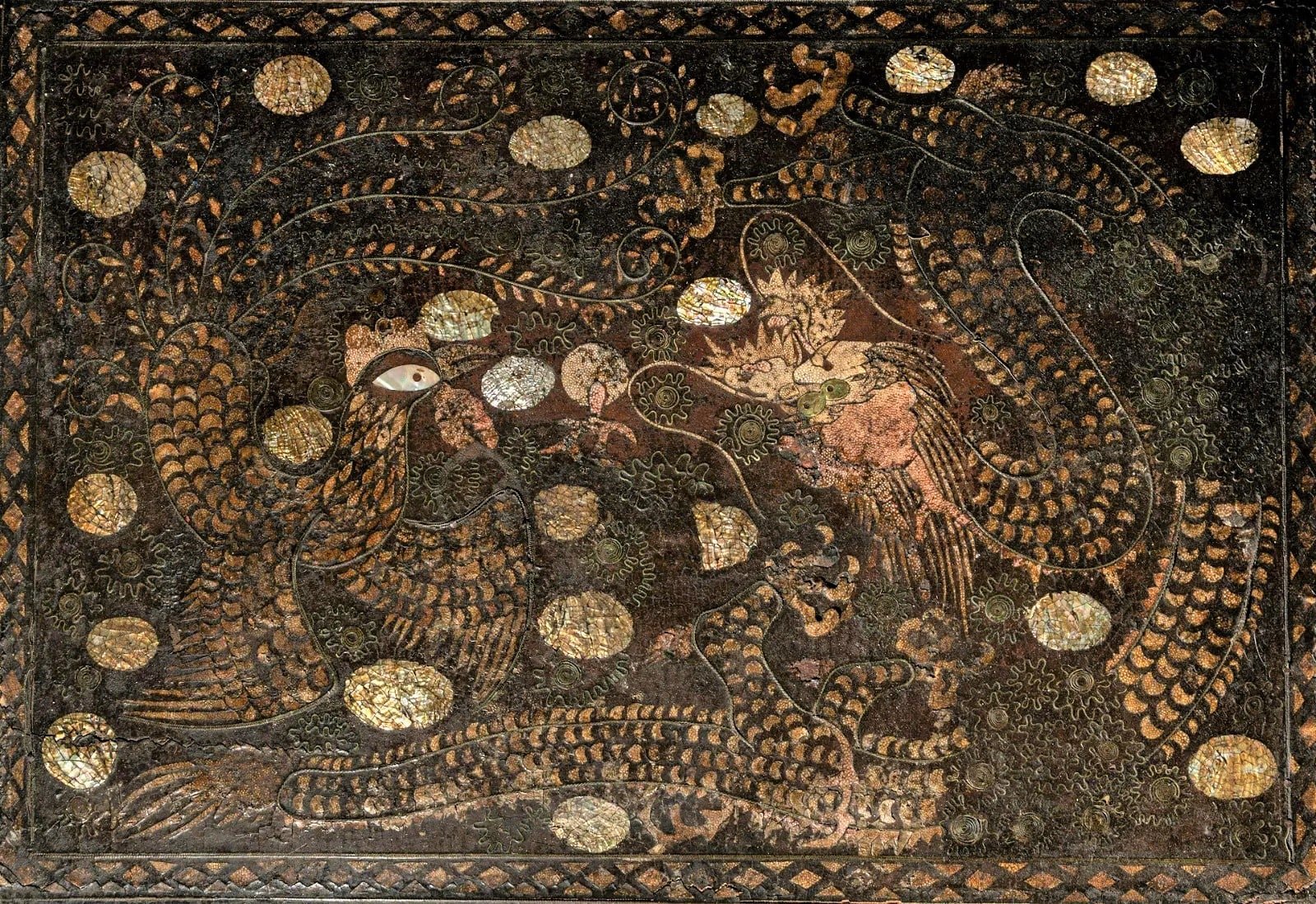
These two emblems were borrowed from Chinese mythology and are occasionally found in Korean art. Korean furniture is often adorned with auspicious motifs, frequently found on hinges or inlays made from materials such as mother of pearl, tortoiseshell, or shagreen. This design is less commonly carved into wood, as is the case with Chinese furniture. […]

THE FISH SHAPED LOCK.

Fish-shaped locks were among the most commonly found items in Korean homes. Just like the turtle, the fish symbolized protection, with their vigilant eyes always open. These fish-shaped locks would safeguard possessions while household members slept. Crafted from metal molds, these whimsically designed yellow brass locks were used to secure wardrobe armoires, wedding trousseau boxes, […]

LE GALUCHAT

Shagreen has been prized since the time of the pharaohs in Egypt and during the Chinese Han Dynasty (202 BC – AD 220). In China, it was used in the construction of bows. In Japan, shagreen has been well-documented and preserved since it began appearing on the sword hilts and armor of Japanese Samurai during […]

THE BEAUTY OF PAULOWNIA WOOD

Paulownia tree is called “Odong namu” in Korean 오동나무. Paulownia coreana, grows primarily in East Asia, with the southern region of Gyeonggi Province in Korea, including Seoul, being a notable area for its growth. Throughout history, it has been highly regarded for its exceptional wood quality and has been a preferred material for crafting furniture. […]

MOTIFS OF DECORATION- THE BAT

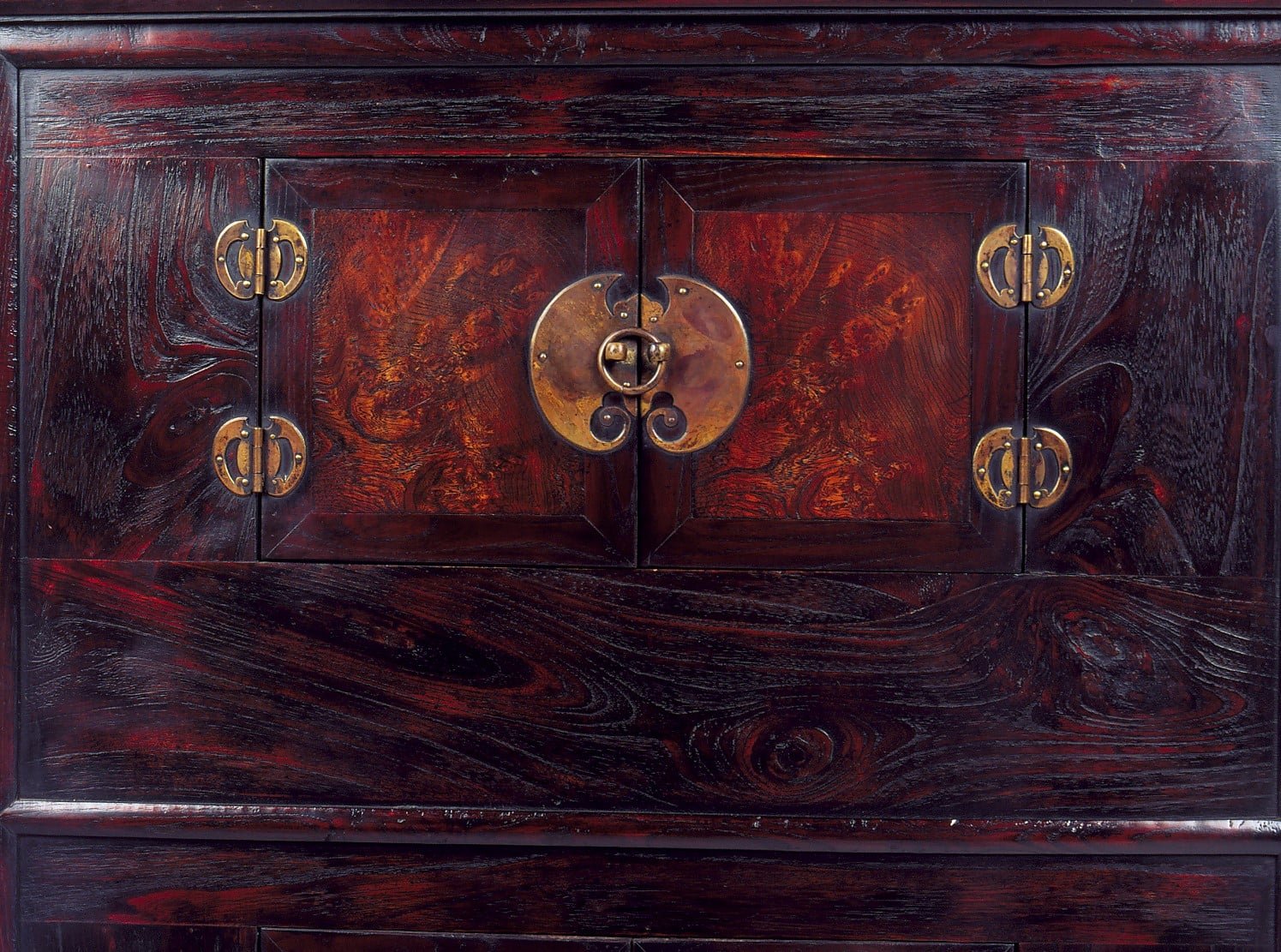
The Chinese character for bat is pronounced the same as the character for good fortune (in Korean, “복” or “폭탄”). This similarity led to bat images being embroidered on pillow ends and incorporated into furniture designs and fittings as a symbol of good fortune. As bats were believed to live for a long time, their […]

THE PATH TO AFTERLIFE – or discovering Koreans through their furniture.

This post is the first in a series of articles related to a study of the Korean people through their arts, particularly their furniture. Most of the antique Korean furniture available today is known as “Joseon” furniture. The Joseon dynasty, also transcribed as Chosŏn or Chosun, in Korean: 대조선국, was the last dynastic kingdom of […]