WITNESSES OF THE PAST.

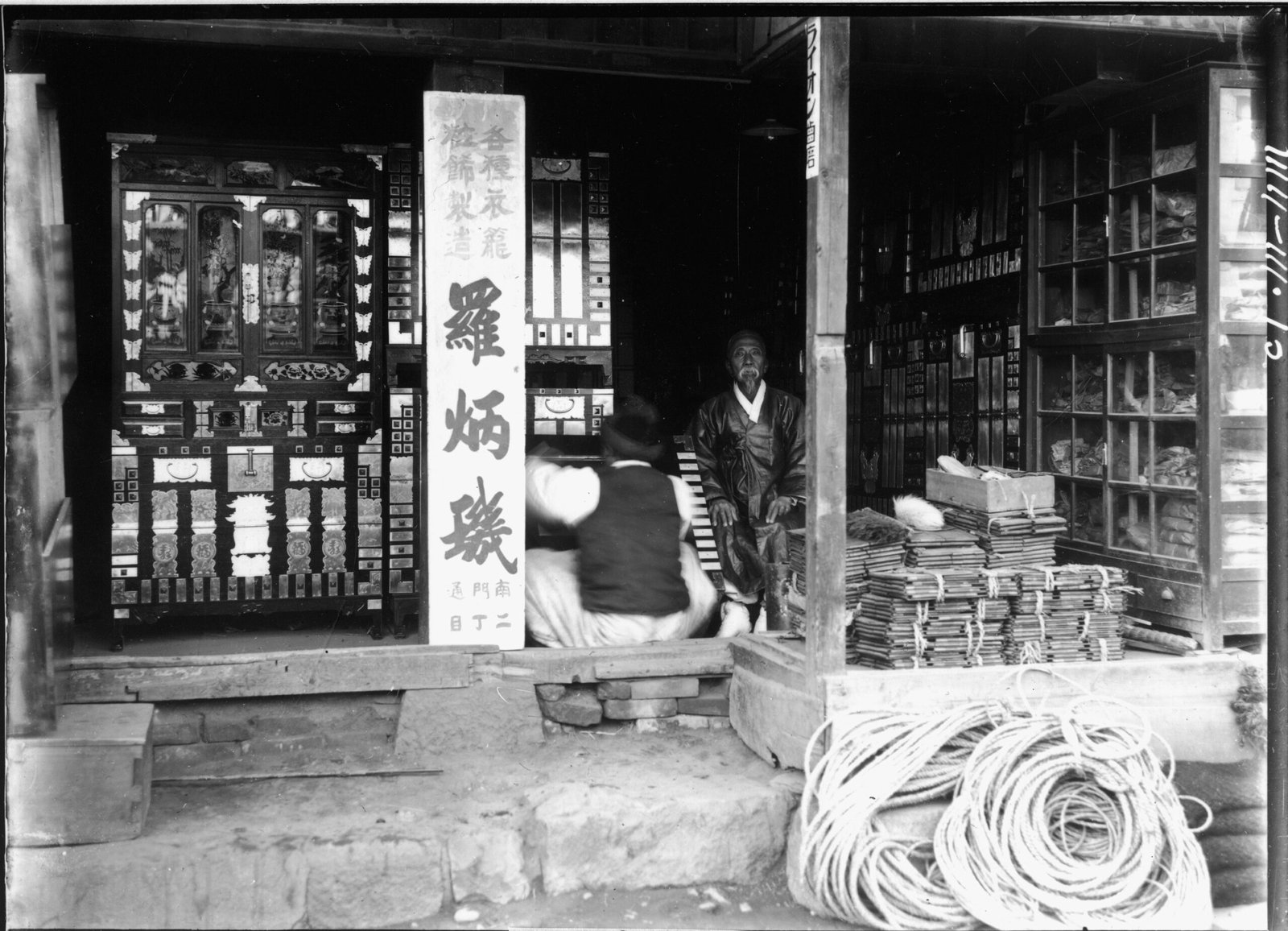
OLD PHOTOS, PAINTINGS AND DRAWINGS OF KOREAN FURNITURE. The study of the origins of traditional Korean furniture is complex due to the lack of proper documentation. Prior to the 19th century, paintings provide some information about the lifestyle of Koreans during the Joseon Dynasty. From the middle of the 19th century, photographs taken by explorers […]

WHEN DRAGON MEETS PHOENIX

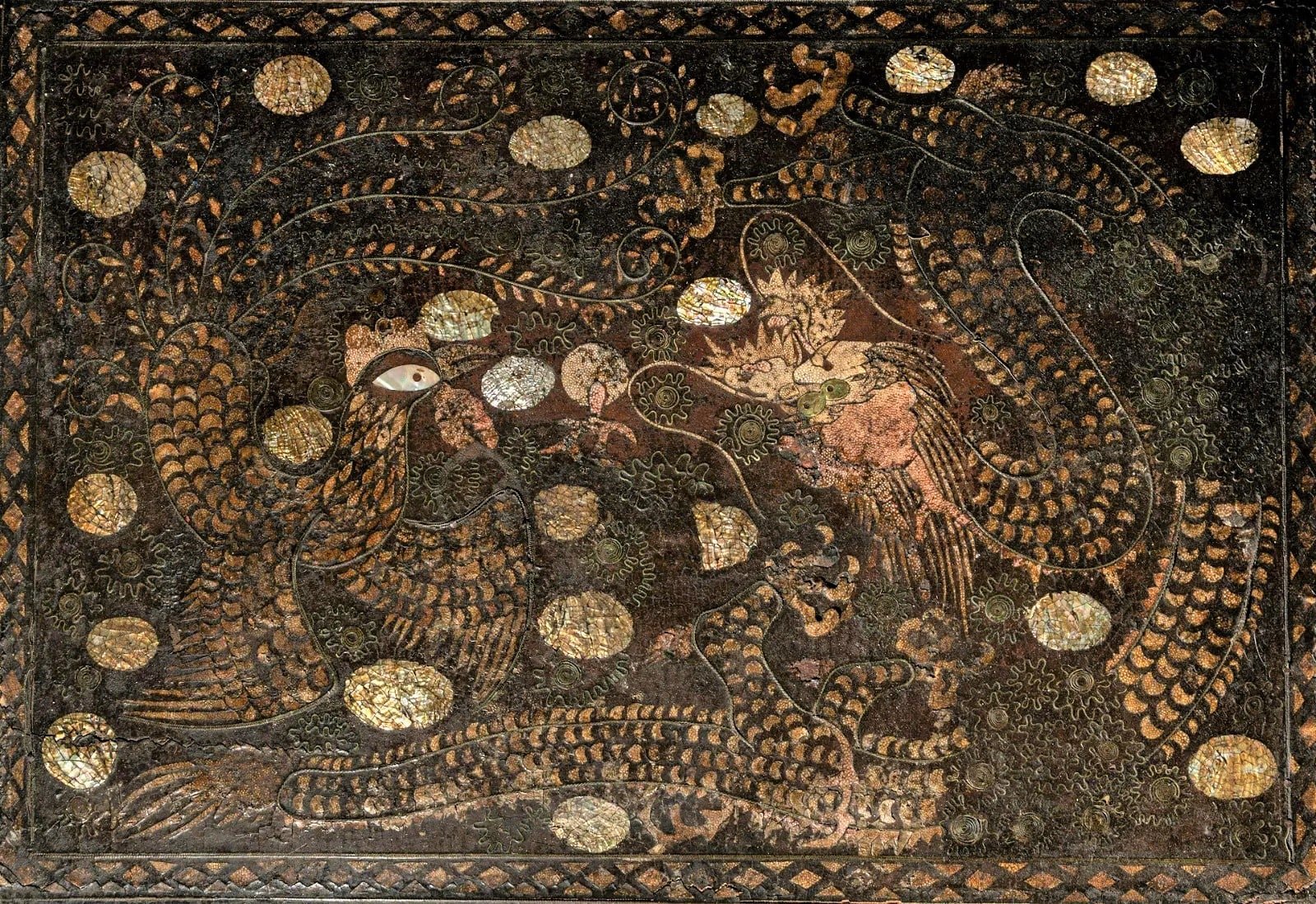
These two emblems were borrowed from Chinese mythology and are occasionally found in Korean art. Korean furniture is often adorned with auspicious motifs, frequently found on hinges or inlays made from materials such as mother of pearl, tortoiseshell, or shagreen. This design is less commonly carved into wood, as is the case with Chinese furniture. […]

THE FISH SHAPED LOCK.

Fish-shaped locks were among the most commonly found items in Korean homes. Just like the turtle, the fish symbolized protection, with their vigilant eyes always open. These fish-shaped locks would safeguard possessions while household members slept. Crafted from metal molds, these whimsically designed yellow brass locks were used to secure wardrobe armoires, wedding trousseau boxes, […]

MOTIFS OF DECORATION- THE BAT

The Chinese character for bat is pronounced the same as the character for good fortune (in Korean, “복” or “폭탄”). This similarity led to bat images being embroidered on pillow ends and incorporated into furniture designs and fittings as a symbol of good fortune. As bats were believed to live for a long time, their […]

THE PATH TO AFTERLIFE – or discovering Koreans through their furniture.

This post is the first in a series of articles related to a study of the Korean people through their arts, particularly their furniture. Most of the antique Korean furniture available today is known as “Joseon” furniture. The Joseon dynasty, also transcribed as Chosŏn or Chosun, in Korean: 대조선국, was the last dynastic kingdom of […]