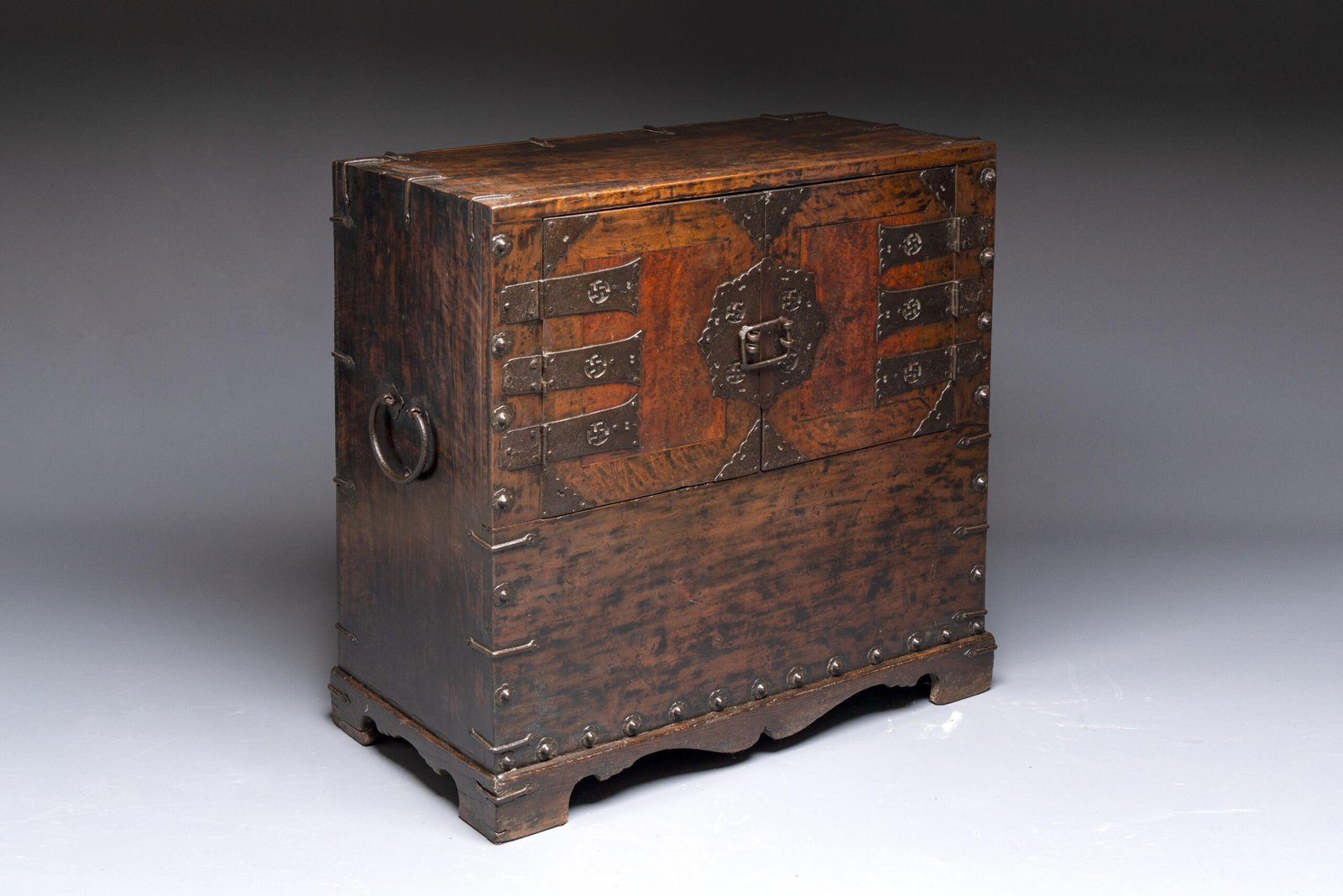
Traditional Korean Jeonju-jang wooden cabinet from Jeonju, North Jeolla Province, featuring dark iron fittings, a central locking plate, side carrying handle and raised wooden base.

JEONJU CABINET. 전주장

Jeonju-jang refers to wooden furniture made in Jeonju, North Jeolla Province, during the Joseon Dynasty and used by the middle-upper classes. It is valued as local cultural heritage for its distinctive shapes, metal ornaments, and multifunctional design tailored to users’ needs. Jeonju was a key residential center where landowners and yangban officials from the Honam […]
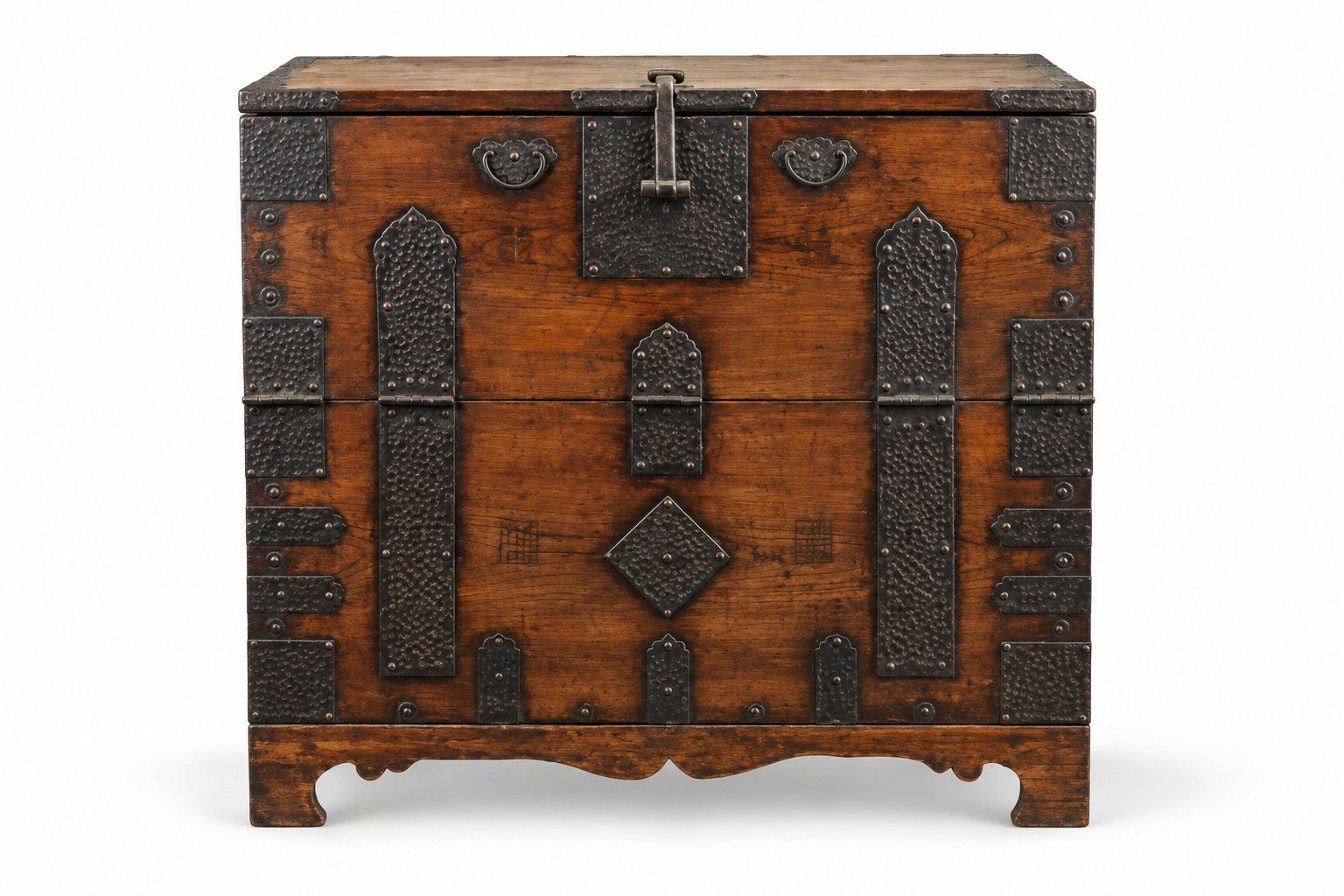
Traditional Korean Hwanghae-do bandaji chest with reddish-brown wooden panels, elongated iron hinges, geometric decorative plates, reinforced corners and a raised wooden base.

HWANGHAE DO BANDAJI – 황해도 반닫이

Hwanghae Do province was located in the northwest of Korea. The provincial capital was Haeju. The regional name for the province was Haeseo. In 1395, the province was organized as Punghae (풍해도; 豐海道; Punghae-do). In 1417, it was renamed Hwanghae. The name derived from the names of the two principal cities of Hwangju (황주; 黃州) and Haeju (해주; 海州). In 1945, Korea was divided into Soviet and American zones […]

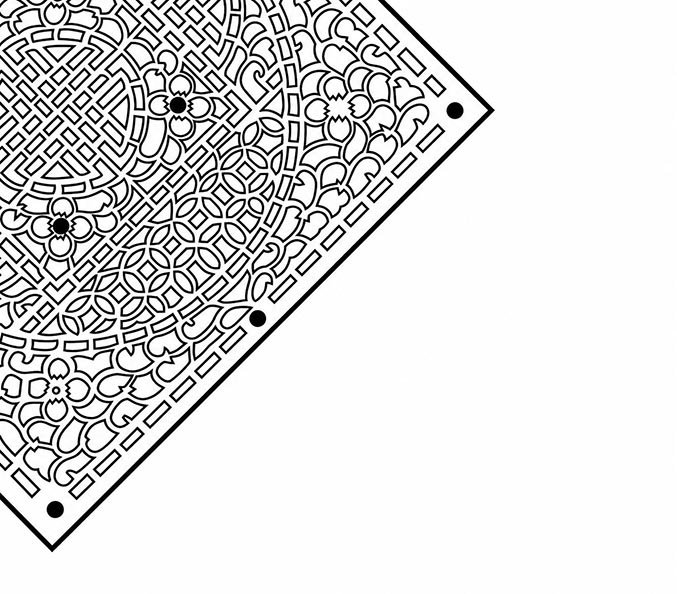
Traditional Korean Bandaji metalwork pattern showing a triangular iron fitting with pierced floral and geometric designs.

METALWORK PATTERNS ON BANDAJI

In another article, we discussed the topic of metal fittings on Korean furniture. METALWORK PATTERNS ON KOREAN FURNITURE. That initial analysis focused on their categorization across all types of furniture as well as their symbolism. In this new publication, we focus solely on the fittings found on the bandaji. Drawings courtesy of: Wooden furniture : Understanding […]

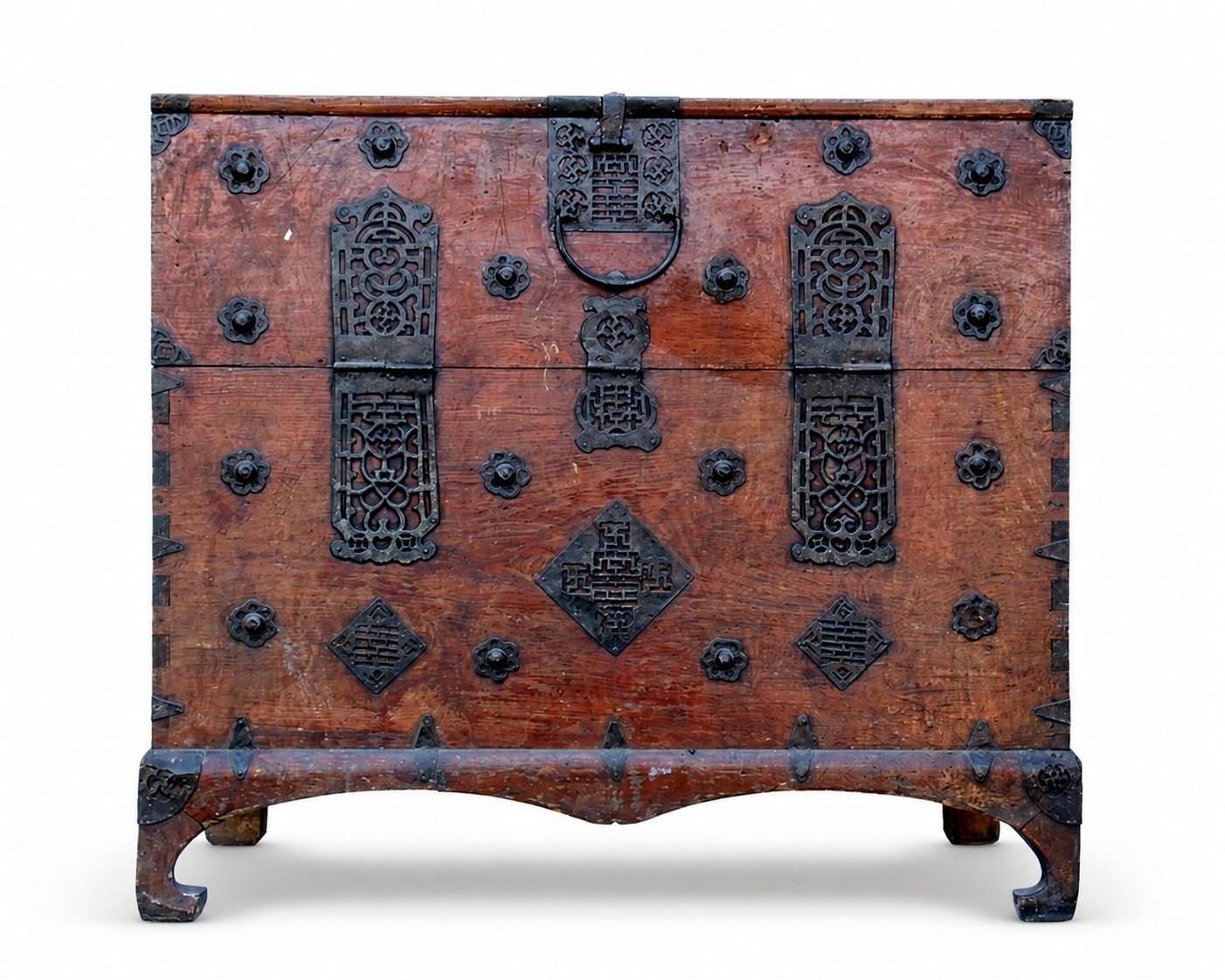
Traditional Korean Hamgyong-do bandaji chest with reddish wooden panels, elaborate pierced iron hinges, geometric metal ornaments, circular studs and raised legs.

HAMGYONG DO BANDAJI – 함경도 반닫이

Hamgyŏng Do province was bounded on the west by P’yŏngan Do province, on the south by Hwanghae Do and Gangwŏn Do provinces, on the east by the Sea of Japan, and on the north by China and the Russian Empire. It was one of the eight provinces of Korea during the Joseon dynasty and the provincial capital was Hamhung. Hamgyŏng-Do is the […]

Korean wooden cabinet with multiple compartments, small upper drawers, and decorative yellow brass fittings on a dark wood surface

KOREAN FURNITURE WITH MODIFIED DESIGNS.

Our exploration of the various collections housed in Korean furniture museums has enabled us to identify furniture with distinctive designs. Feature image: Described as a clothing chest. Period Japanese occupation, early 20th century.H. 121,5cm, W. 88cm, D. 39cm.Also called a Jeongju wardrobe, this chest is from Jeongju city, capital of North Jeolla province DOCUMENT & […]

CASE STUDIES.

In this chapter, we study furniture in depth in order to better estimate their precise origin and carry out accurate dating. “SUNG SUN I” BANDAJI. This piece of furniture, bought in China in the mid-90s, probably came from North Korea. In the late ’80s, many pieces circulated between North Korea and China via the northern […]

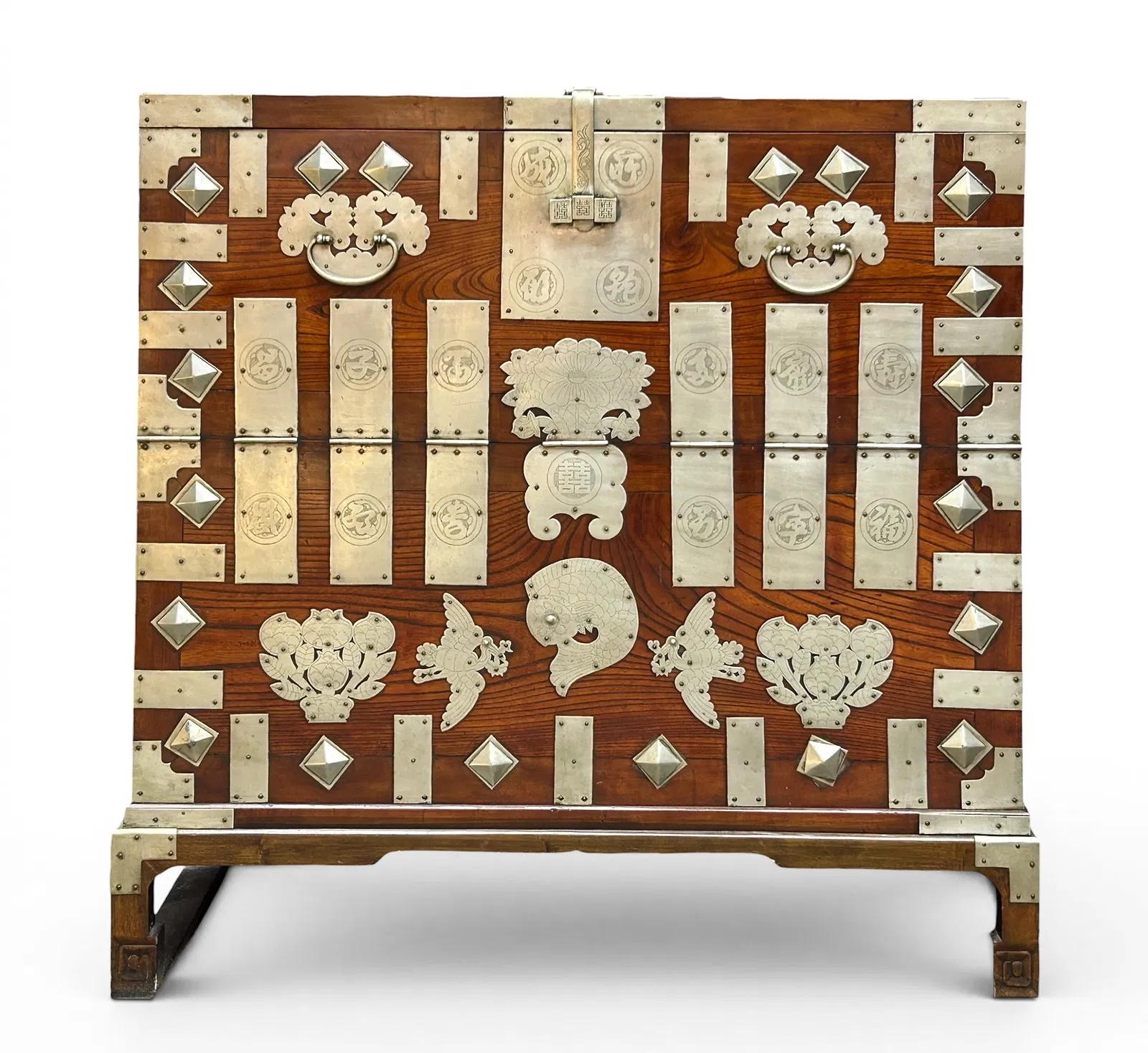
Traditional Korean Pyongyang bandaji chest with reddish-brown wooden panels, elaborate white brass fittings, engraved vertical hinges, floral ornaments and geometric decorative plates.

PYONGYANG BANDAJI-평양 반닫이

This type of furniture is commonly found in Pyongyang, the current capital city of North Korea. Pyongyang has been a center of economic and cultural influence since the Goryeo dynasty (918–1392). The climate in the area is characterized by very cold winters and hot, dry summers. They are quite easy to recognize due to their […]

GYEONGSANG DO BANDAJI- 경상도 반닫이

Gyeongsang Do  경상도, also known as Kyongsang-do, was one of the eight provinces of Korea during the Joseon dynasty. This province is located in the southeastern part of the peninsula, with its provincial capital now known as Daegu. The region holds historical significance as the birthplace of the Kingdom of Silla (57 BCE – 935 CE). Gyeongsang-do […]

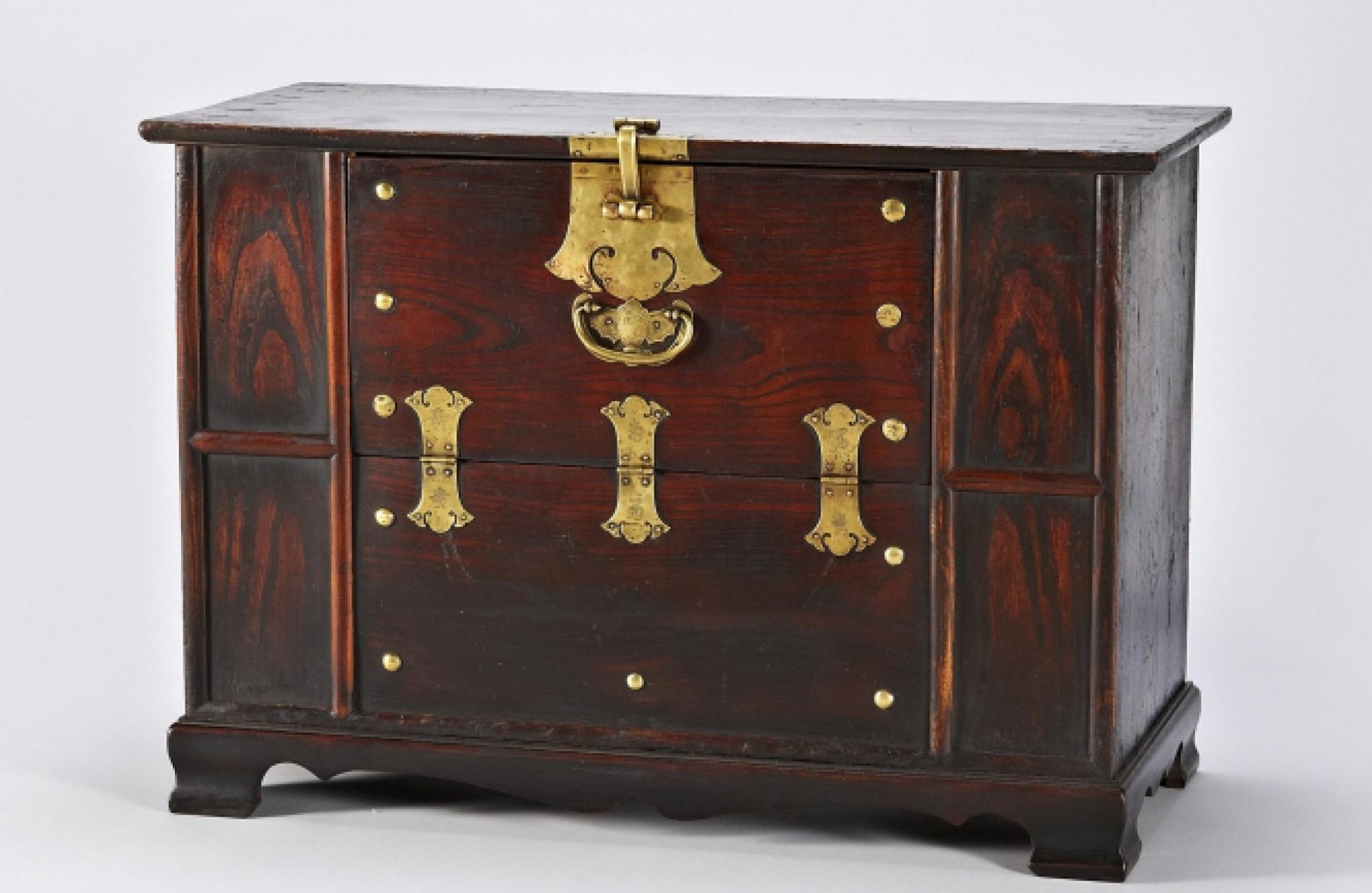
Traditional Korean Gyeonggi-do bandaji chest with dark reddish wood, brass locking plate, three decorative brass hinges and raised wooden base.

GYEONGGI DO BANDAJI – 경기도 반닫이

Featured image at the top of this post: Gyeonggi Do Bandaji from the National Museum of Korea. Gyeonggi Do province or Kyonggi Do, where the capital city of Seoul is located, lies in the northern western part of the peninsula. The north, south and eastern part of the province are covered by mountains. Bandaji chests, […]

Chungcheong-do Korean bandaji chest with reddish-brown wood, a central iron lock plate, two handles, and simple iron hinges.

CHUNGCHEONG DO BANDAJI – 충청도 반닫이

Located in the central western part of South Korea, Chungcheong Do was one of the eight provinces of Korea during the Joseon Dynasty.The name of the province derives from the name of the principal city of Cheongju. It lies between Gyeonggi Province in the north, Jeolla Province in the south, and Gyeongsan and Gangwon Provinces […]