WOOD SPECIES

Years later, I came to realize that my university studies in Geomorphology had greatly aided my comprehension of Korean furniture in terms of the materials employed in its construction. During my initial visit to Korea in the mid-1980s, I was struck by the deep reverence Koreans held for wood. An examination of the country’s geography […]

METALWORK PATTERNS ON KOREAN BANDAJI

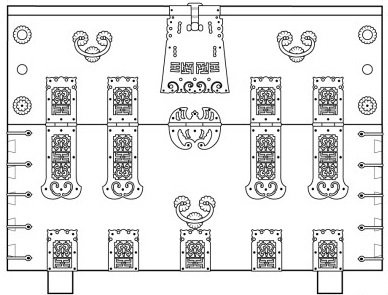
In another article, we discussed the topic of metal fittings on Korean furniture. METALWORK PATTERNS ON KOREAN FURNITURE. That initial analysis focused on their categorization across all types of furniture as well as their symbolism. In this new publication, we focus solely on the fittings found on the bandaji. Drawings courtesy of: Wooden furniture : Understanding […]

REVIEW. KOREAN ANTIQUE FURNITURE AUCTIONS IN 2024

AUCTIONS IN THE WEST. This study is based on the examination of approximately 300 Korean pieces presented at various auctions around the world. We deliberately excluded furniture considered contemporary as well as those we classified as reproductions or items made for the decorative market. The first part focuses on sales by various establishments, primarily based […]

SMALL WOODEN ACCESSORIES & TOOLS.

TONGGAGBAN – 통각반: Round tray-tables. Tonggagban also called Jegi 제기 (祭器) refers to a variety of vessels and tools used in ancestral rites. These items can be made from various materials, including wood, porcelain, and brass. In shrines, ceremonial vessels made of porcelain or brass were mainly used. Wooden jegi were commonly used in graveyards […]

KOREAN COLLECTION IN AUSTRALIA

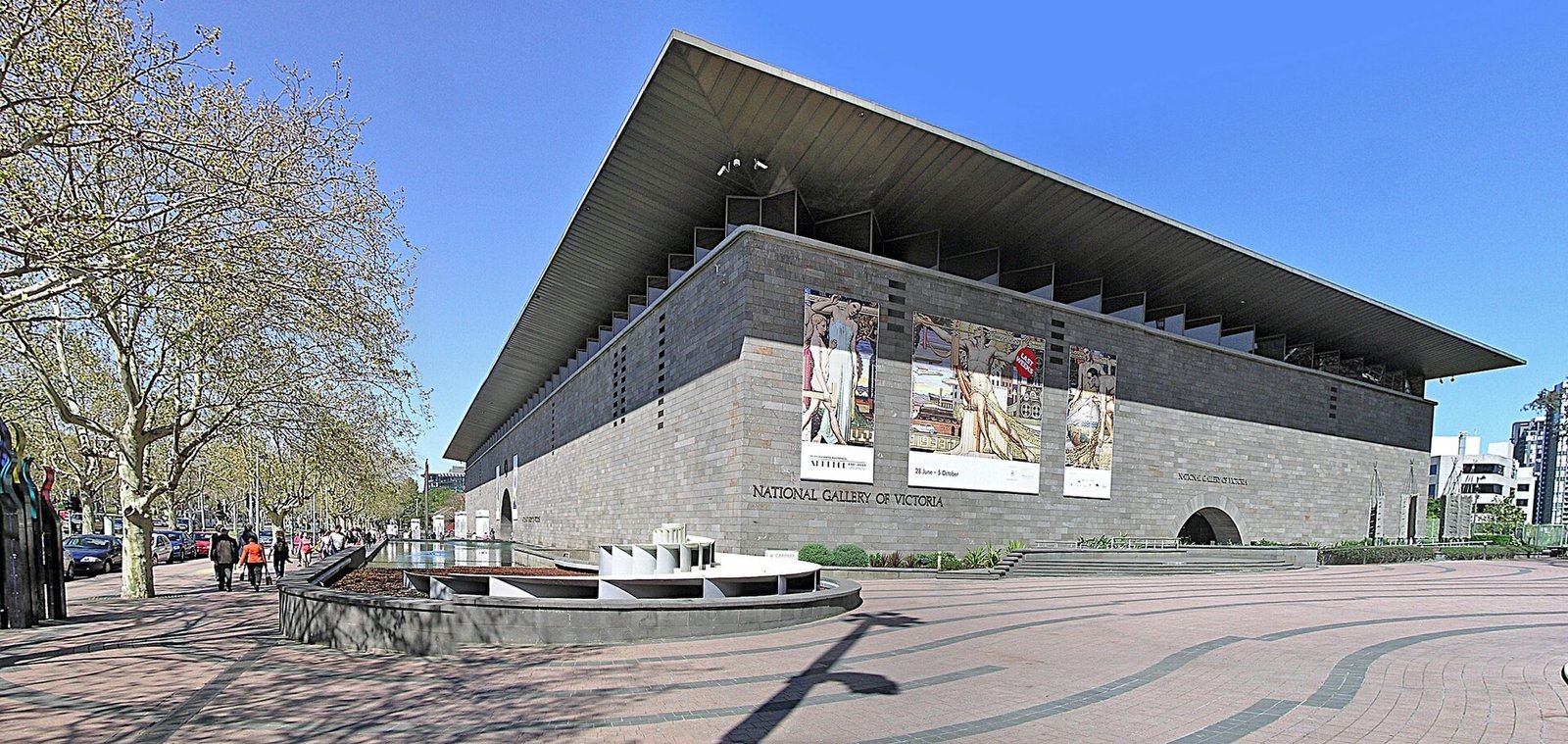
NGV. National Gallery Of Victoria. Melbourne, Australia. LINK: Spotlight on the NGV Collection | Korean Art

SOME TIPS FOR IMPROVING THE REGIONAL IDENTIFICATION OF BANDAJI.

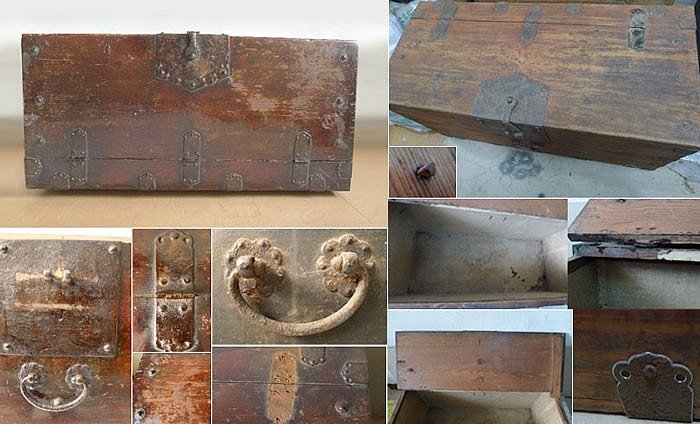
ANALYSIS OF HINGES. QUESTION? The bandaji is large and mostly covered with white brass hinges? ANSWER: Pyongyang area southern part of Pyongan Do province. LINK: PYONGYANG BANDAJI-평양 반닫이 Originally from Pyongyang area in the northern part of the peninsula, where forest species were more limited due to climatic conditions and, given the poor grain (often […]

KOREAN SYMBOLISM & PATTERNS MEANINGS

PATTERNS SYMBOLISM IN KOREAN ART. In a previous publication METALWORK PATTERNS ON KOREAN FURNITURE, we listed the various decorative motifs on the hinges of Korean furniture. Below, we examine their meanings. Korean furniture, such as bandaji (storage chests), jang (wardrobes), mungap (stationery chests), and ham (boxes or cases), is often decorated with symbolic patterns that […]

HAMGYONG DO BANDAJI – 함경도 반닫이

Hamgyŏng Do province was bounded on the west by P’yŏngan Do province, on the south by Hwanghae Do and Gangwŏn Do provinces, on the east by the Sea of Japan, and on the north by China and the Russian Empire. It was one of the eight provinces of Korea during the Joseon dynasty and the provincial capital was Hamhung. Hamgyŏng-Do is the […]