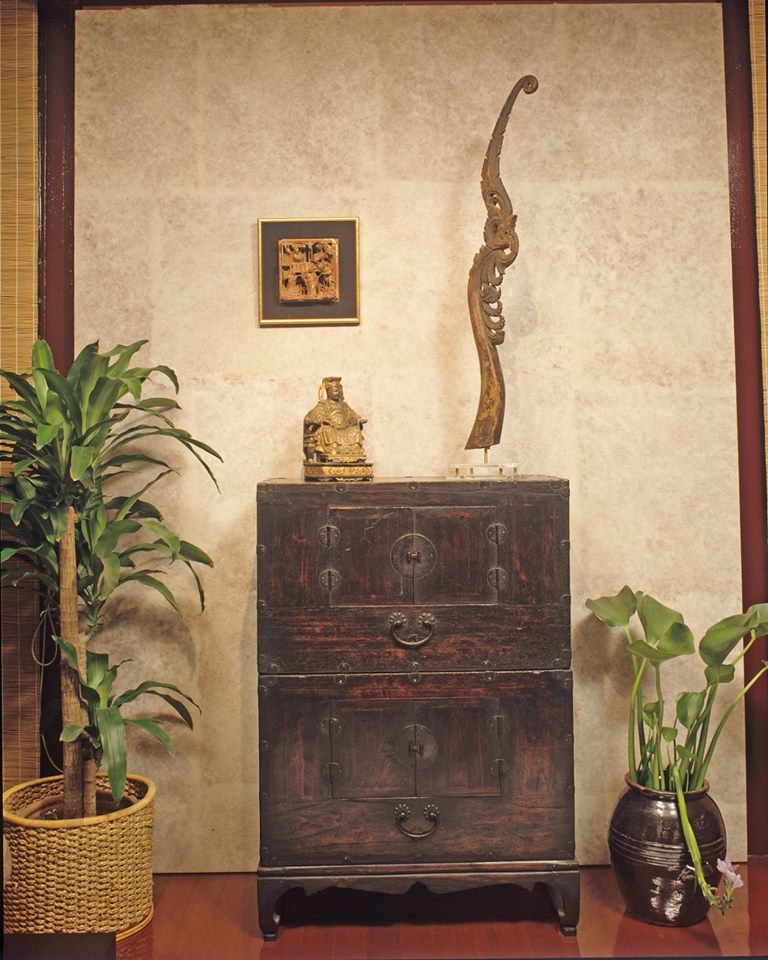
NONG – 이층농

Nong- 이층농 in Korean is used to define a stackable clothing chest. The name has been used since the Goryeo Dynasty. Nong originally did not have legs, but later on, a leg part, called madae (馬臺), was attached to it. In the beginning, Korean furniture tended to be small, light, and plain, with minimal decoration […]
KOREAN FURNITURE IDENTIFICATION.

If you wish to know more about your items, and want us to examine your pictures and give you more detailed information about your item origin, or if your item is real antique or not, Do not hesitate to contact us by email at: tortuebangkok@gmail.com. Send us photos to assist in identifying your pieces. Precise […]

AUCTIONS IN KOREA – 2025

K AUCTION. 23 Eonju-ro 172-gil, Gangnam-gu, Seoul, South Korea. SEOUL AUCTION. Jong-Ro No. 01-2173 11, Pyeongchang 31-gil, Jongno-gu, Seoul, Korea Email : info@seoulauction.com KAN-OGSYEON AUCTION. Jongno-gu, Insadong 4-gil, Seoul, Korea. MYART AUCTION Co., Ltd. 5th, 6th, B1 floor, Chunghoon Building, 62-5 Insa-dong-gil, Jongno-gu, Seoul.

REFERENCES & EXTERNAL LINKS

The majority of books and studies on antique Korean furniture have been published in the Korean language, with only a few available in English. EXTERNAL LINKS. KOREAN HISTORY. Society of Joseon. KOREAN FURNITURE. Korean wooden crafts. https://www.nfm.go.kr/_Upload/BALGANBOOK/391/04.pdf Joseon Home and the Wooden Furniture. Written by Hwang Ji-hyun, Curator of the Fine Arts Department. Gyeongsang-Do Bandaji. […]

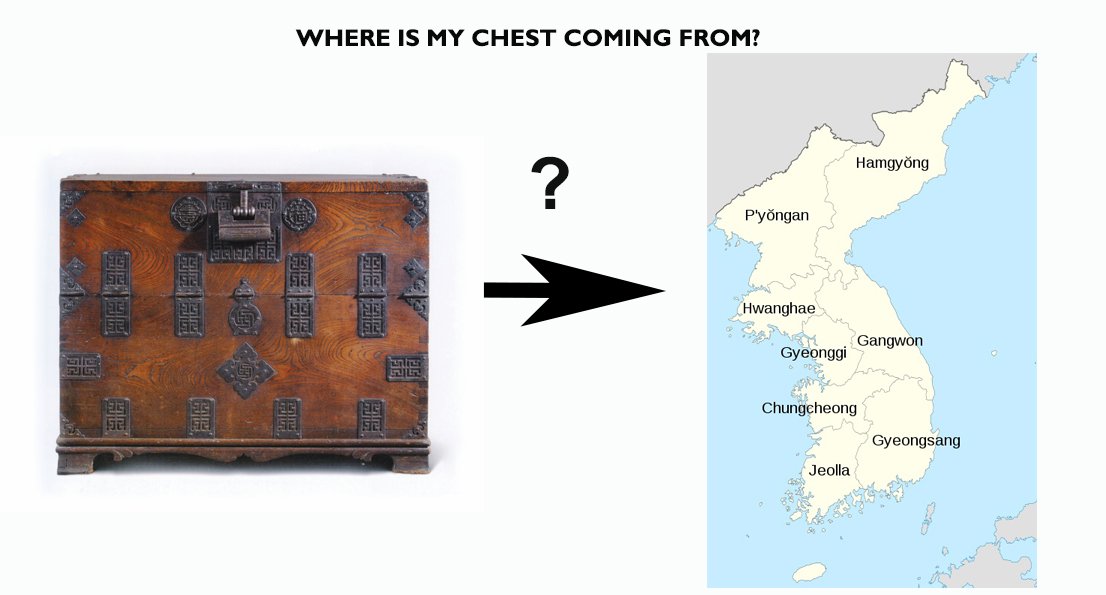
SOME TIPS FOR IMPROVING THE REGIONAL IDENTIFICATION OF BANDAJI.

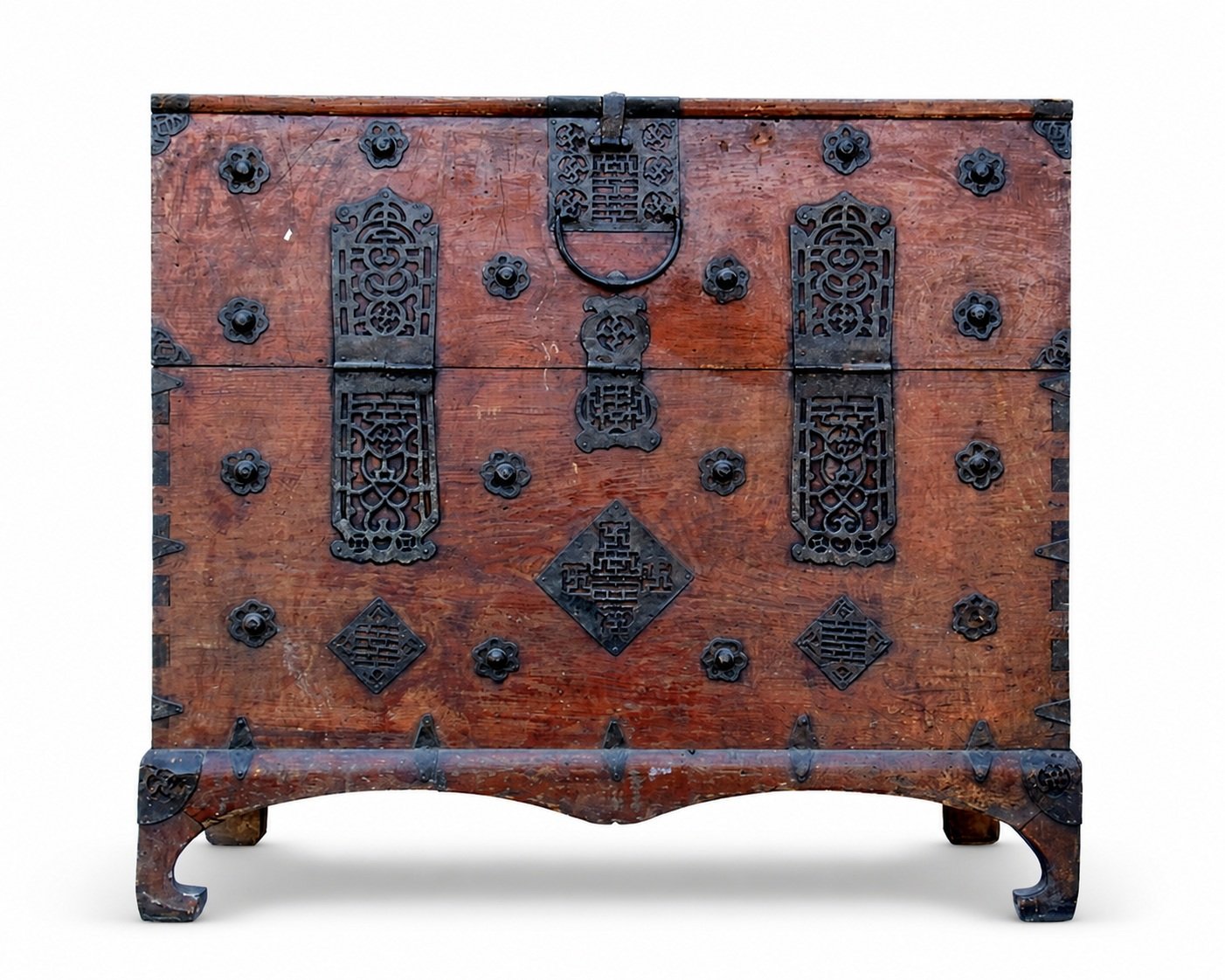
ANALYSIS OF HINGES. QUESTION? The bandaji is large and mostly covered with white brass hinges? ANSWER: Pyongyang area southern part of Pyongan Do province. LINK: PYONGYANG BANDAJI-평양 반닫이 Originally from Pyongyang area in the northern part of the peninsula, where forest species were more limited due to climatic conditions and, given the poor grain (often […]

KOREAN SYMBOLISM & PATTERNS MEANINGS

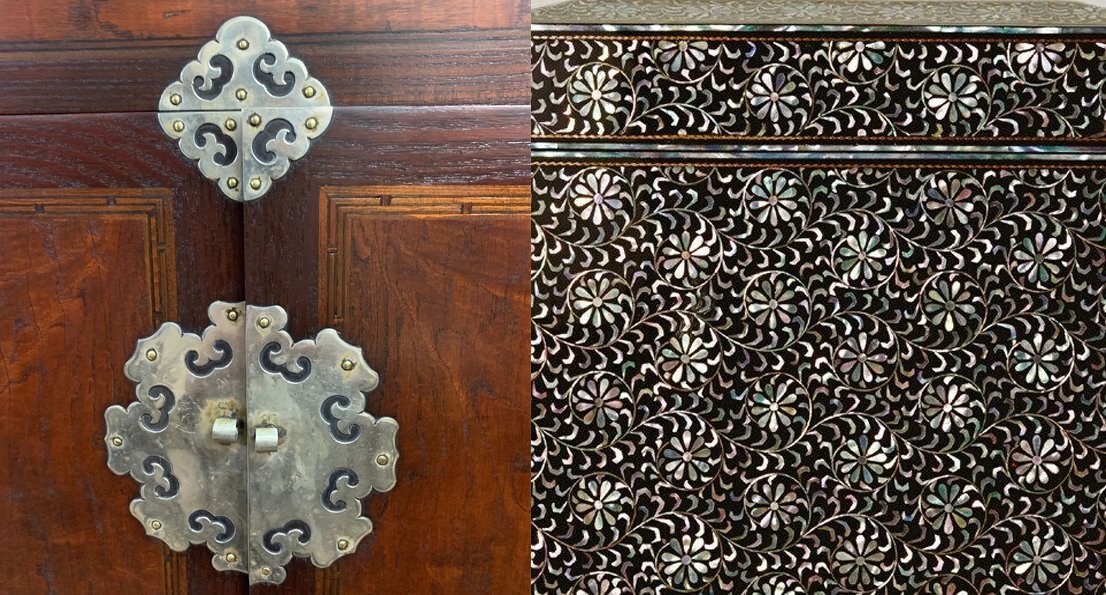
PATTERNS SYMBOLISM IN KOREAN ART. In a previous publication METALWORK PATTERNS ON KOREAN FURNITURE, we listed the various decorative motifs on the hinges of Korean furniture. Below, we examine their meanings. Korean furniture, such as bandaji (storage chests), jang (wardrobes), mungap (stationery chests), and ham (boxes or cases), is often decorated with symbolic patterns that […]