THE POST JOSEON ERA.

The post-Joseon era in Korea began in 1897 and encompasses the period following the Joseon dynasty (1392–1897), including the Korean Empire, Japanese colonial rule, and the division into North and South Korea. It is marked by a period of rapid modernization, intense external pressures, and national upheaval. Key periods following the Joseon dynasty The Korean Empire (1897–1910) Following […]

THE USE OF PAPER ON KOREAN FURNITURE.

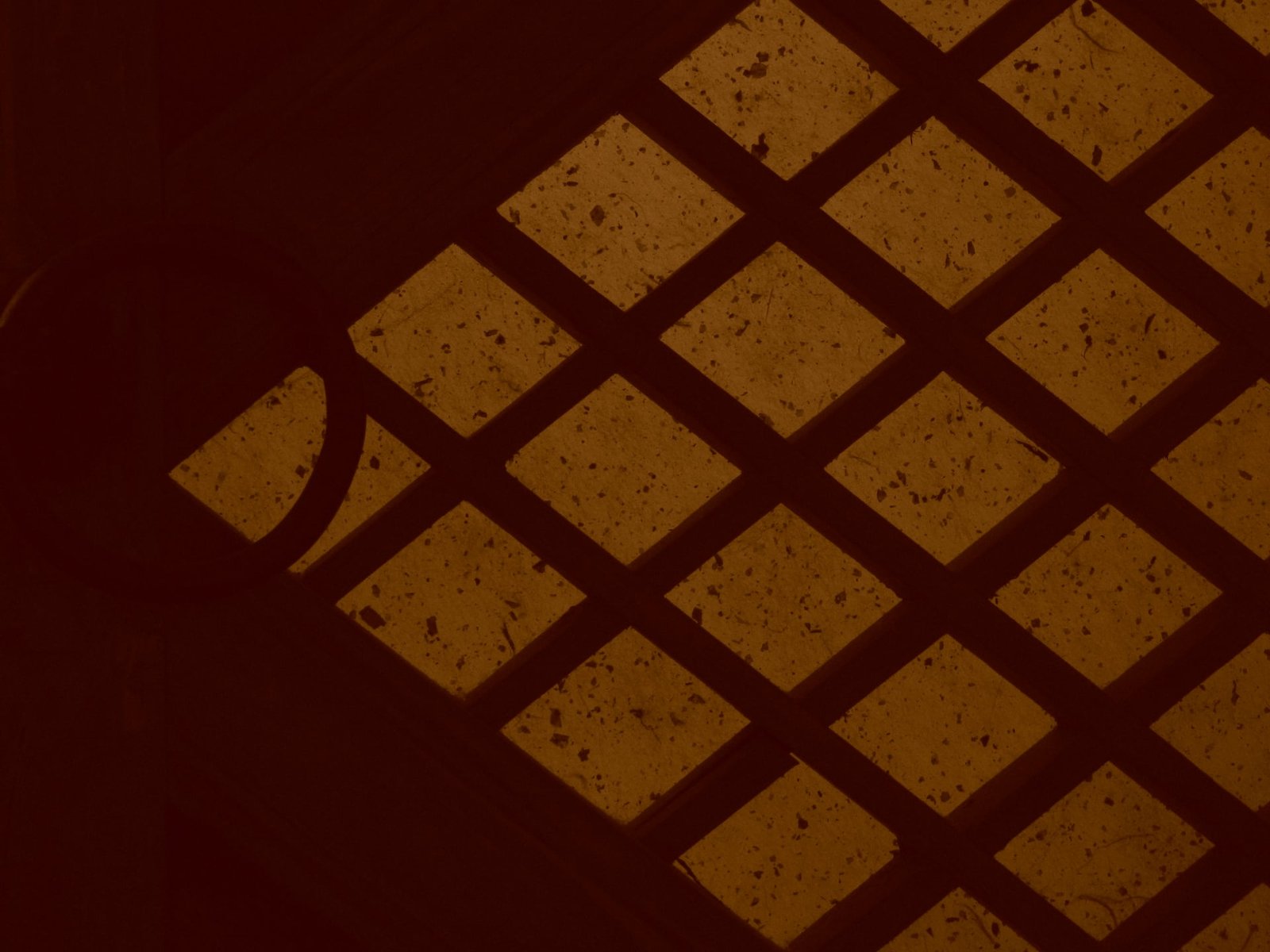
Hanji (Korean: 한지/韓紙) is the traditional handmade paper from Korea. It is made from the inner bark of the mulberry tree or Hibiscus Namihot (also known by its current scientific name, Abelmoschus manihot) both native to Korea, which helps suspend the individual fibers in water. Despite being paper, Hanji is extremely tough, waterproof, and versatile. Because […]

HWAGAK.

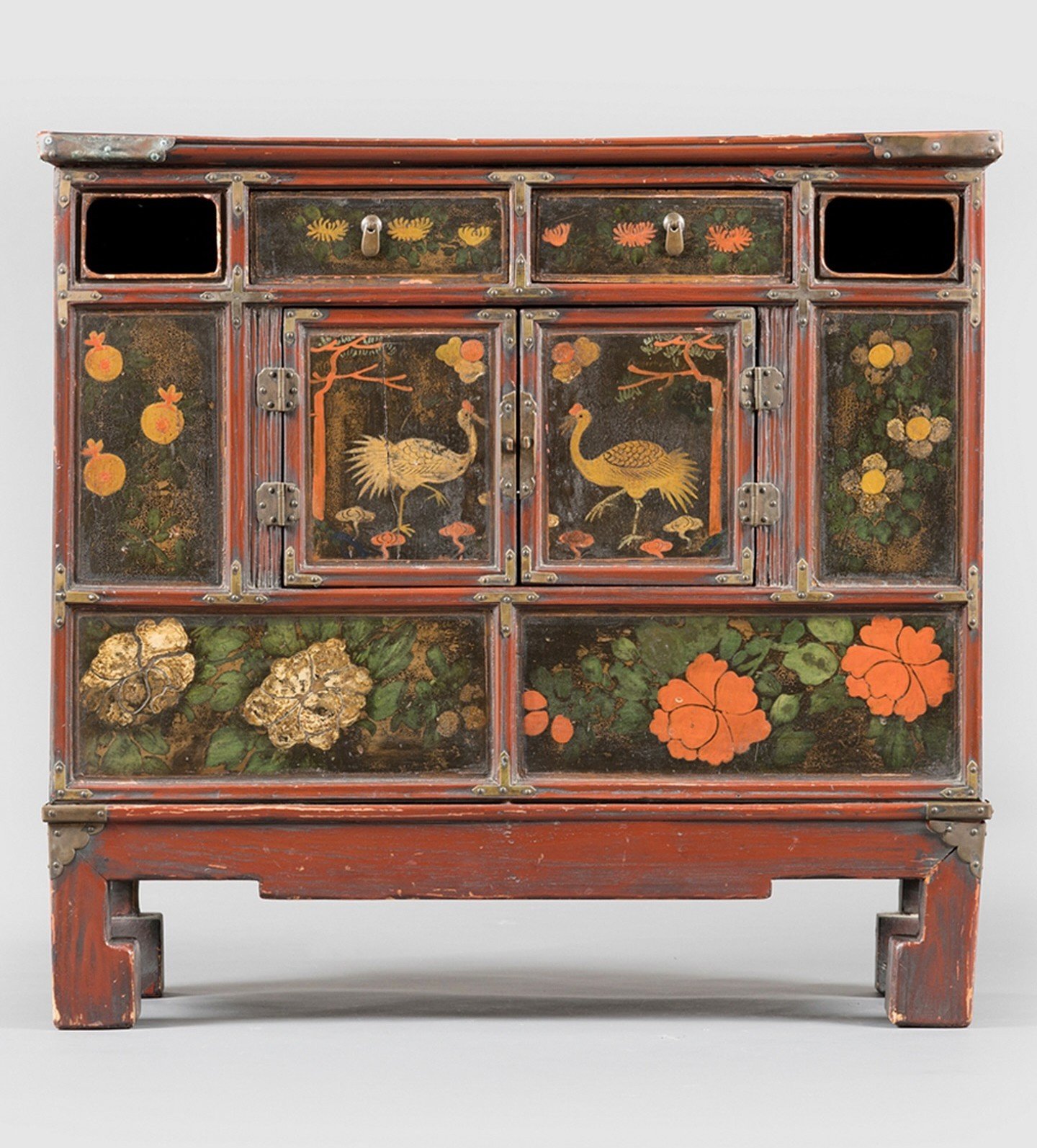
Featured image on top of this post: Box with design of auspicious symbols, early 20th century.Ink and paint on ox horn panels on wood, ray skin, and metal.DETROIT INSTITUTE OF ART MUSEUM, USA The term “hwagak” is derived from the words for flowers and horns, and it specifically pertains to the craft of inlaying ox […]

MOTHER-OF-PEARL. Differences of decorative techniques between the Goryeo and the Joseon dynasties in Korea.

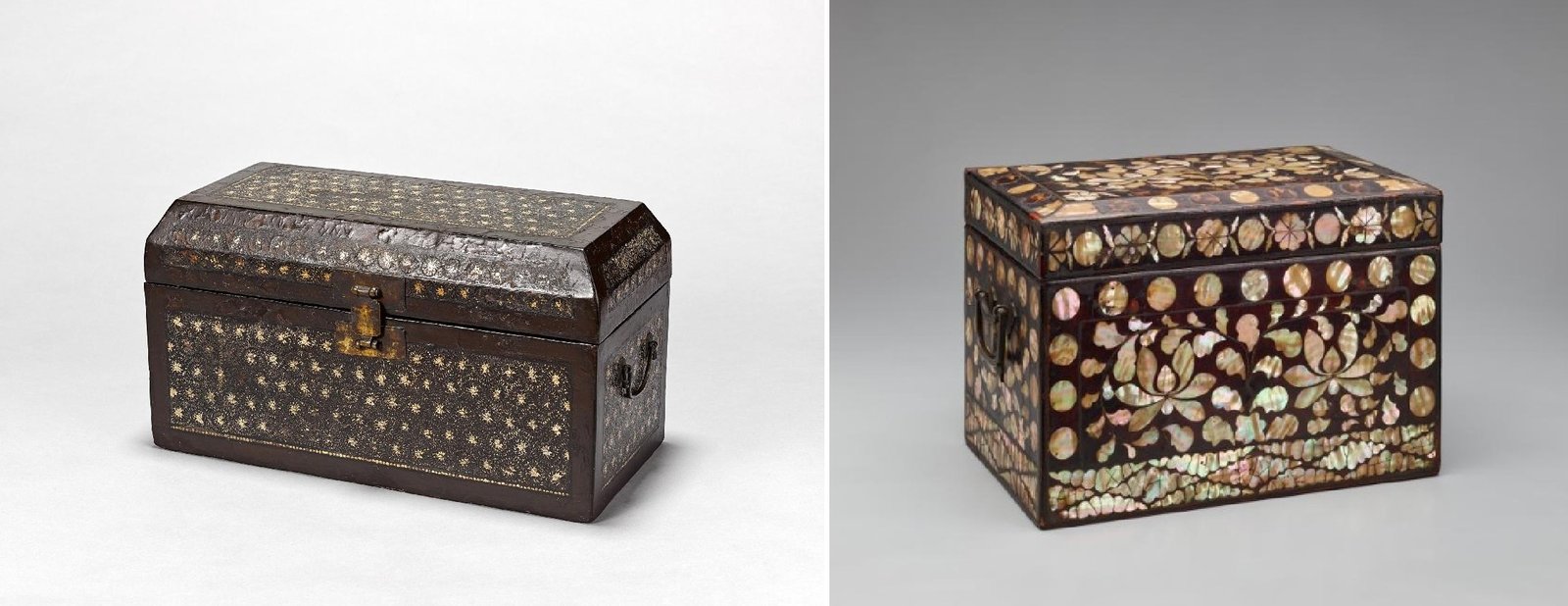
Korean lacquer has already been the subject of publications on this site. You can consult them at the following links: In this new article, we attempt to explore the main differences between the techniques and decorative motifs used during the Goryeo and Joseon dynasties. Here are some famous mother-of-pearl inlay (Najeonchilgi) artifacts from the Goryeo […]

KOREA AT THE END OF THE 19TH CENTURY. Testimonies of the first foreign visitors.

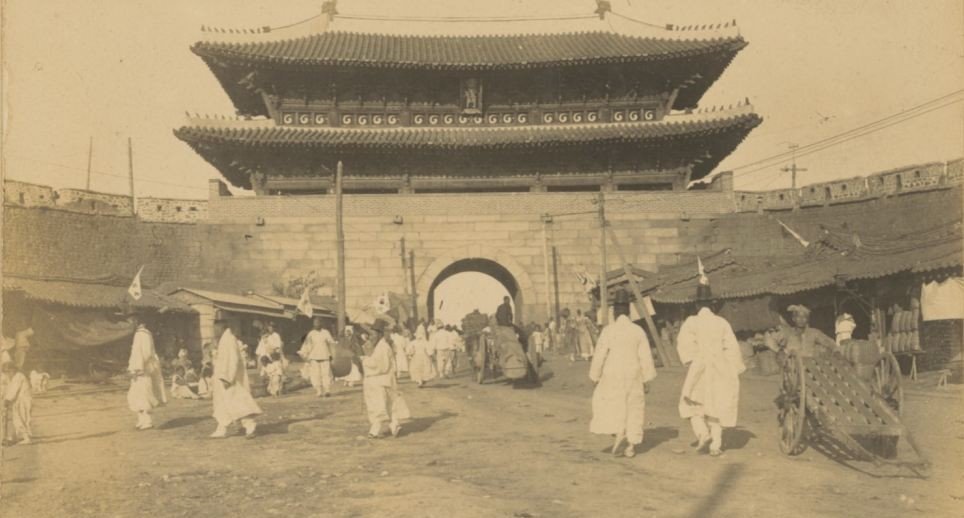
Featured photo: The historic 24-hour “Namdaemun” market is located next to this 14th century gate, one of eight surrounding Seoul. At the end of the 19th century, Korea began to open up to the outside world after centuries of isolation. One of the earliest groups of foreigners to visit Korea during this period were diplomats, […]

REVIVING HERITAGE. Techniques and impact of 20th century Korean furniture restoration.

PIECES AVAILABLE ON THE MARKET SINCE THE LATE 19th CENTURY. The taste of Westerners. The attraction of Westerners to ancient Korean furniture began at the end of the 19th century and the beginning of the 20th century during the first visits of foreign envoys to a country that had been isolated and completely closed to […]

METALWORK PATTERNS ON KOREAN BANDAJI

In another article, we discussed the topic of metal fittings on Korean furniture. METALWORK PATTERNS ON KOREAN FURNITURE. That initial analysis focused on their categorization across all types of furniture as well as their symbolism. In this new publication, we focus solely on the fittings found on the bandaji. Drawings courtesy of: Wooden furniture : Understanding […]

KOREAN SYMBOLISM & PATTERNS MEANINGS

PATTERNS SYMBOLISM IN KOREAN ART. In a previous publication METALWORK PATTERNS ON KOREAN FURNITURE, we listed the various decorative motifs on the hinges of Korean furniture. Below, we examine their meanings. Korean furniture, such as bandaji (storage chests), jang (wardrobes), mungap (stationery chests), and ham (boxes or cases), is often decorated with symbolic patterns that […]

EVOLUTION OF FURNITURE SHAPES DURING THE LATE JOSEON DYNASTY.

Analyzing the evolution of Korean furniture shapes during the Joseon dynasty is no easy task, given the lack of documentation and pieces available today.However, the study of a large number of photos from various Korean museums allows us to make the following observations:In Asia, in general, and unlike European furniture, emperors did not impose new […]

THE FURNITURE LOCK.

When you buy antique Korean furniture, it’s rare for it to come with a padlock. In fact, padlocks have either disappeared, or if they were of good quality, they were sold separately to enthusiasts. In the book “Korean Style,” which focuses on the interiors of Korean homes, a fine collection of padlocks is presented From […]