The beoseonjang is a small, vertically structured storage cabinet traditionally placed in the inner quarters (anbang) of a Joseon household, particularly in the master bedroom or a guest room. Used for storing beoseon (traditional Korean socks), sewing patterns, and embroidery implements, it reflects the gendered organization of domestic space under Neo-Confucian principles.
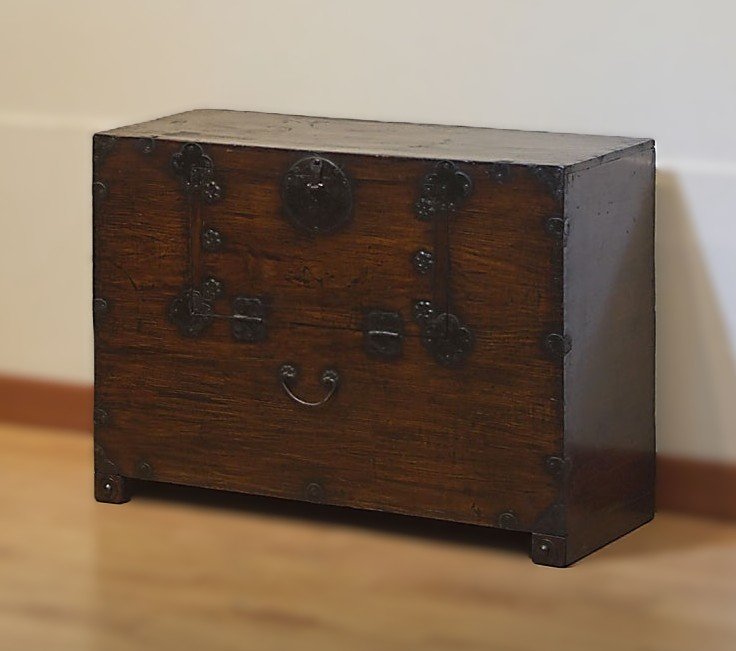
According to the National Folk Museum of Korea, the cabinet was frequently positioned at the head of the bed, leading to the alternative designation “head cabinet” (morijang). Its compact scale and tiered construction distinguish it from larger storage forms such as the jang (wardrobe) and the horizontally oriented bandaji (blanket chest). Unlike the bandaji, which opens from the front and emphasizes breadth and grounded mass, the beoseonjang adopts a more vertical profile, aligning visually with other narrow, stacked storage forms used in women’s quarters.
Materially, beoseonjang were often constructed of ash, pine or paulownia. While some examples are restrained in accordance with the austere Confucian aesthetic associated with the literati class, others display carved ornament or subtle surface decoration, suggesting regional variation and differing social contexts. The degree of ornamentation could reflect the status of the household or the symbolic importance of the cabinet’s contents.
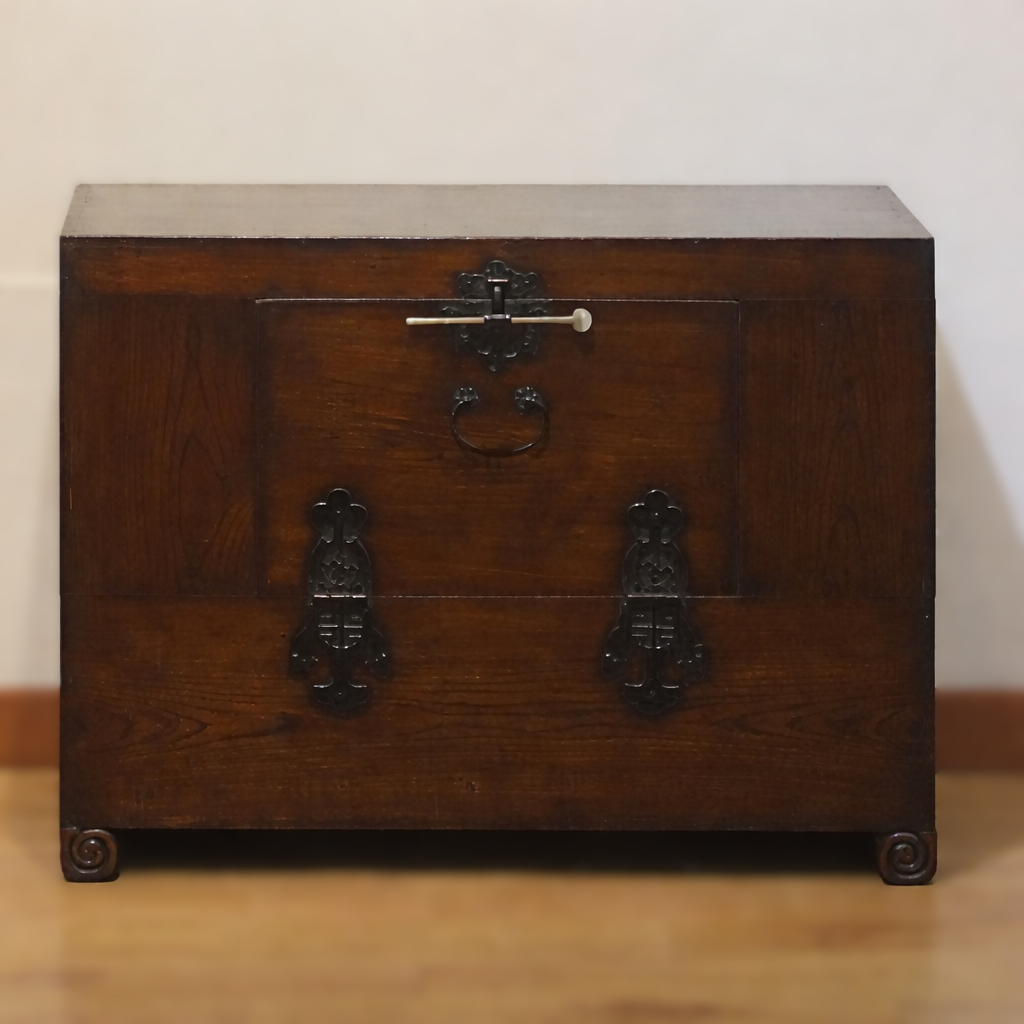
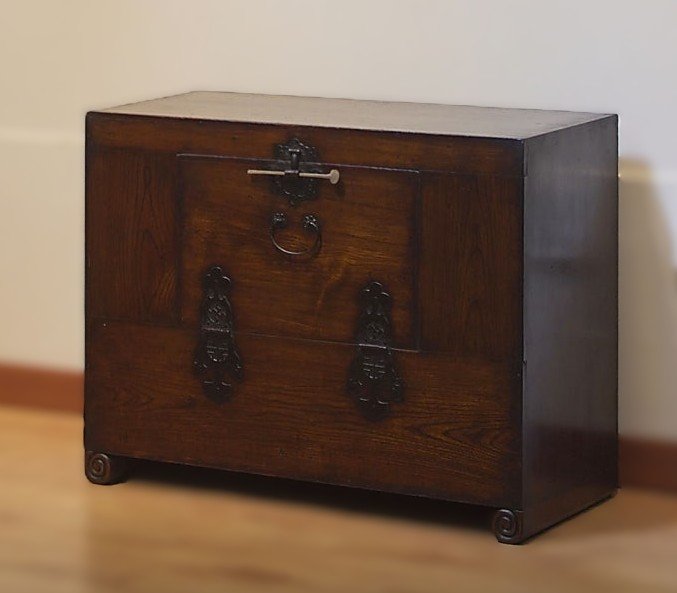
Beyond its practical function, the object carries layered symbolic meaning. Beoseon were traditionally associated with wishes for longevity and health, and finely made examples were included in bridal dowries. In this sense, the beoseonjang was not merely utilitarian furniture but part of a broader material culture surrounding marriage, virtue, and feminine accomplishment within Joseon society.
Within the architectural logic of the hanok, where furniture was relatively sparse and movable, the beoseonjang contributed to the vertical articulation of interior space. Its placement near the bedding area underscores its integration into daily life and ritualized domestic order, reinforcing Confucian ideals of hierarchy, propriety, and gendered roles within the household.
THE DIFFERENT DESIGNS.
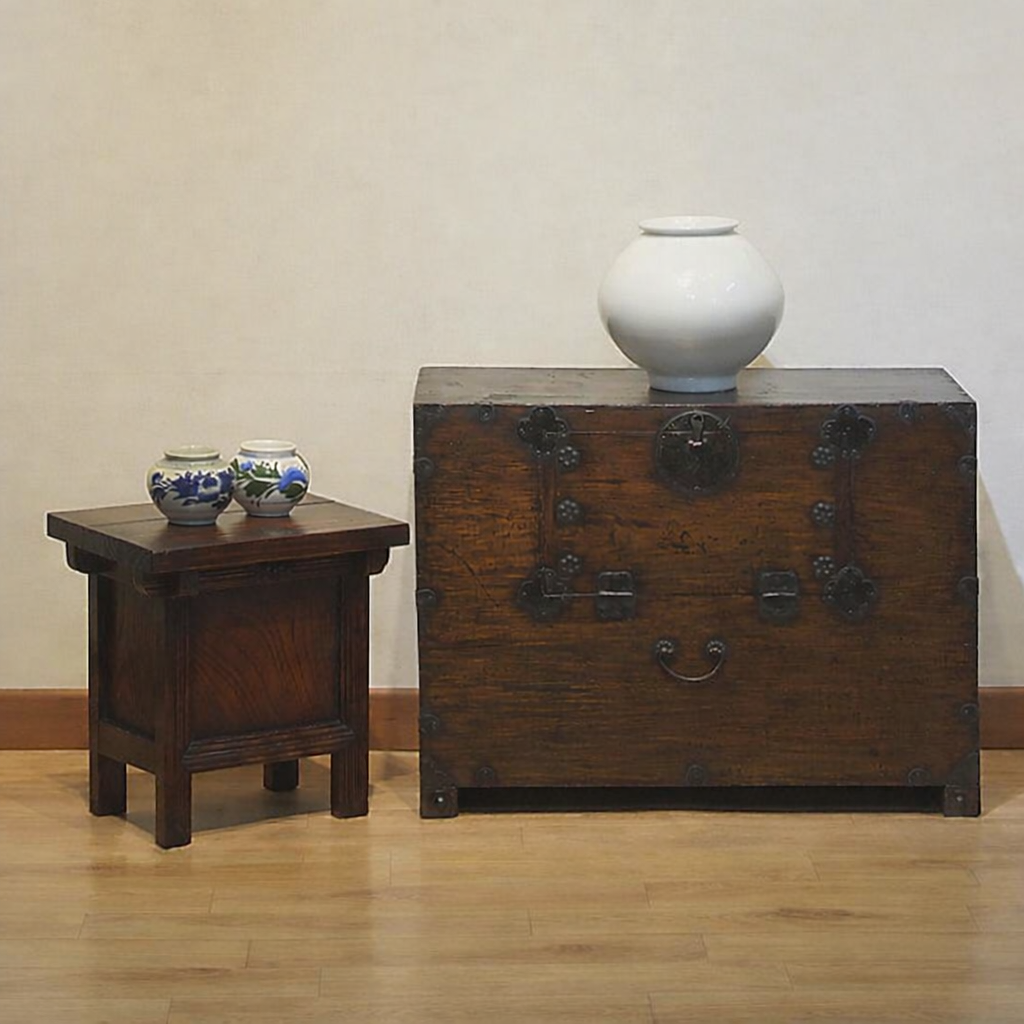
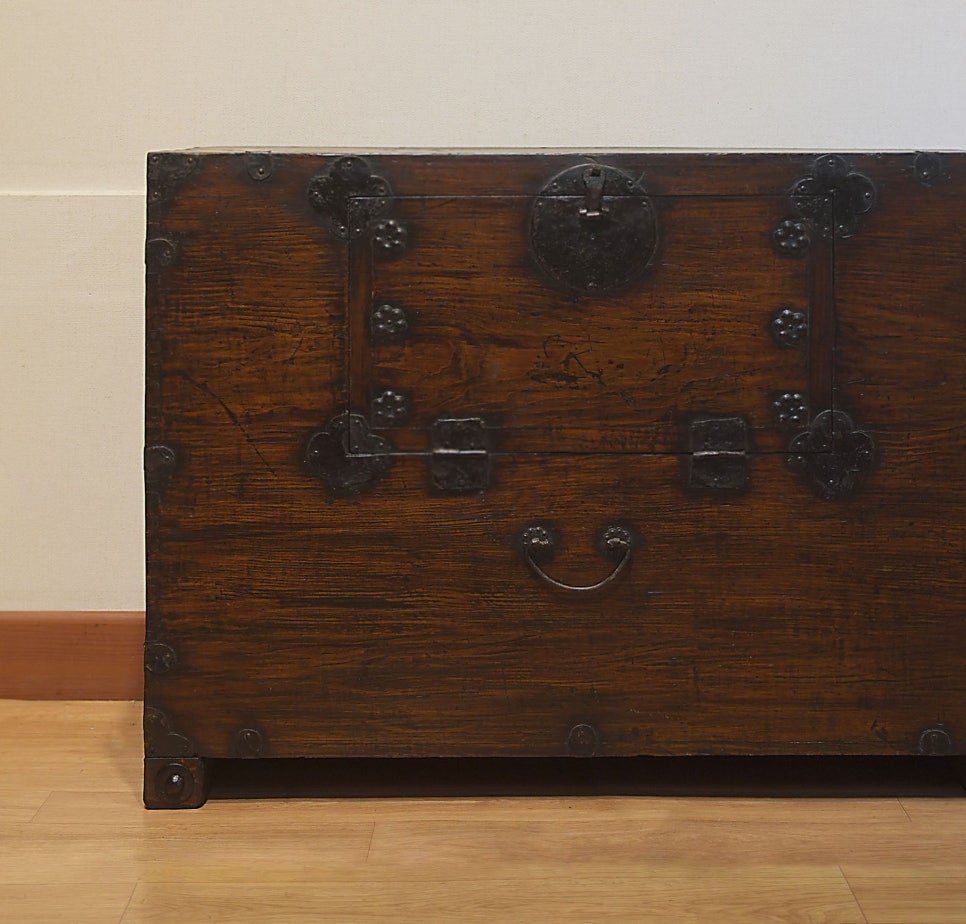
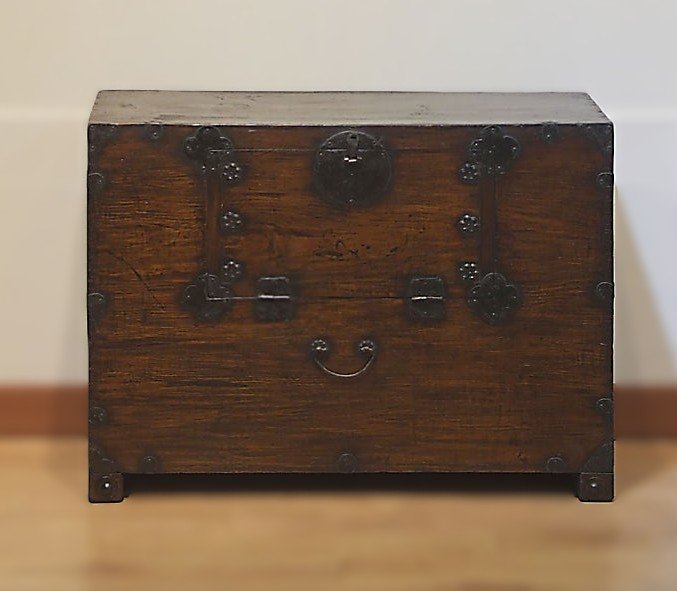
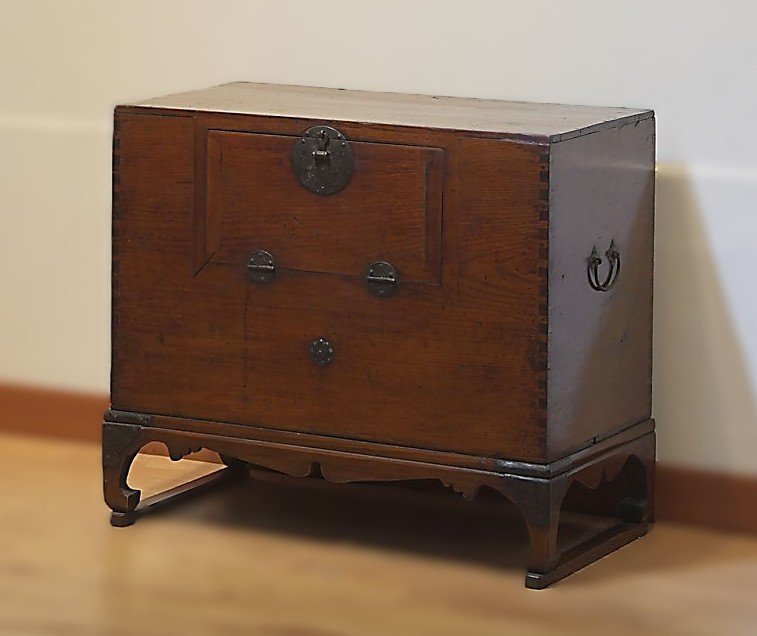
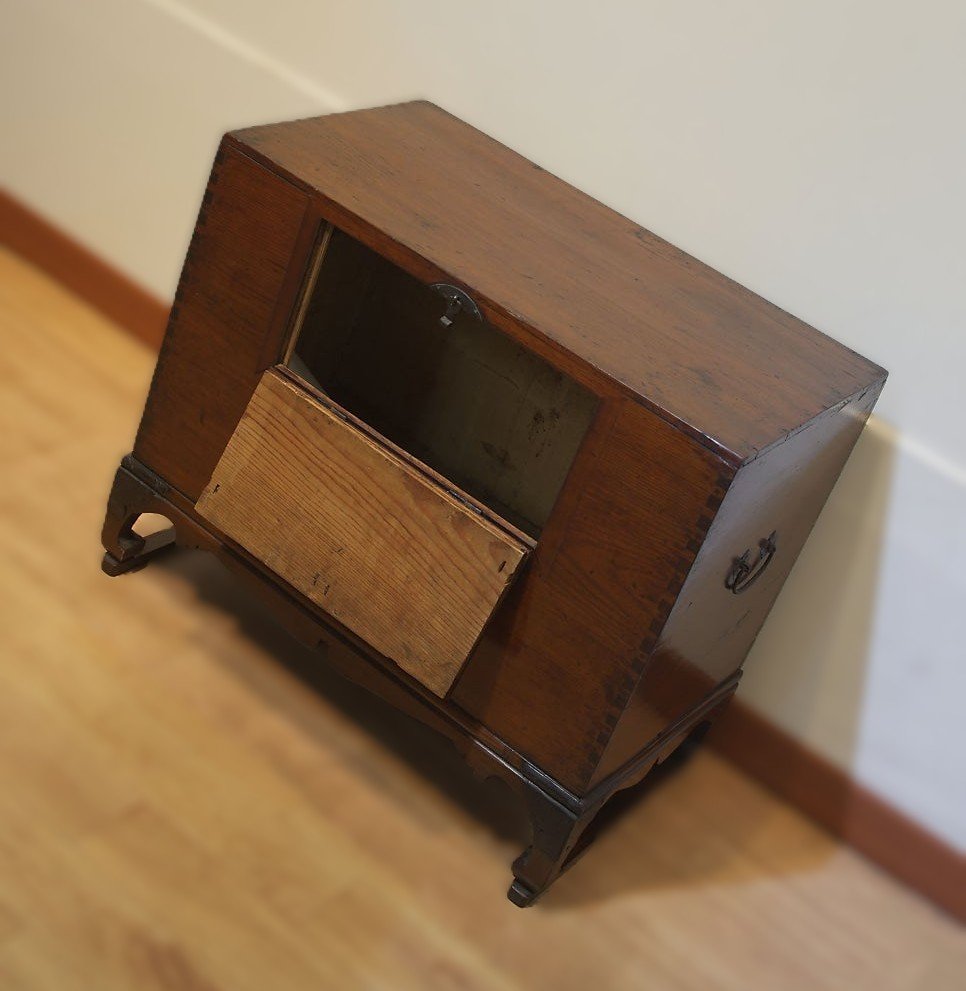
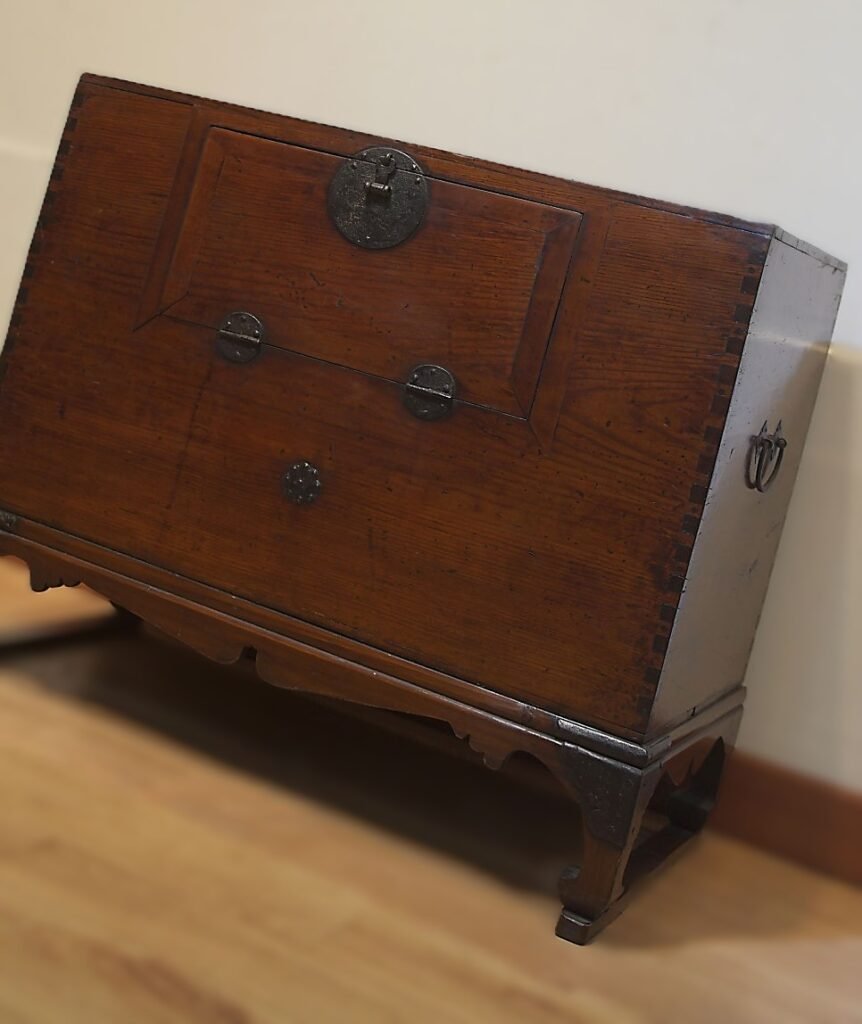
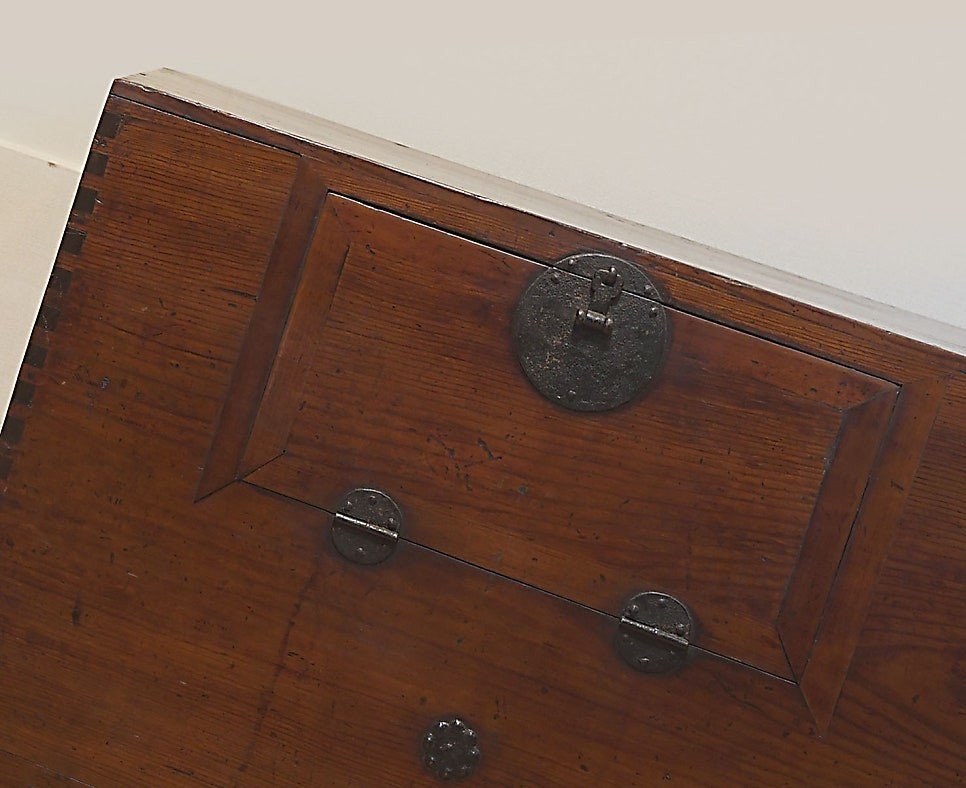
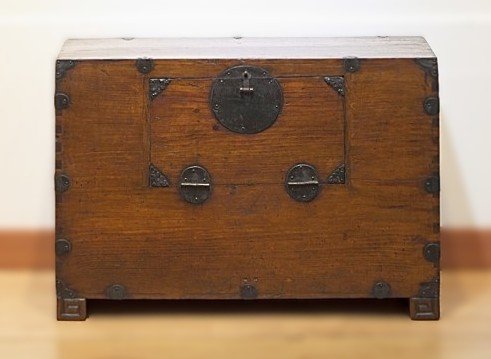
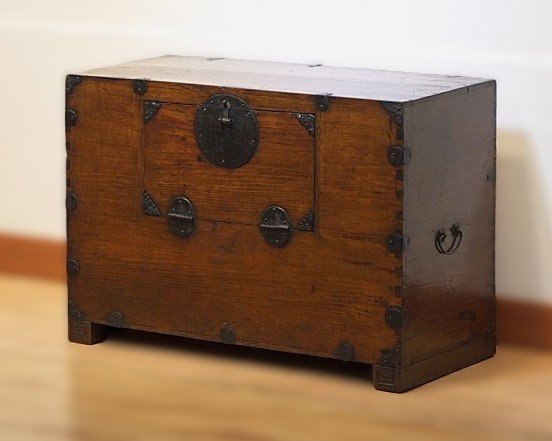
The most common model, widely found in modest households, consisted of a small-sized piece of furniture with a bandaji-type opening, that is, a central panel that folded down but did not open across the full width of the piece.
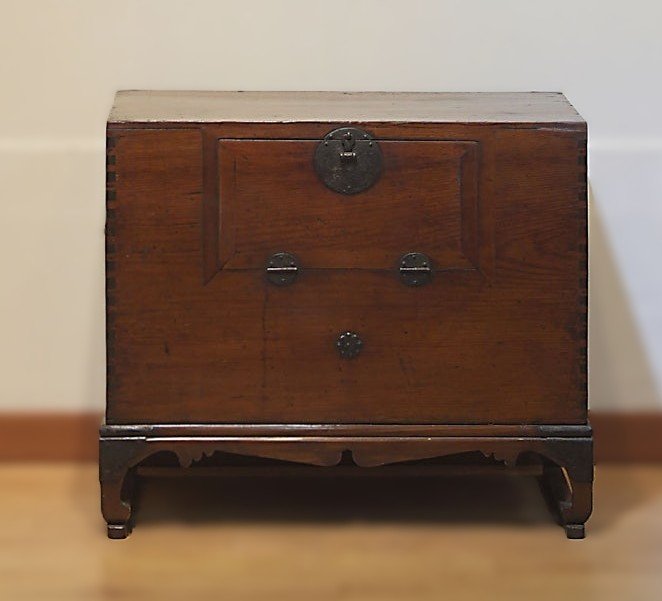
Rounded, faceted plates and flower-shaped metalwork.
Collection: Old Story gallery Seoul, Korea.
Some models, more elaborate in design, featured double central doors replacing the drop-down panel. They were most often made for wealthy families and were more richly decorated with mother-of-pearl or horn inlay.
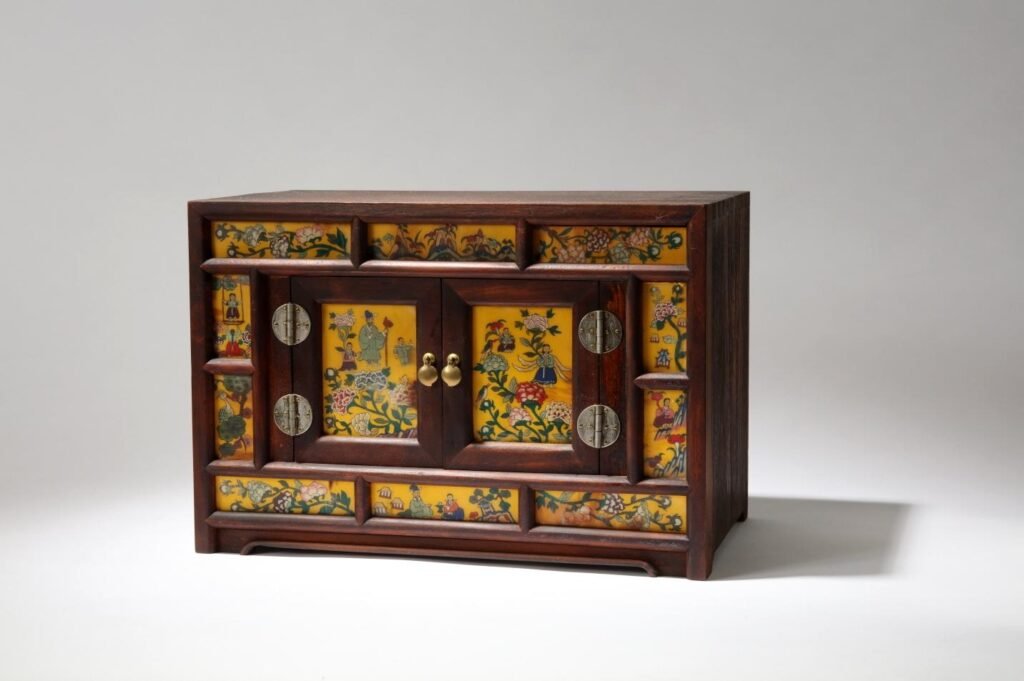
Dated: After liberation, Mid 20th century.
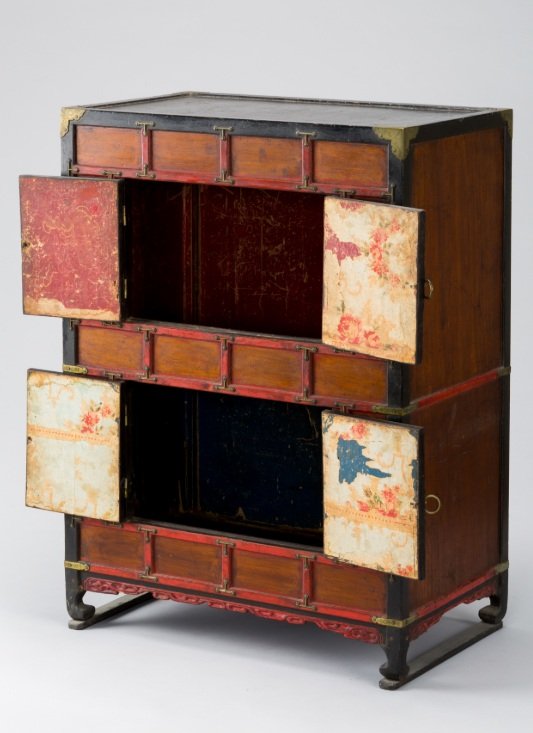
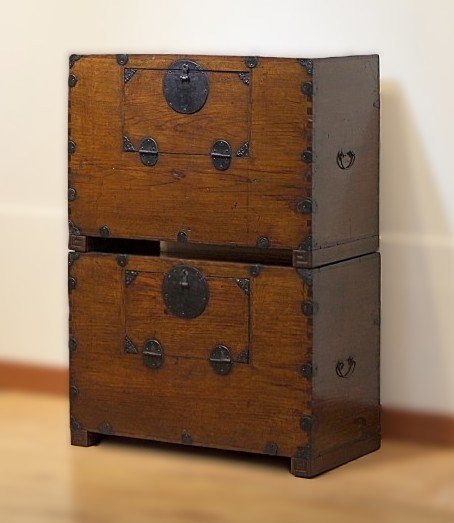
Finally, the third type consisted of larger pieces of furniture, often built in two tiers, but with proportions smaller than multi-level “Jang” chests.
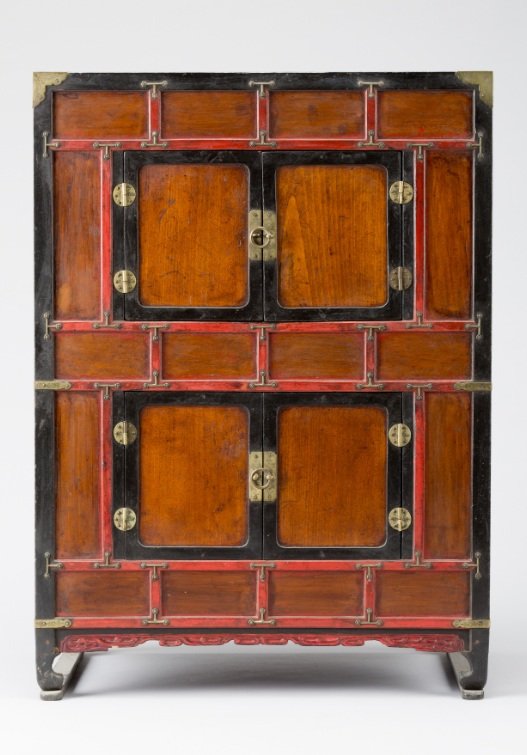
Height. 70cm, W. 50,5cm, D. 30cm.
A bedside piece of furniture used for storing personal items. It features a two-tier cabinet with hinged doors beneath a rectangular tabletop. The doors are fitted with circular hinges and square plates with circular ring pulls. The legs are connected by stretchers, and the base is decorated with bat-shaped ventilation openings. Each tier includes a rattan-lined compartment and small drawers flanking the central doors.
Collection: National Folk Museum of Korea.