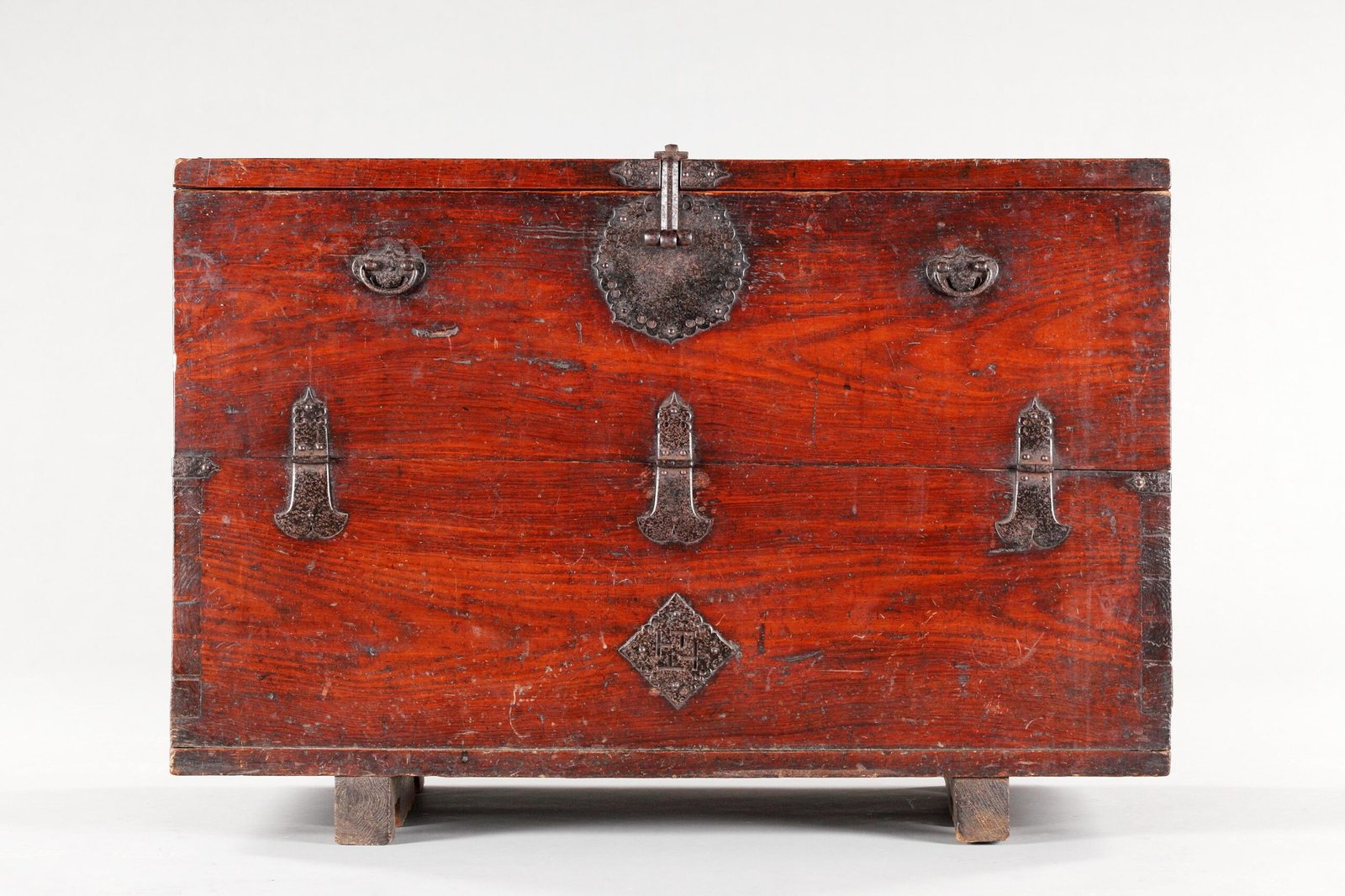
JEONJU CABINET. 전주장

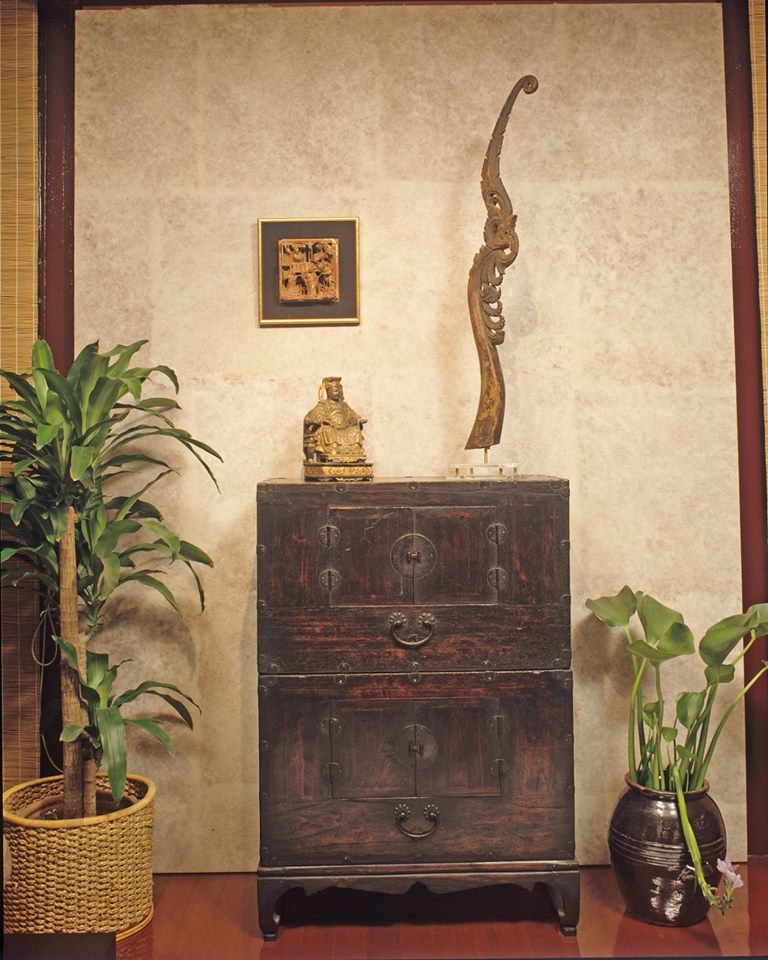
Jeonju-jang refers to wooden furniture made in Jeonju, North Jeolla Province, during the Joseon Dynasty and used by the middle-upper classes. It is valued as local cultural heritage for its distinctive shapes, metal ornaments, and multifunctional design tailored to users’ needs. Jeonju was a key residential center where landowners and yangban officials from the Honam […]
KOREAN WEDDING BOX (함)

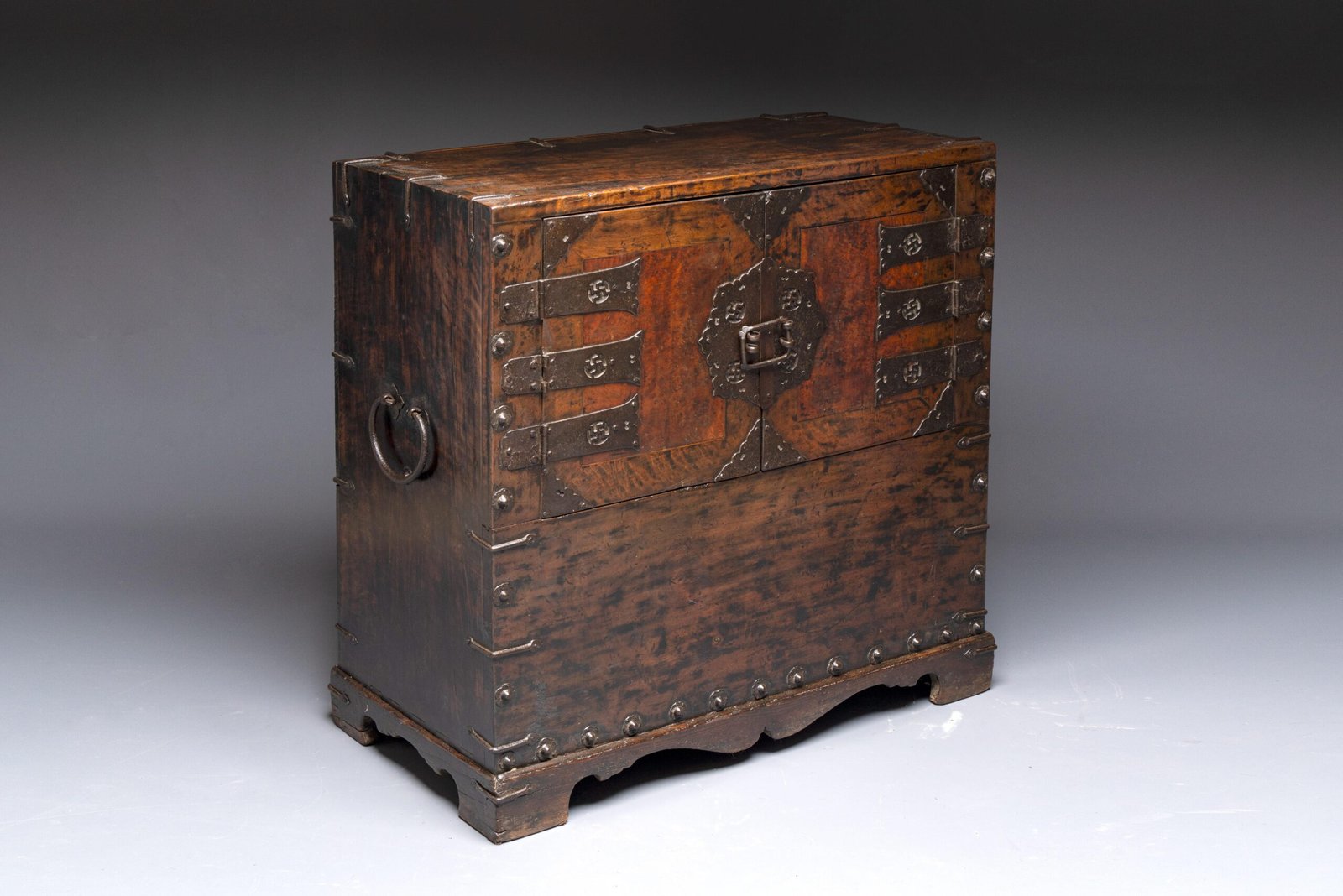
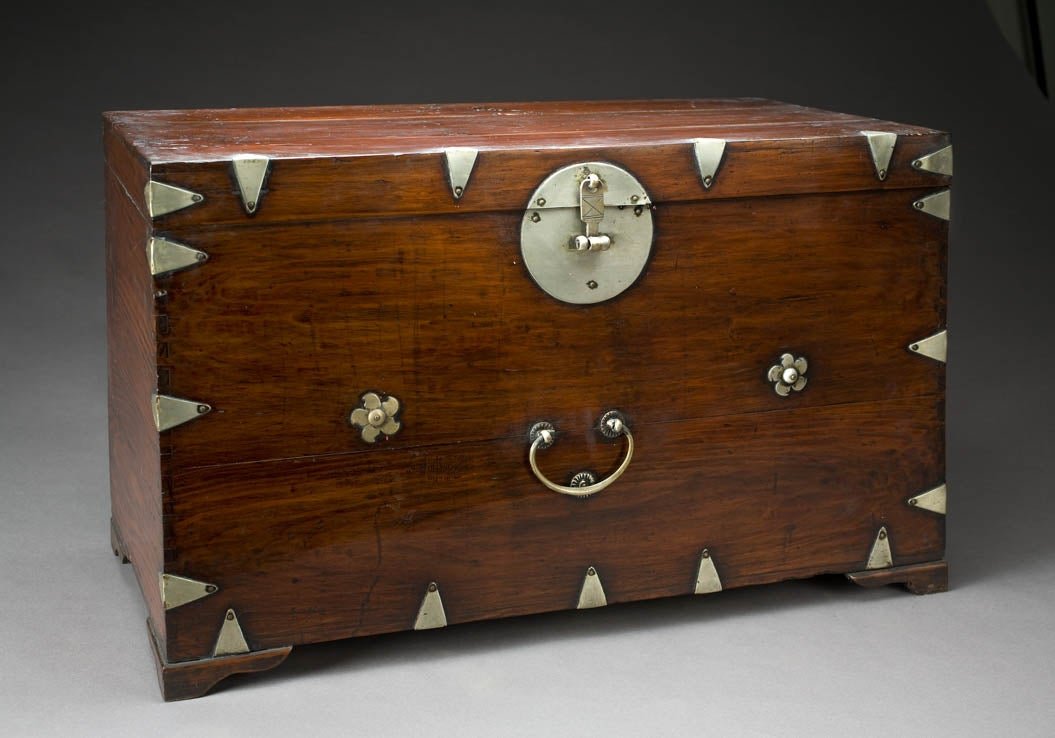
Korean wedding boxes, known as “Ham” or “Hon-su ham“, are typically characterized by their low and wide dimensions. The average measurements for these boxes are approximately 30cm in height, 60cm in width, and 30cm in depth. The top part of these boxes features a hinged lid at the back, which can be lifted open. The […]

NONG – 이층농

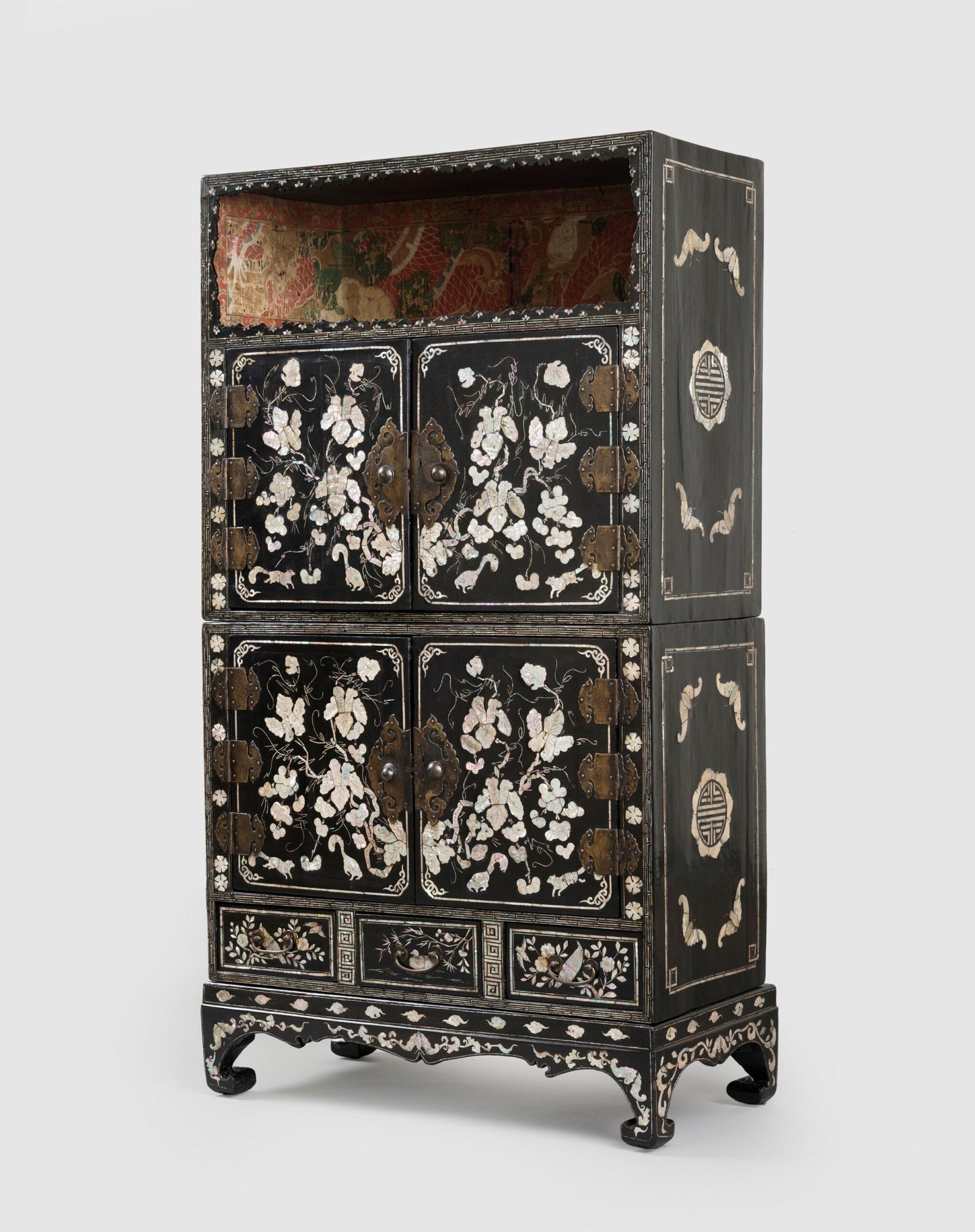
Nong- 이층농 in Korean is used to define a stackable clothing chest. The name has been used since the Goryeo Dynasty. Nong originally did not have legs, but later on, a leg part, called madae (馬臺), was attached to it. In the beginning, Korean furniture tended to be small, light, and plain, with minimal decoration […]

THE KOREAN DAY BED – 평상

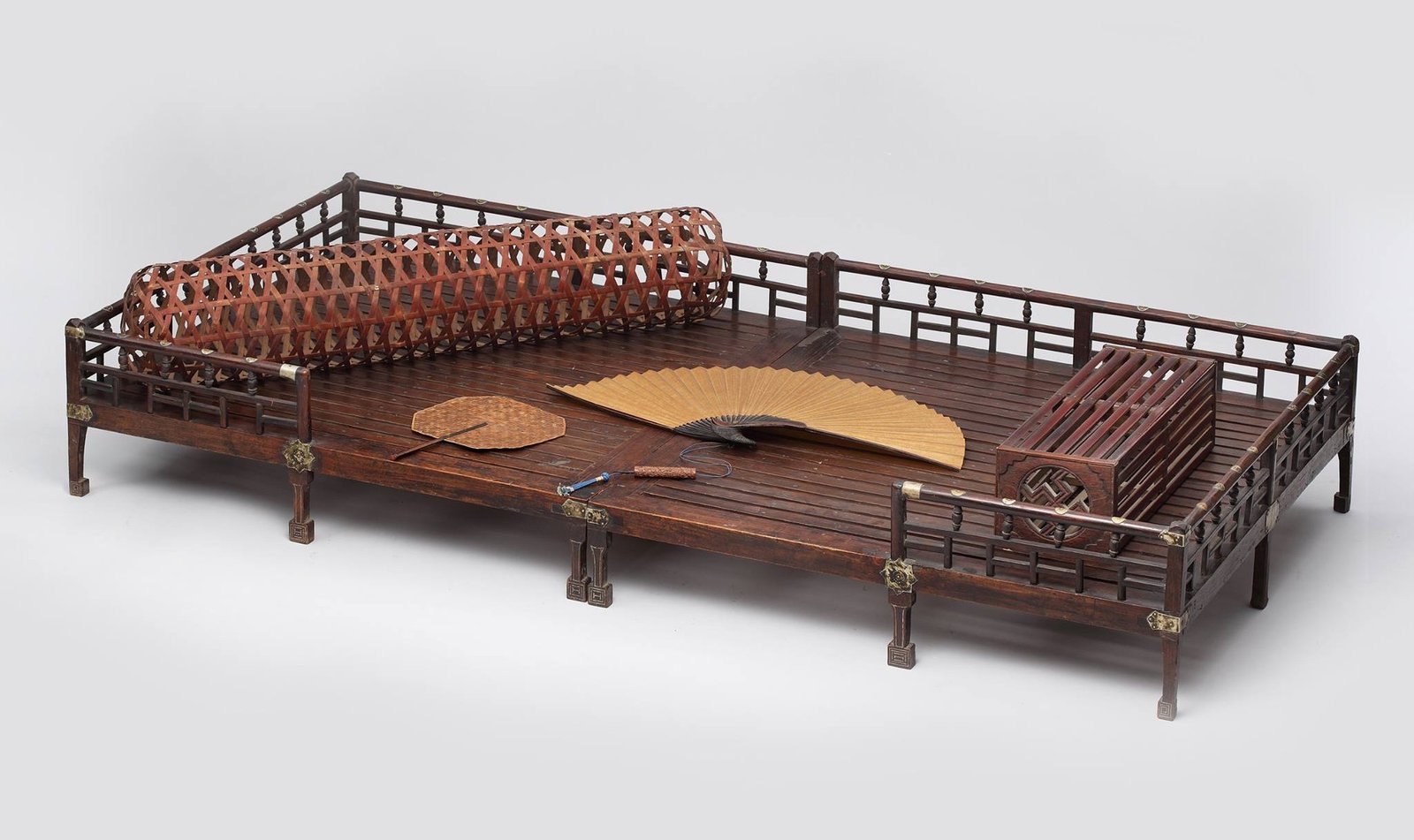
If we examine the Goguryeo tomb murals depicting daily life, we can see that the Goguryeo royal family and nobles lived a seated lifestyle. There are two theories about the main figure of An-ak Tomb No. 3, built in the mid-4th century. Some believe he was Dongsu, a Chinese exile, while others argue he was […]

SMALL WOODEN ACCESSORIES & TOOLS.

TONGGAGBAN – 통각반: Round tray-tables. Tonggagban also called Jegi 제기 (祭器) refers to a variety of vessels and tools used in ancestral rites. These items can be made from various materials, including wood, porcelain, and brass. In shrines, ceremonial vessels made of porcelain or brass were mainly used. Wooden jegi were commonly used in graveyards […]

ROYAL FURNITURE

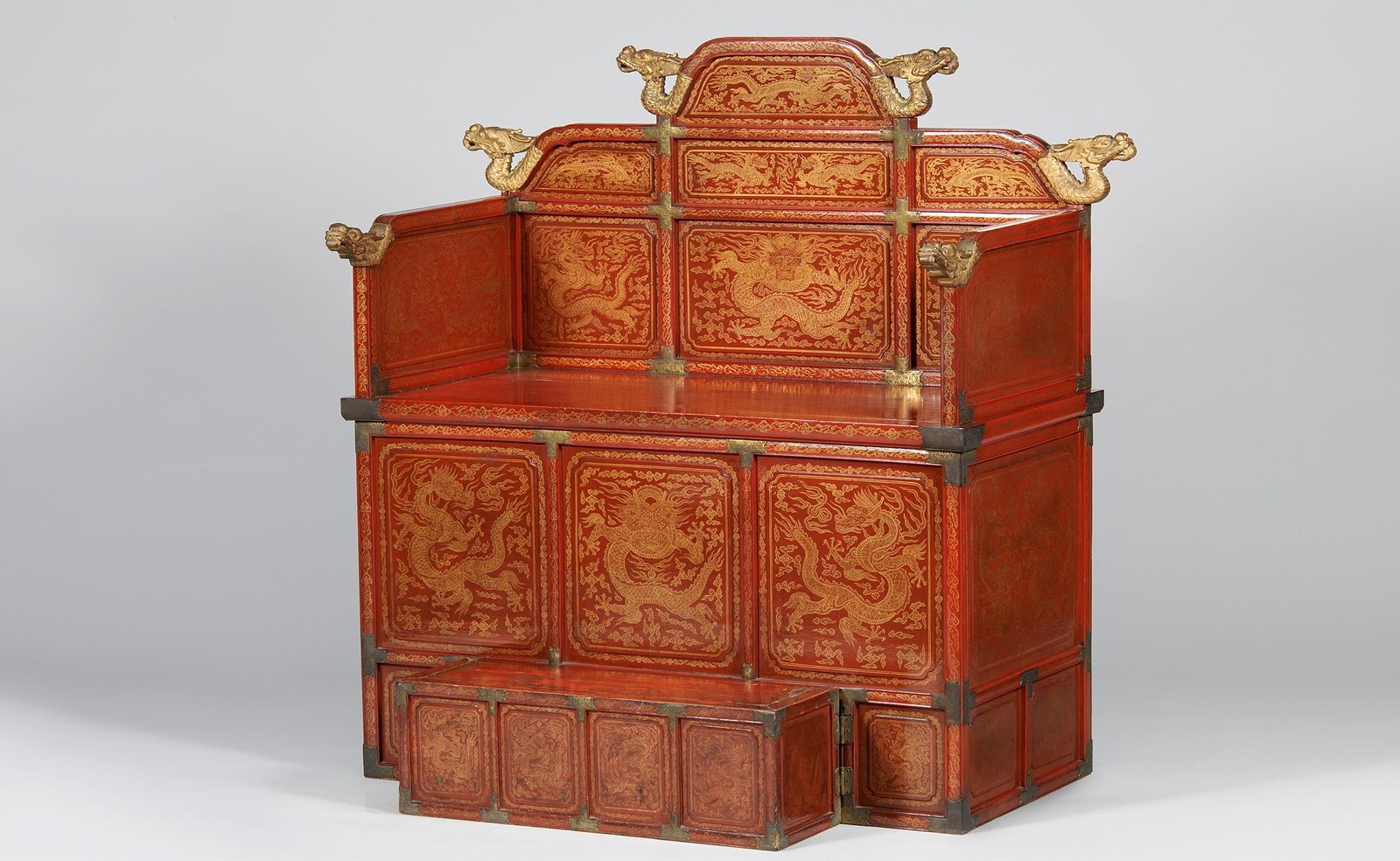
The furniture illustrations in this chapter come from the collections of selected Korean museums. Most of the pieces date from the late Joseon dynasty, specifically from the late 18th and 19th centuries. The study is relatively complex, given the limited amount of information available on the subject. Our deductions are based on the analysis of […]

KOREAN FURNITURE WITH MODIFIED DESIGNS.

Our exploration of the various collections housed in Korean furniture museums has enabled us to identify furniture with distinctive designs. Feature image: Described as a clothing chest. Period Japanese occupation, early 20th century.H. 121,5cm, W. 88cm, D. 39cm.Also called a Jeongju wardrobe, this chest is from Jeongju city, capital of North Jeolla province DOCUMENT & […]

THE SMALL DISPLAY CABINET.

This small piece of furniture is rarely described in publications, both in Korea and abroad. It is quite special, and we thought it would be interesting to present it. Hardly ever found in specialized galleries or at auctions, our observations are based on photographic documents from private collections or museums in Korea. Often finely executed, […]

LIGHTING DURING THE JOSEON DYNASTY

“Nobody knows quite when the candlestick or lantern first appeared on the Korean Peninsula, but the archaeological record provides fascinating insight. The earliest-known candlestick found in digs dates back to the end of the Unified Silla (668-935) period. But a magnificent, 25.5 centimeter pair of what at first glance seems to be a pair of […]

KOREAN BANDAJI – 반닫이

The Bandaji, known as a blanket chest in the West, is likely the most prevalent type of Korean clothing chest from the Joseon Dynasty. Its front is divided into two parts, with the upper half designed to open and close. The name “Bandaji“ is derived from the Korean words “Ban,” meaning “half,” and “Daji,” meaning […]