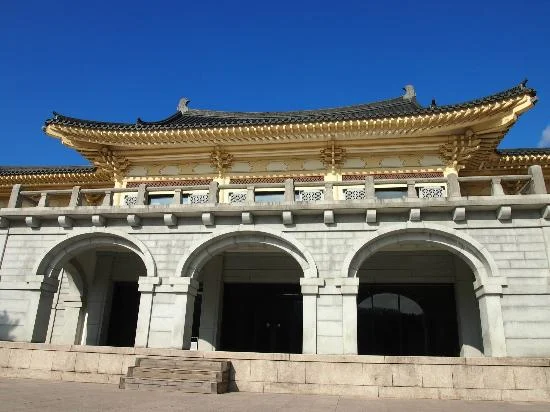
HO-AM ART MUSEUM. SEOUL.
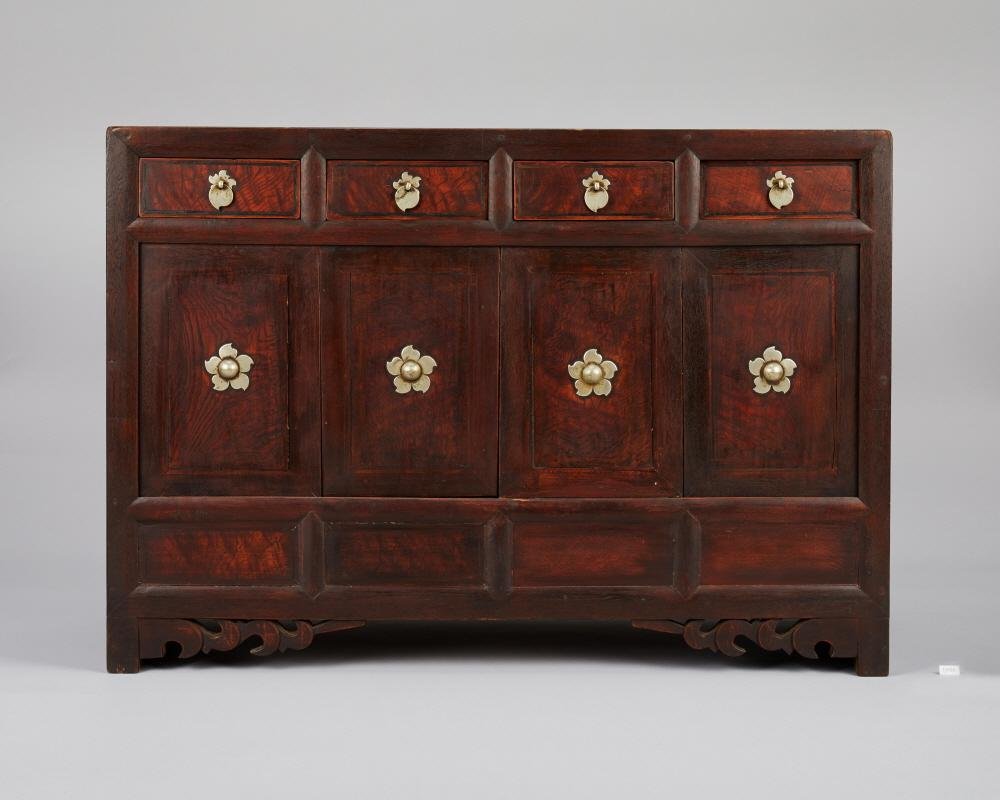
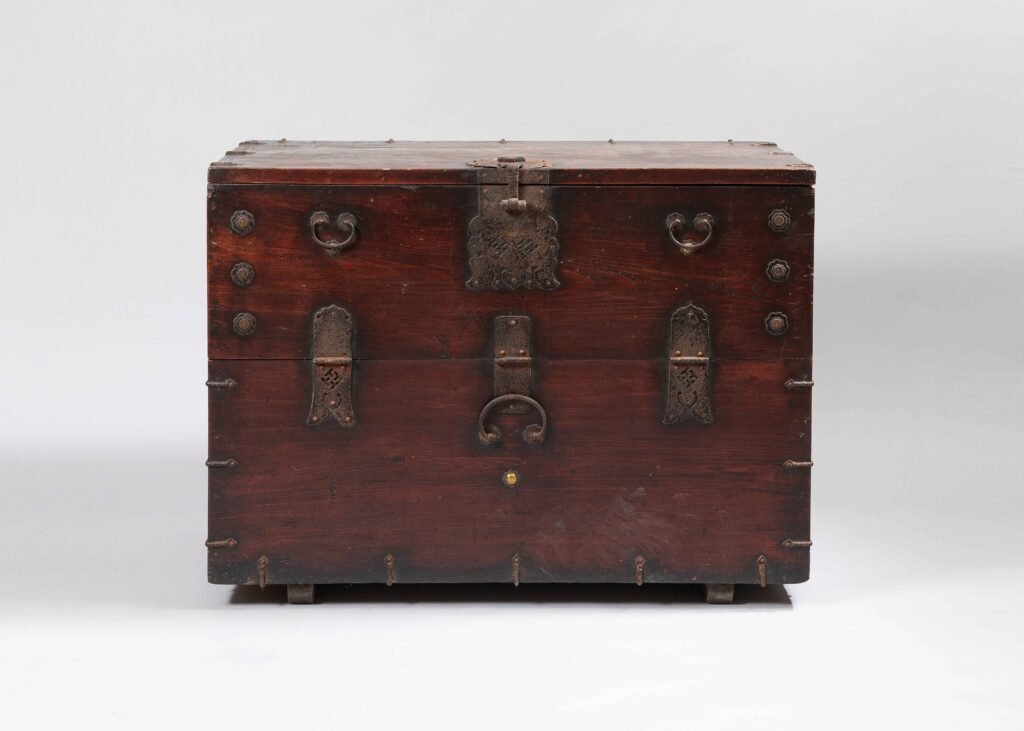
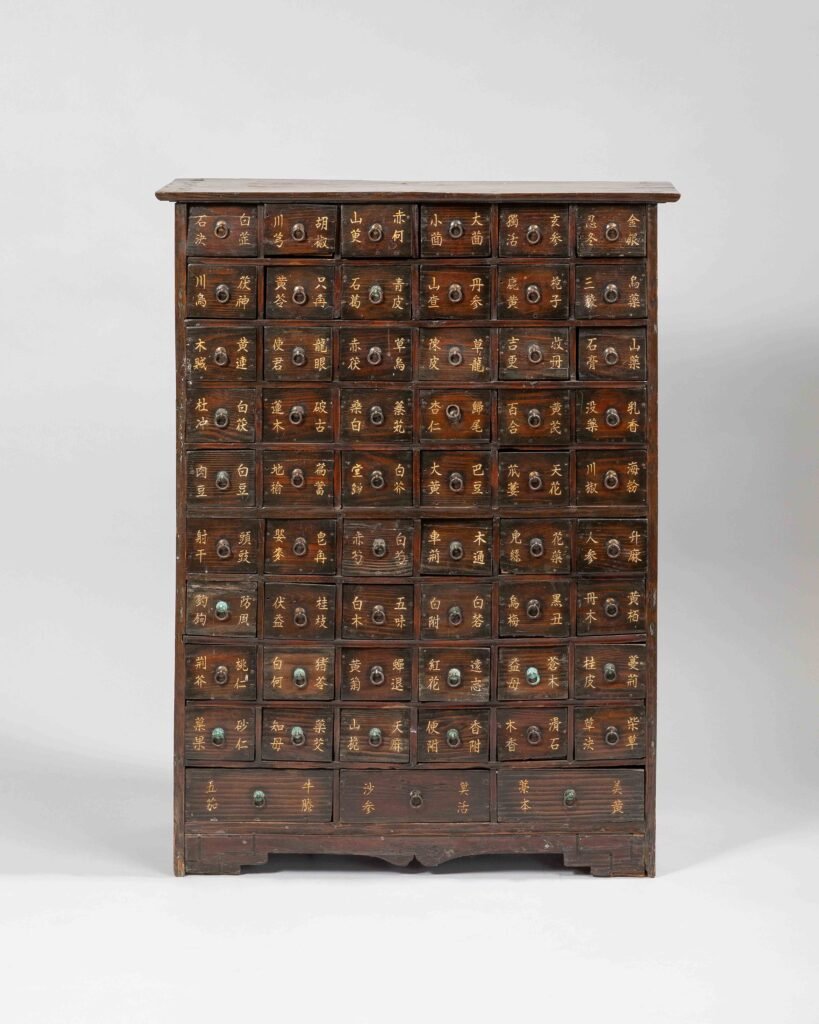
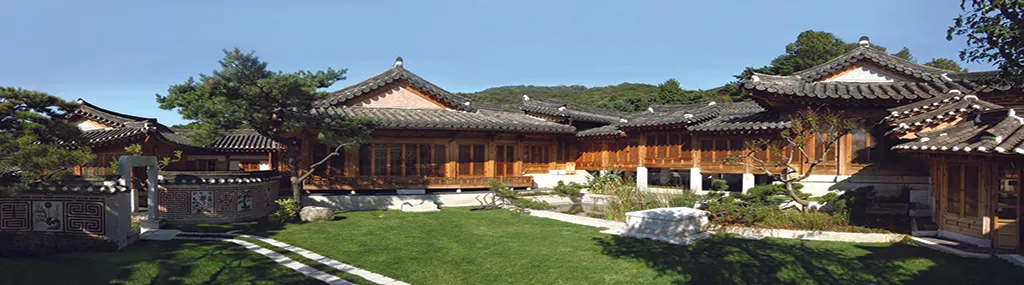
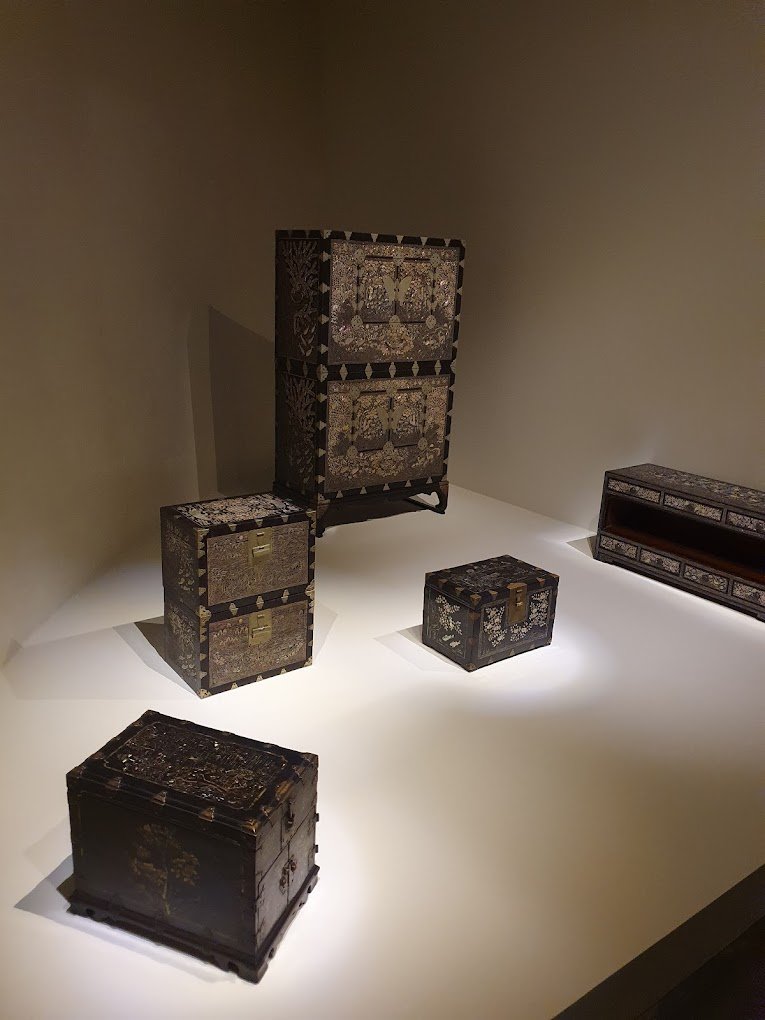
Ho-Am Art Museum opened on April 22, 1982 and this private museum was founded as the permanent home of the Korean traditional works of art collected over a period of about three decades by Lee Byung-Chull, the founder of the Samsung Group, whose pseudonym was Ho-am.
LINK: Ho-Am Museum.
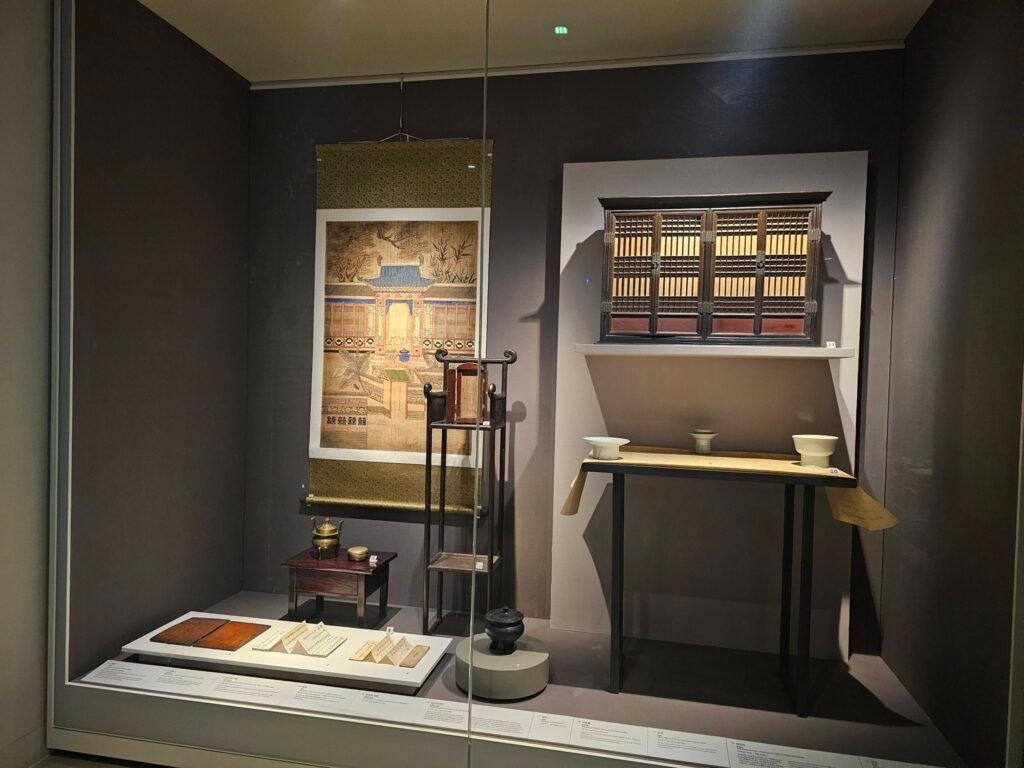
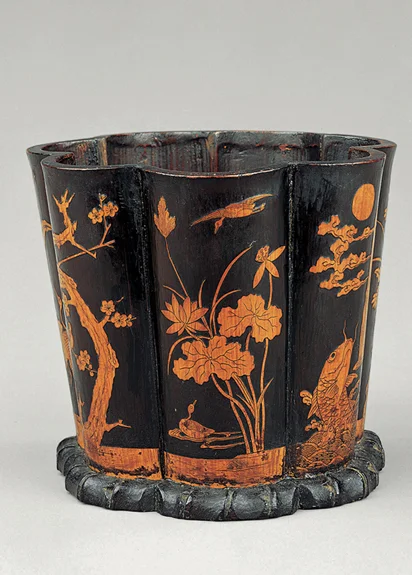
Joseon Dynasty, 19th century.
H 16.2cm, D 19.0cm (mouth), 16.2cm (base).
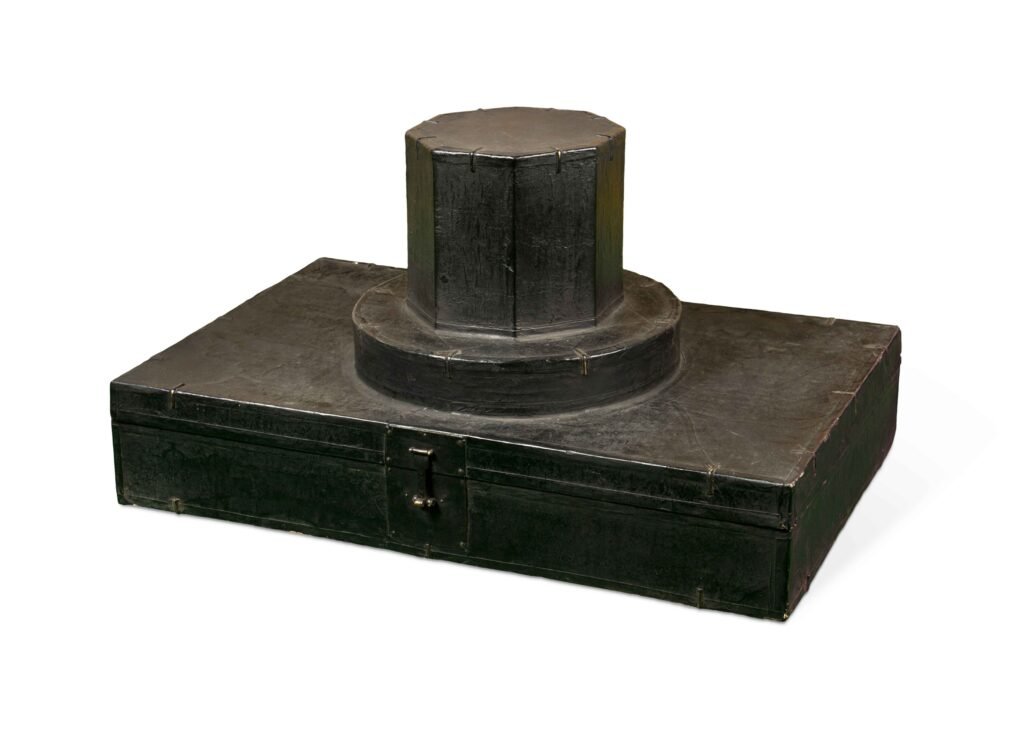
Used to store rolls of paper, short paper bins could be set atop a document chest or bookcase. This one is made from seven halved stalks of bamboo, which were joined together in the shape of a flower.
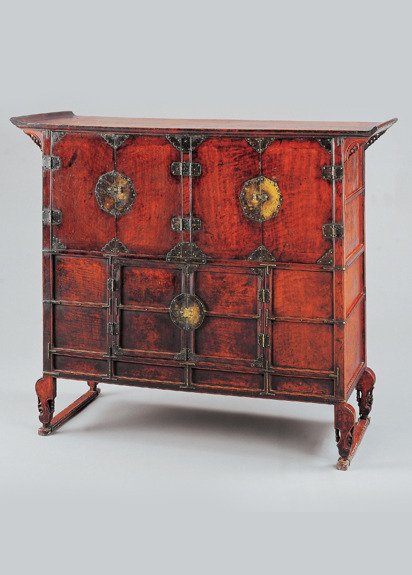
Joseon Dynasty, 18th century.
H. 91cm, W. 109cm, D. 40,5cm.
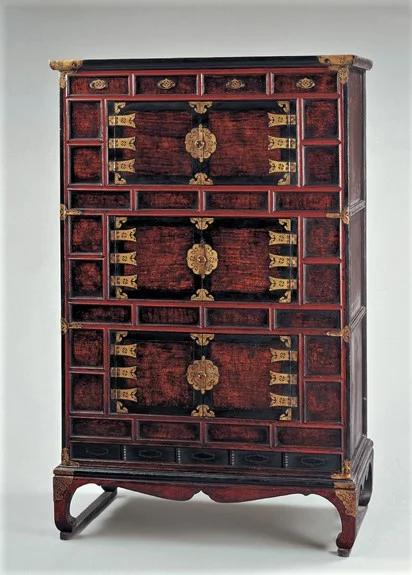
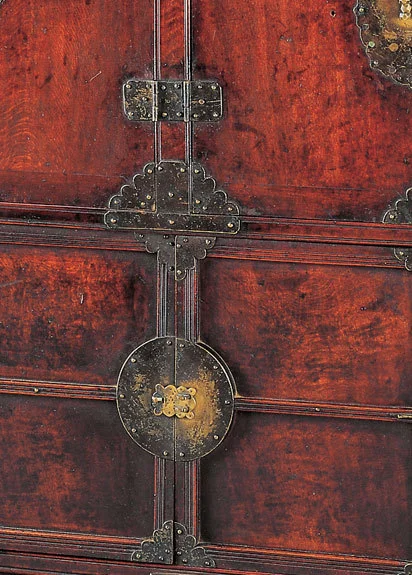
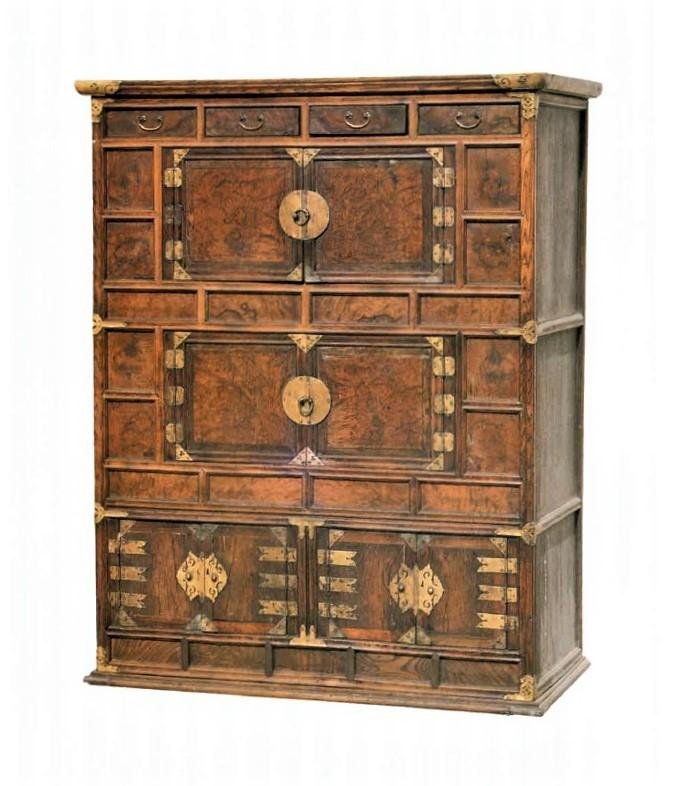
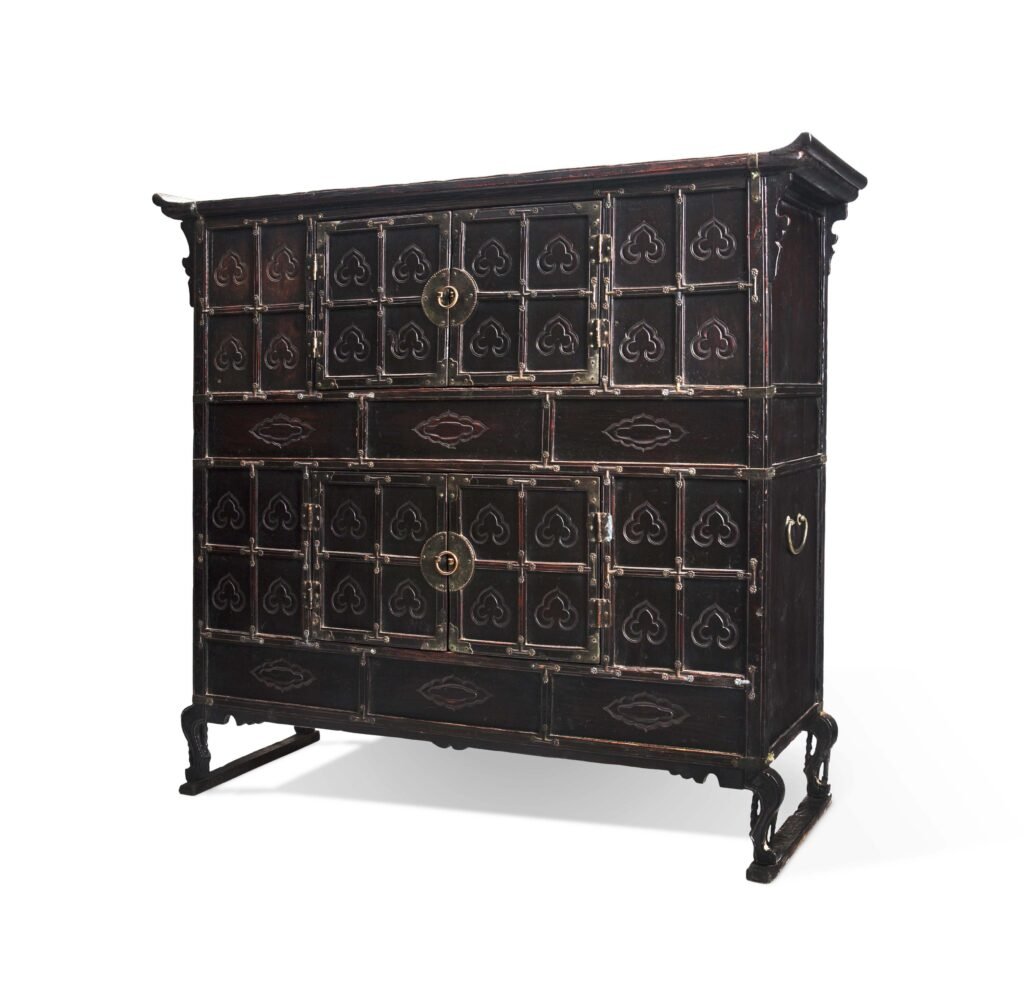
This clothing chest is also known as “Mandarin Duck Chest” since its two sets of harmoniously installed doors resemble couples of mandarin ducks, which are symbols of a loving couple. In general, the compartments with hinged doors were used for valuables and the lower part was for books, clothes or stationary items.
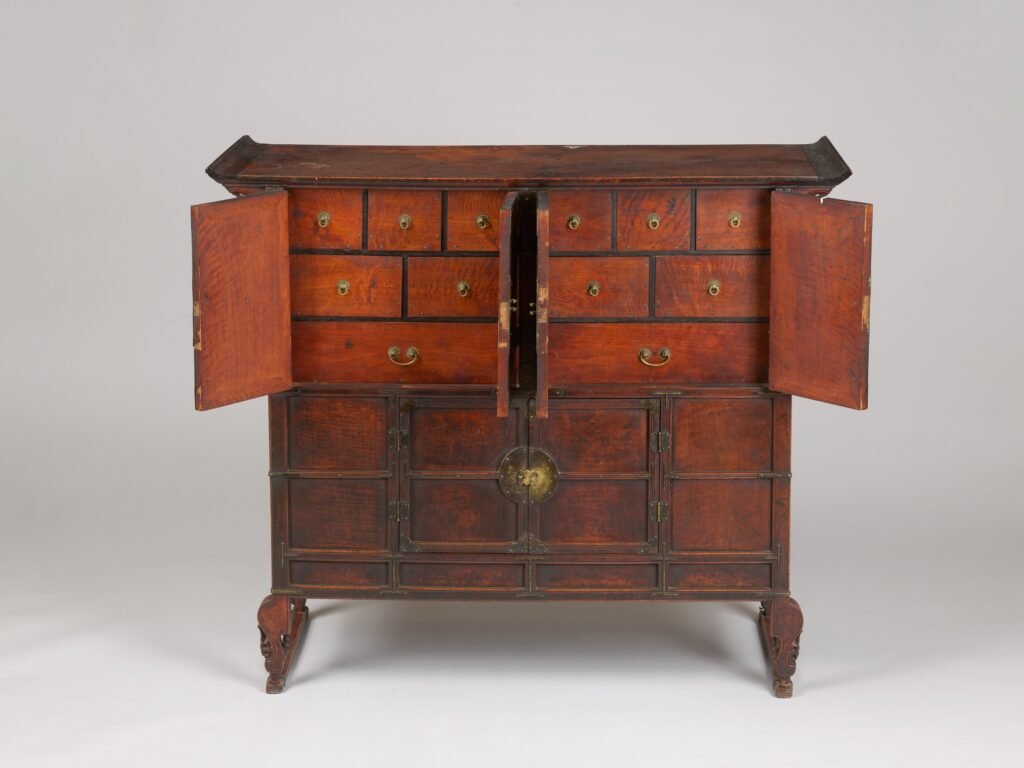
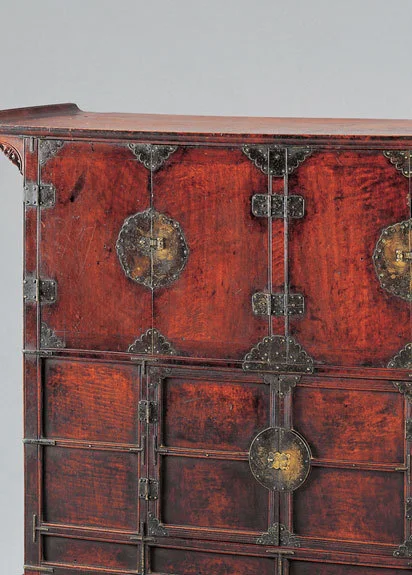
Brass “jangseok” (lock plates, corner mounts, hinges) show traditional hand-worked character with a mellow patina, enhancing visual depth without detracting from structural clarity. Elevated on carved feet and detailed with a modest overhanging top, the piece maintains a poised architectural presence.
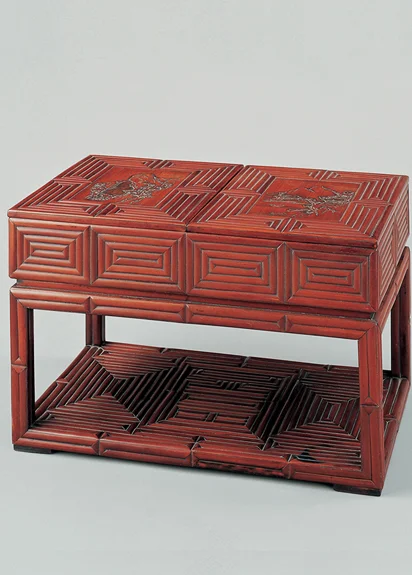
The body of this inkstone table is wood, but the outer layer is bamboo. Symbolizing the noble integrity of the literati, bamboo was a popular material for wood furniture.
Joseon Dynasty, 19th century.
H 29.3cm, W 45.8×28.3cm.
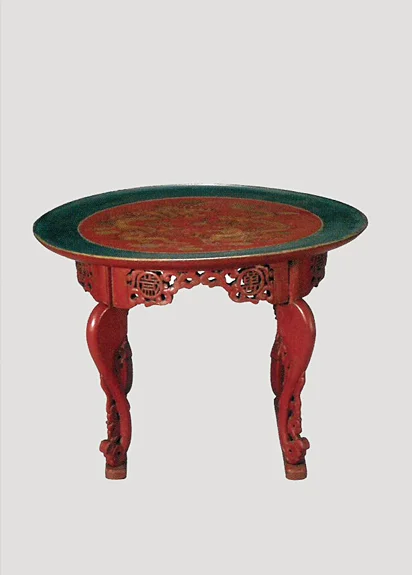
Joseon Dynasty, 19th century, H 32.7cm, W 45.7cm.
This tray-table is coated with both red and black lacquer, a style that was reserved exclusively for the Joseon royal court
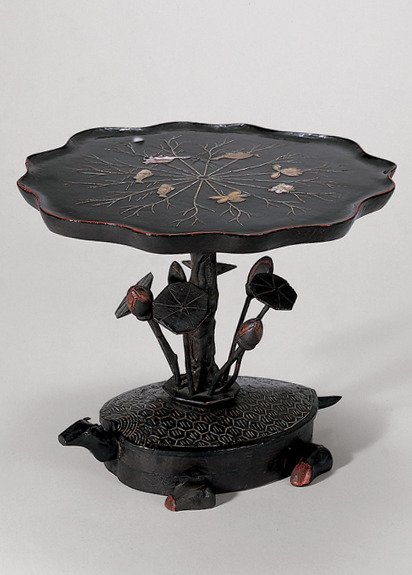
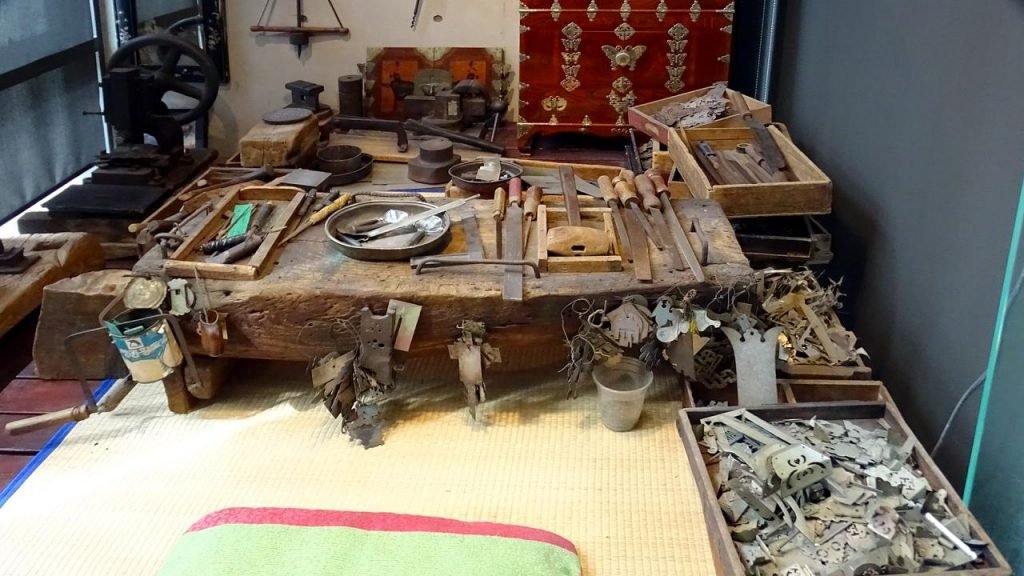
THE LOCK MUSEUM IN SEOUL – 쇳대박물관
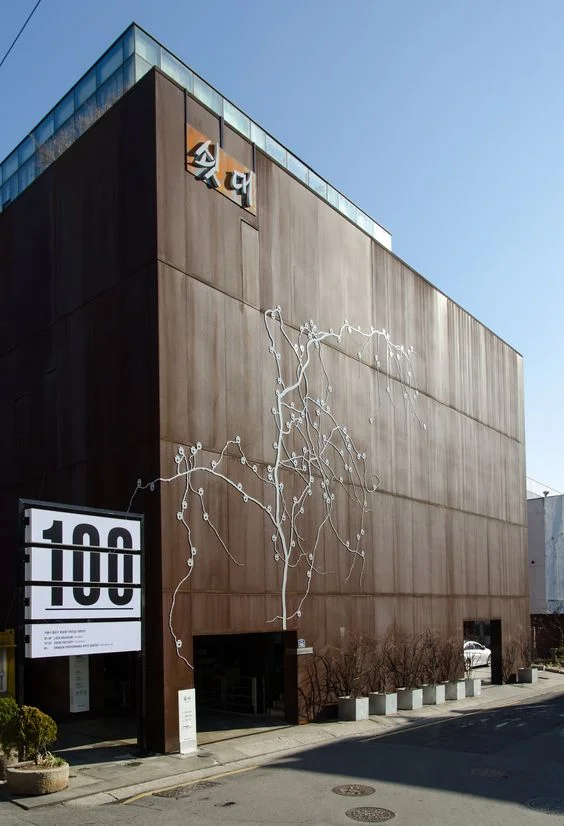
This museum houses a private collection of handmade metal works.
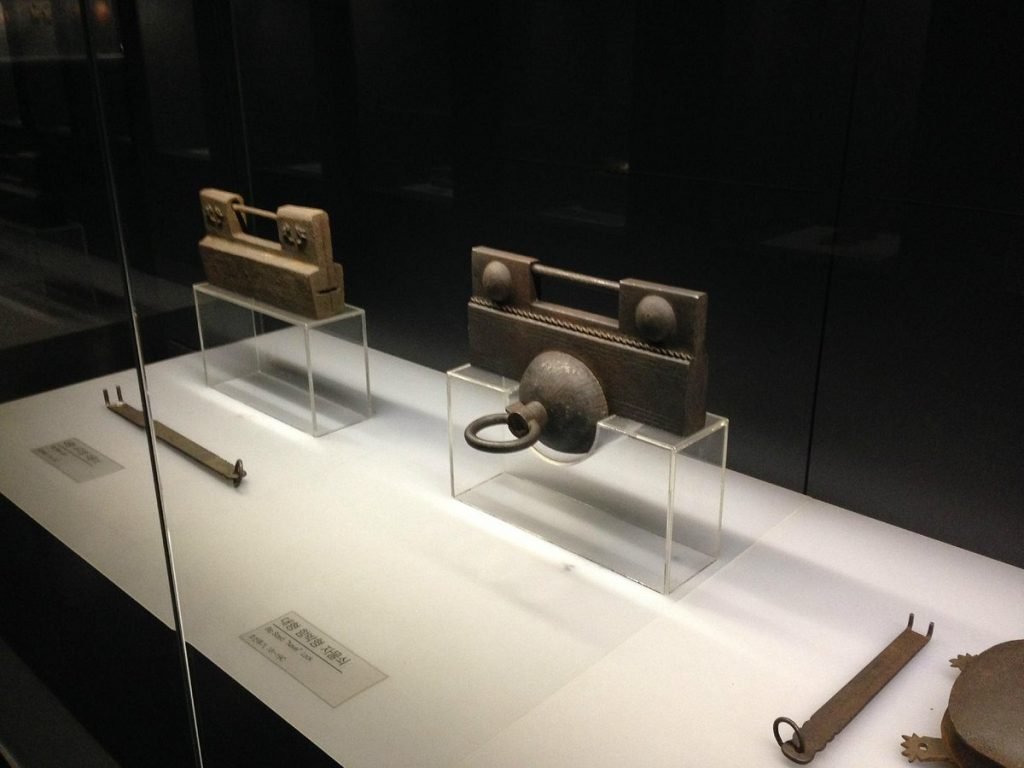
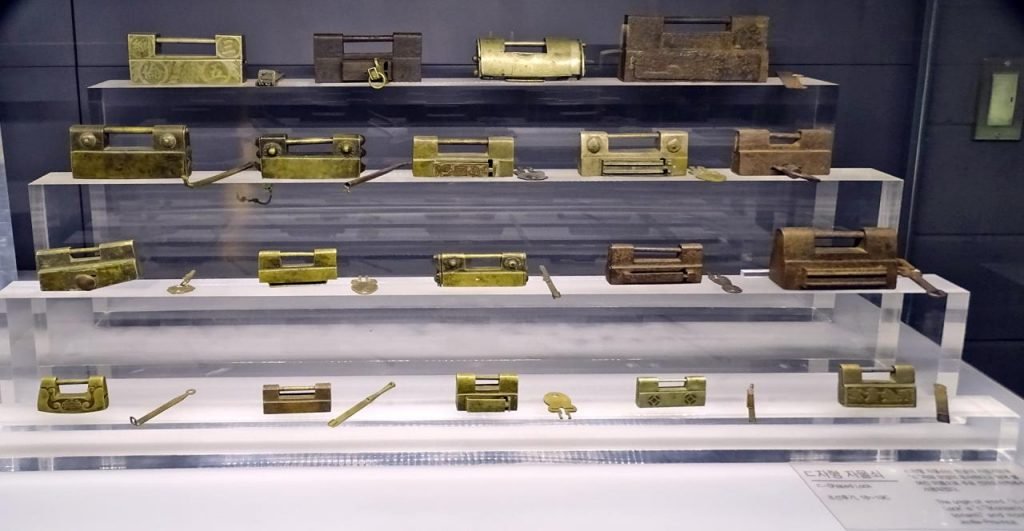
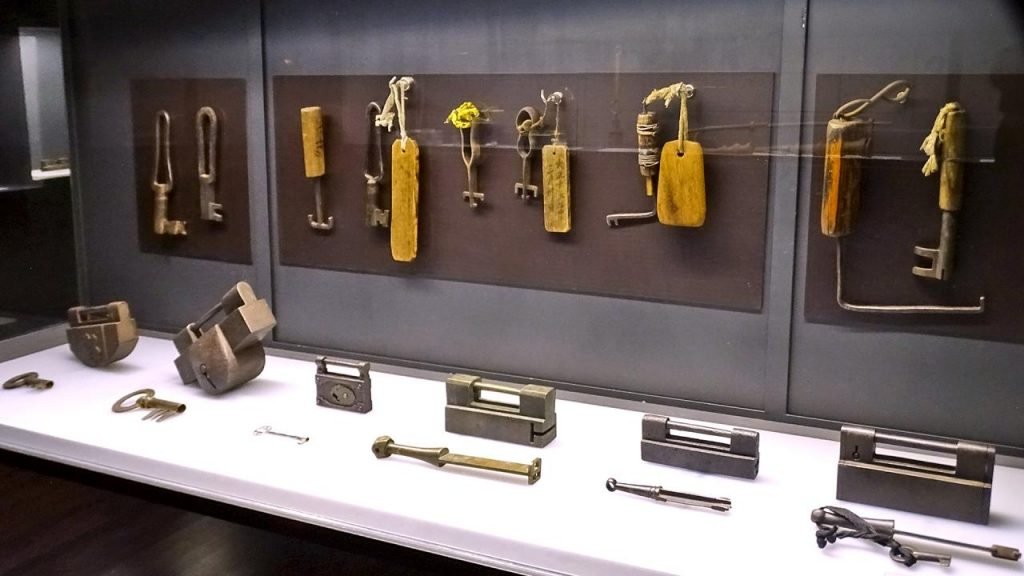
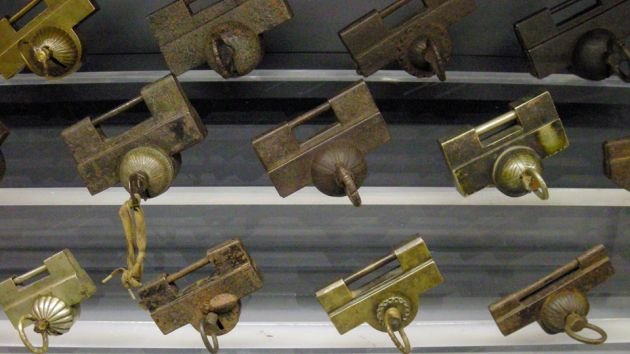
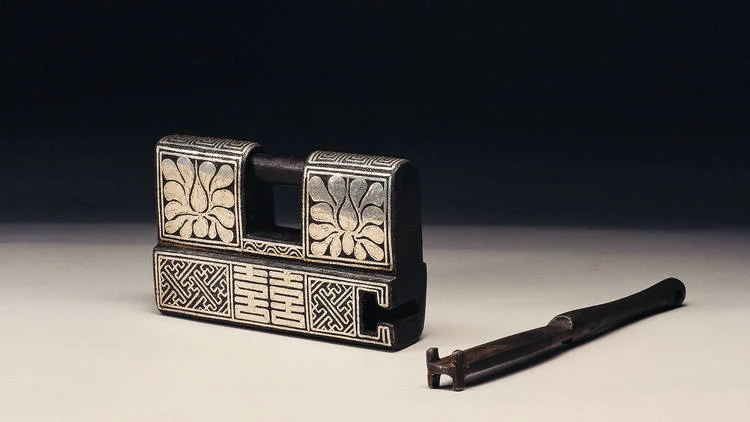
The Lock Museum displays antique locks, keys, and furniture from Korea and other parts of the world. The museum that opened in 2003 features over 4,000 different types of locks.
Locks are practical and functional in protecting gates and the contents of chests and other furniture. The beauty of the design of these antique Korean locks features characteristics of traditional art and are an important part of the cultural heritage of Korea.
Link: Seung Hyo-sang’s Iron Museum



HORIM MUSEUM, SEOUL
Horim Museum is a museum in Seoul, South Korea. The museum was founded by Yun Jang-seob who after setting up the Sungbo Cultural Foundation in July 1981 to purchase antiquities, established the Horim Museum in October 1982 at Daechi-dong, Gangnam-gu by leasing one floor of a building.
Link: Horim Museum.
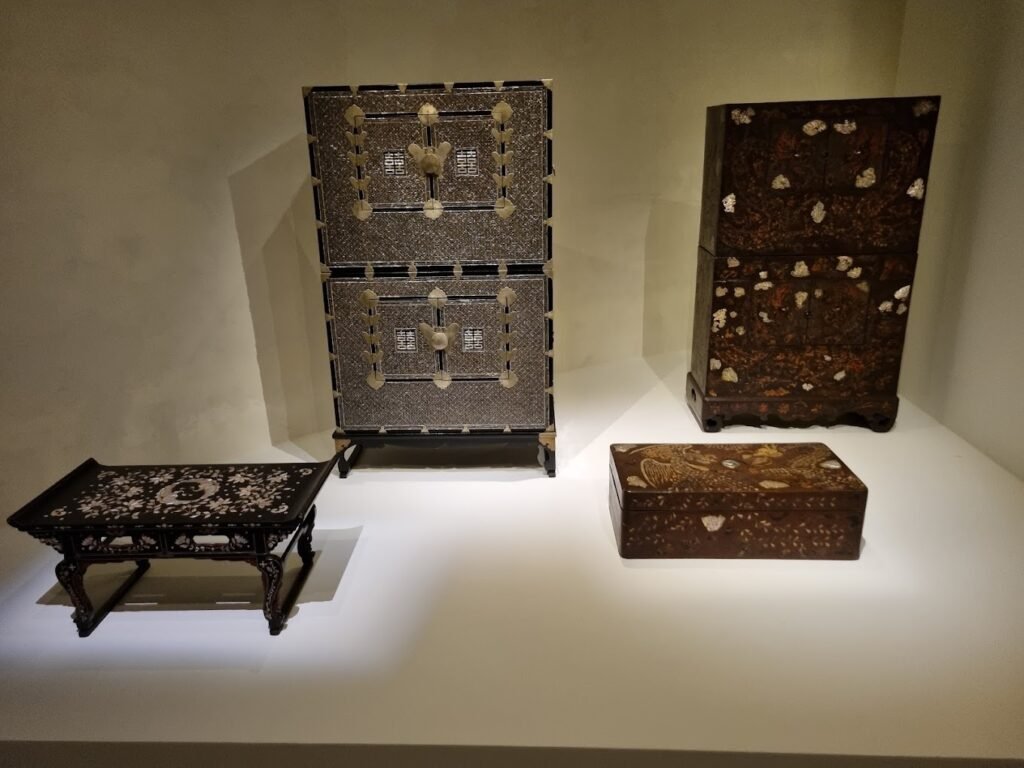

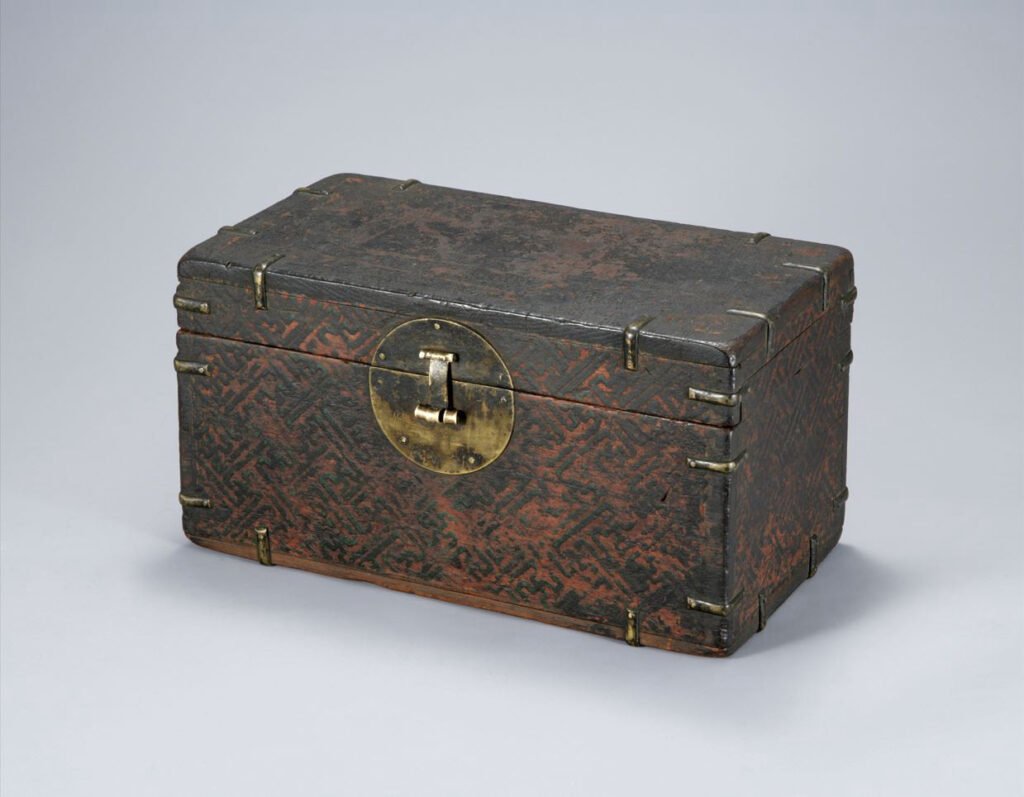
It is a paper box made of wood and decorated with cut out paper.
The main material used was pine.
The body was joined together by weaving and wooden pegs were driven in.
Noodle-shaped grippers were attached to each corner.
A round padlock without any special decorations was attached to the front.
On the back, there are two hinges shaped like medicinal fruits.
The pattern is heavily decorated with the character “卍”, which means good luck.
The contrast between the red background and the black pattern creates a dignified feeling even though it is small in size.
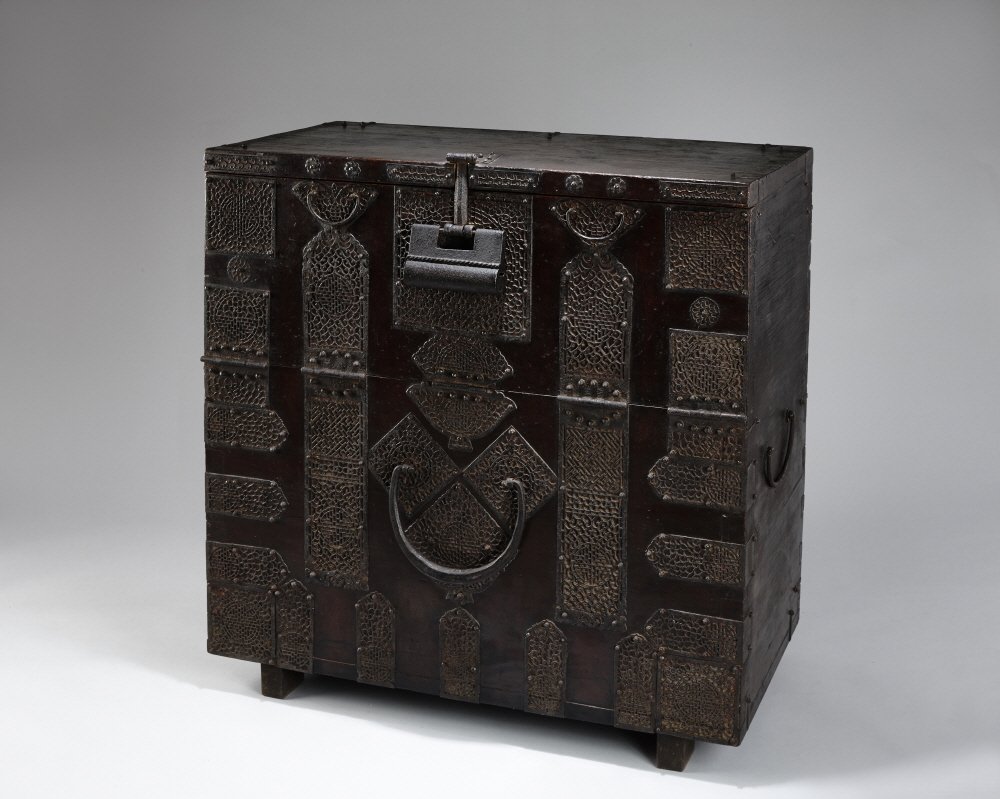
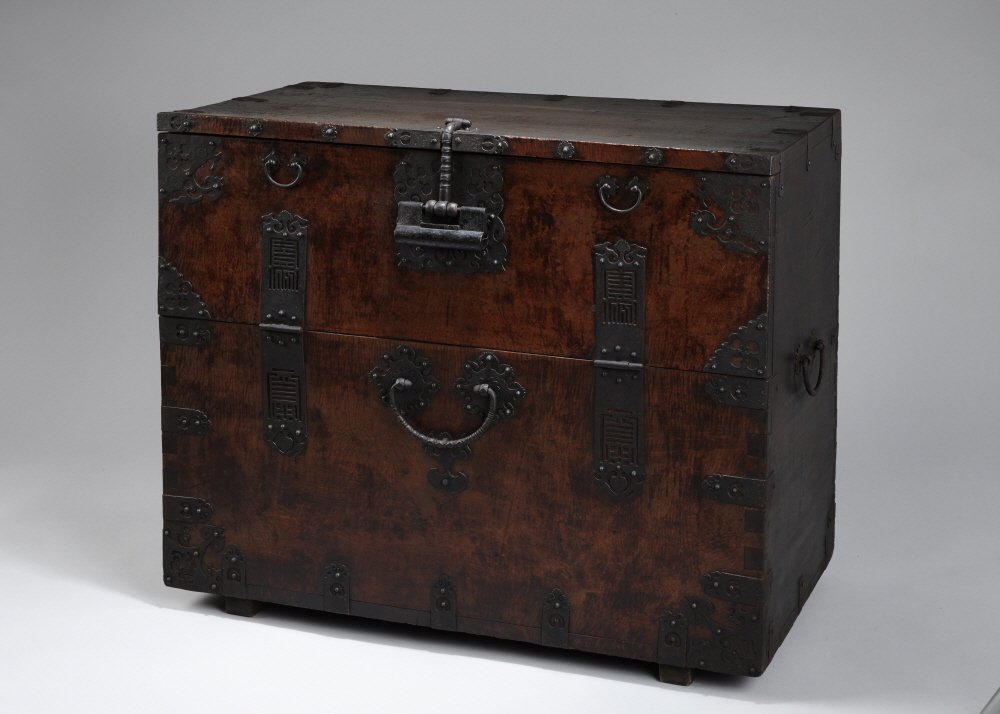
H. 97,8cm, W. 99cm, D. 48,5cm.
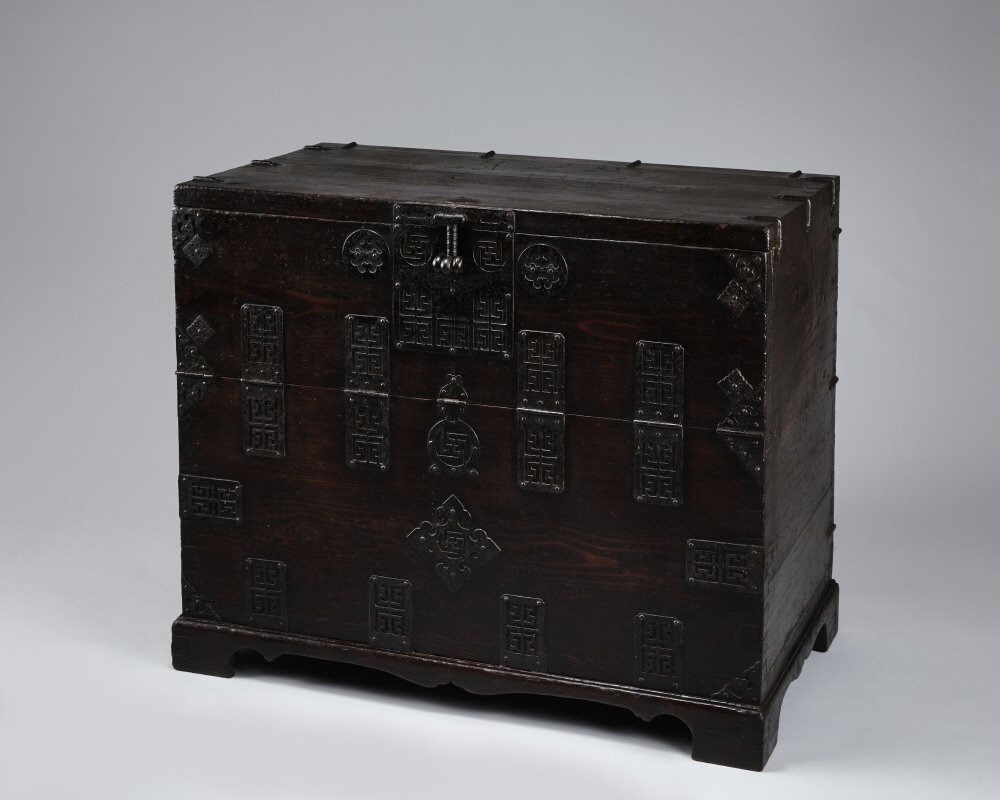
H. 79,5cm, W. 96cm, D. 51cm.

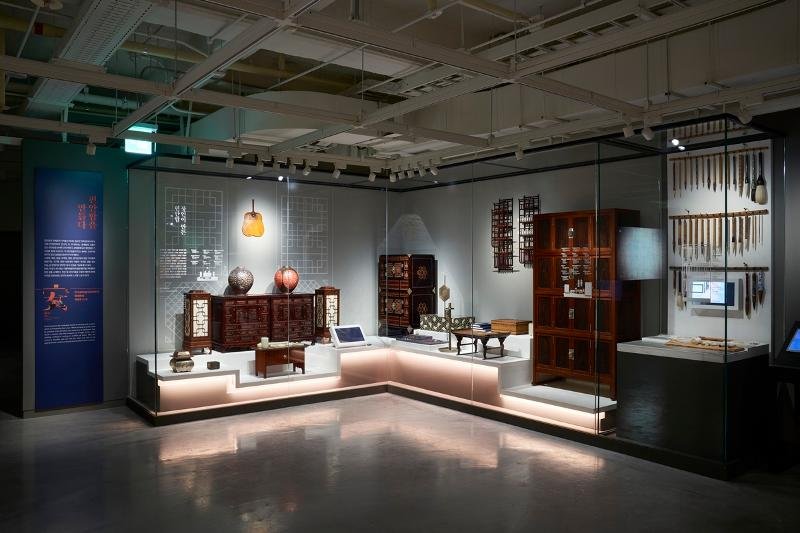
SEOUL MUSEUM OF CRAFT ART.
LINK: SeMoCa
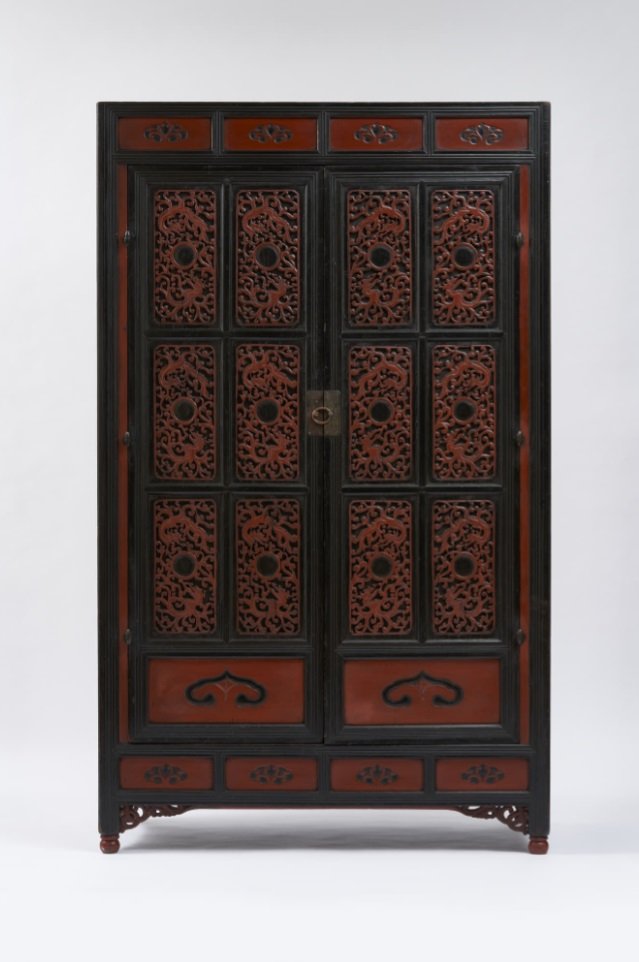
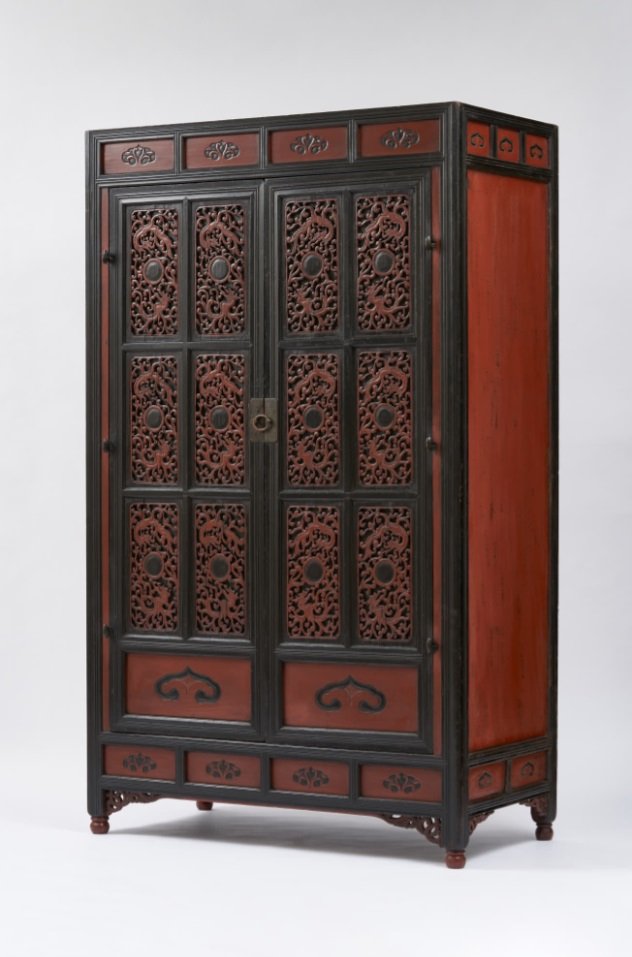
Red and black lacquer on wood. H. 176cm, W. 106cm, D. 51,5cm. Previously in the Royal Palace collection.
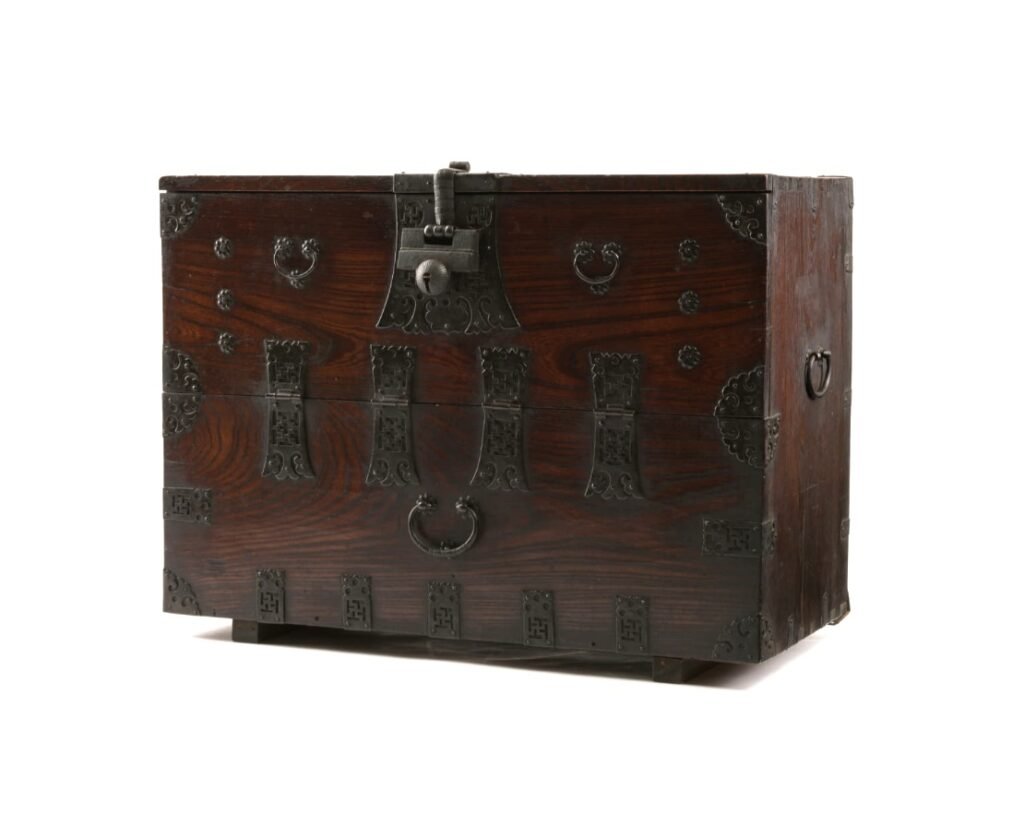
Yangsan area, Gyeongsang Do province.
H. 71cm, W. 95,7cm, D. 45,2cm.
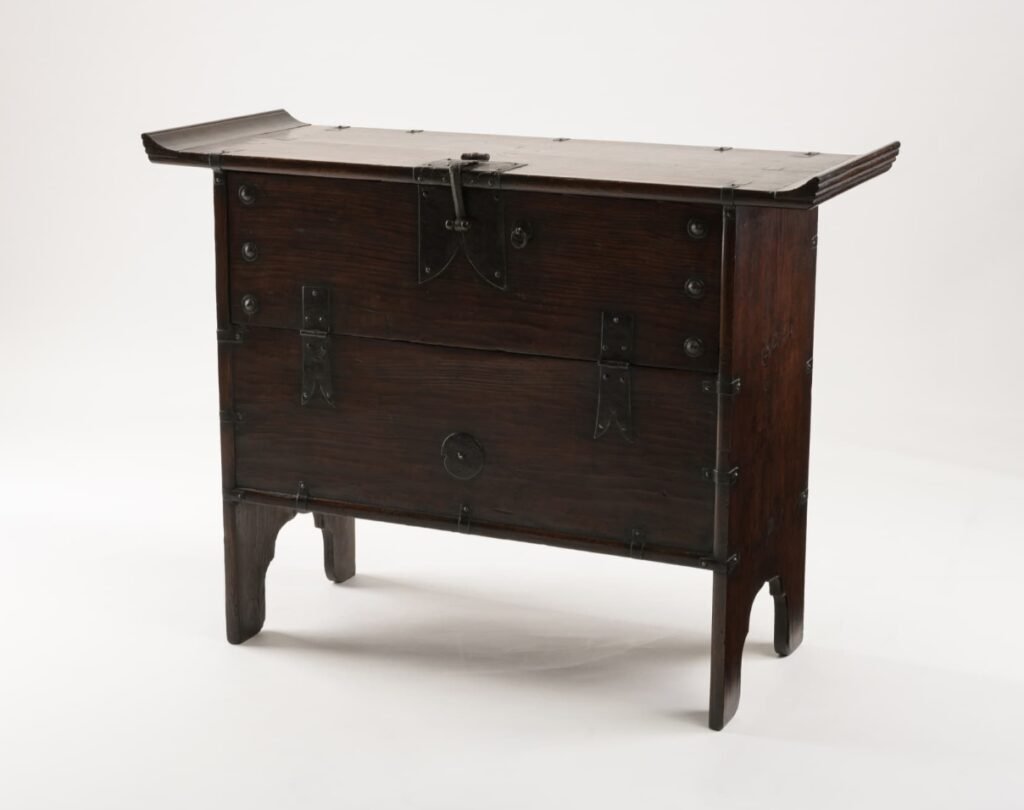
H. 73,3cm, W. 96cm, D. 36,9cm.
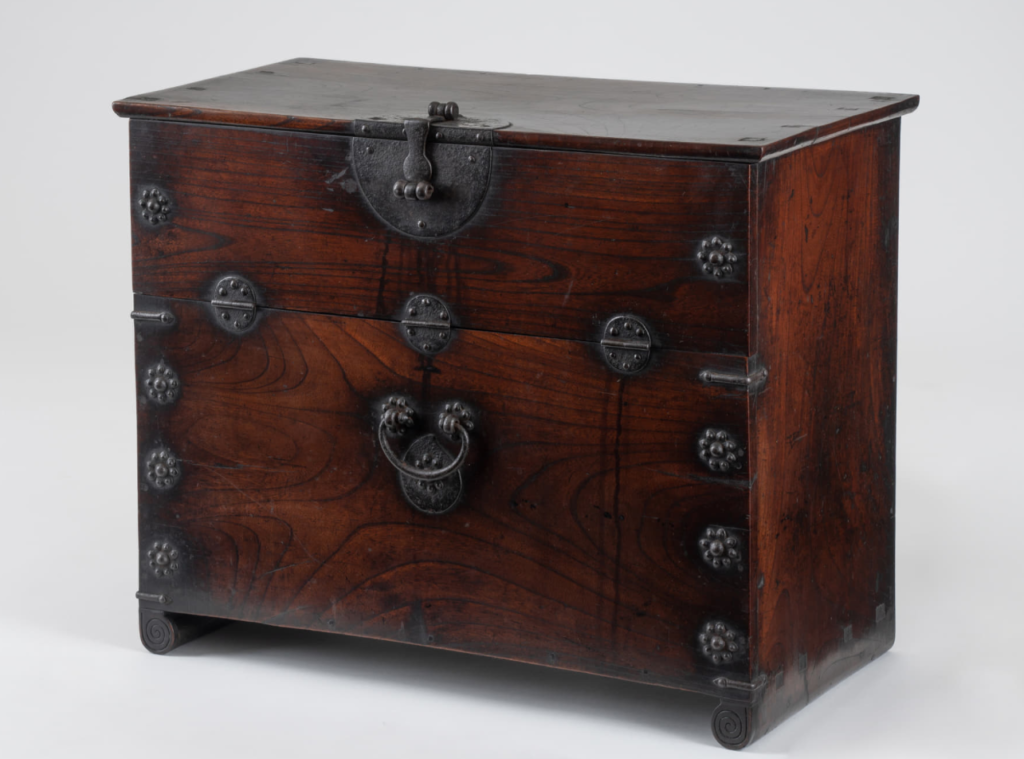
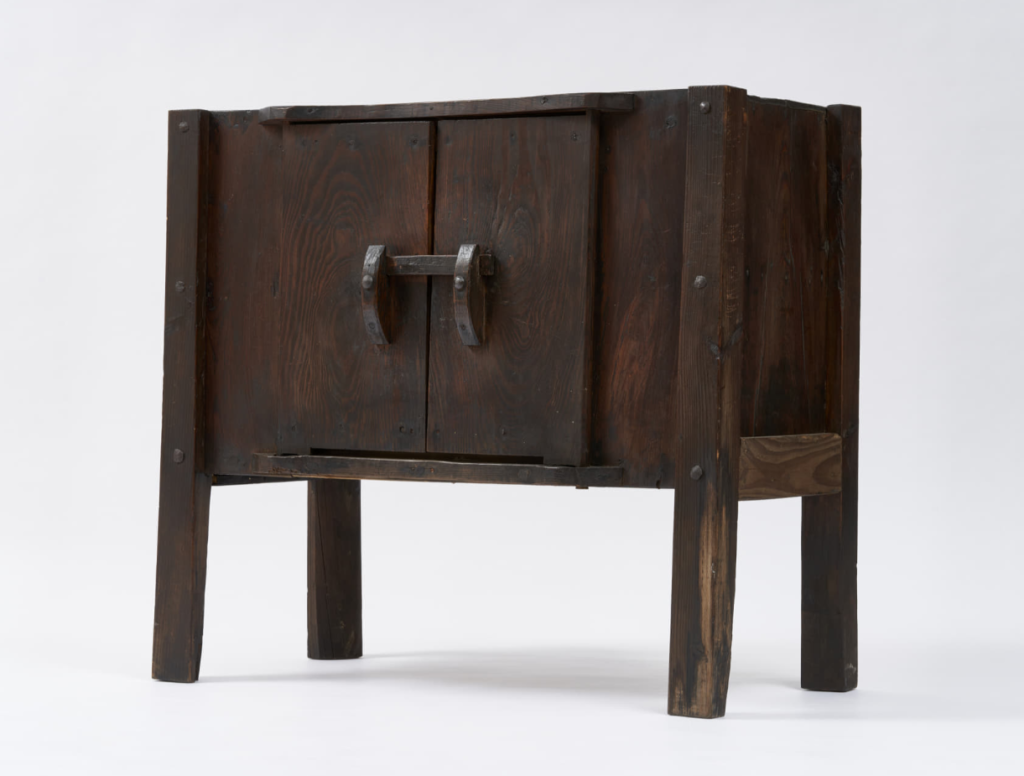
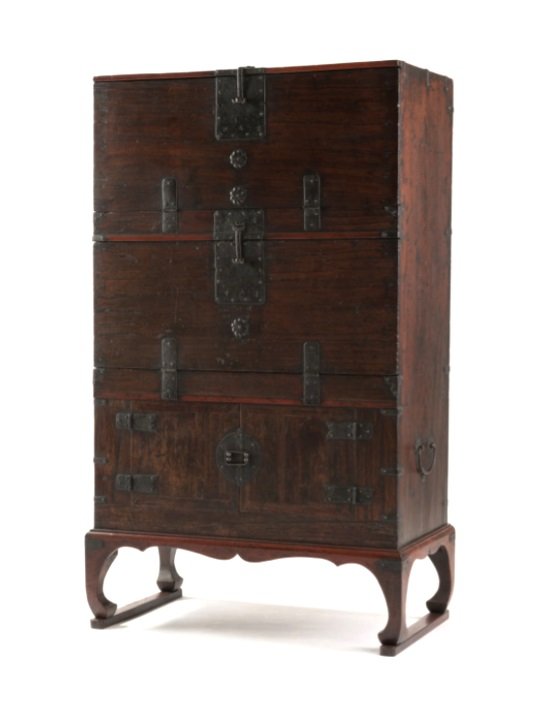
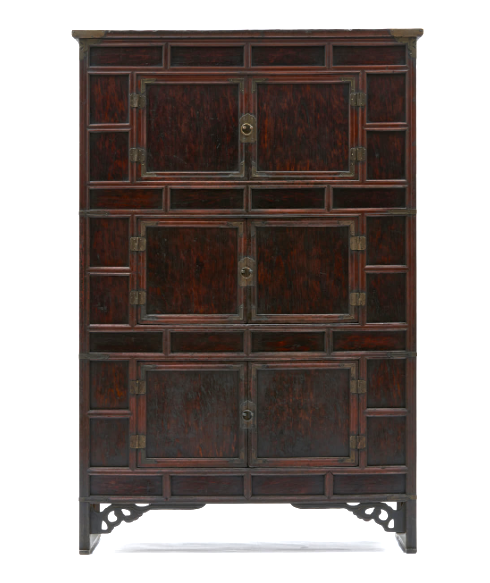
H. 127,5cm, W. 77,5cm, D. 41,5cm.
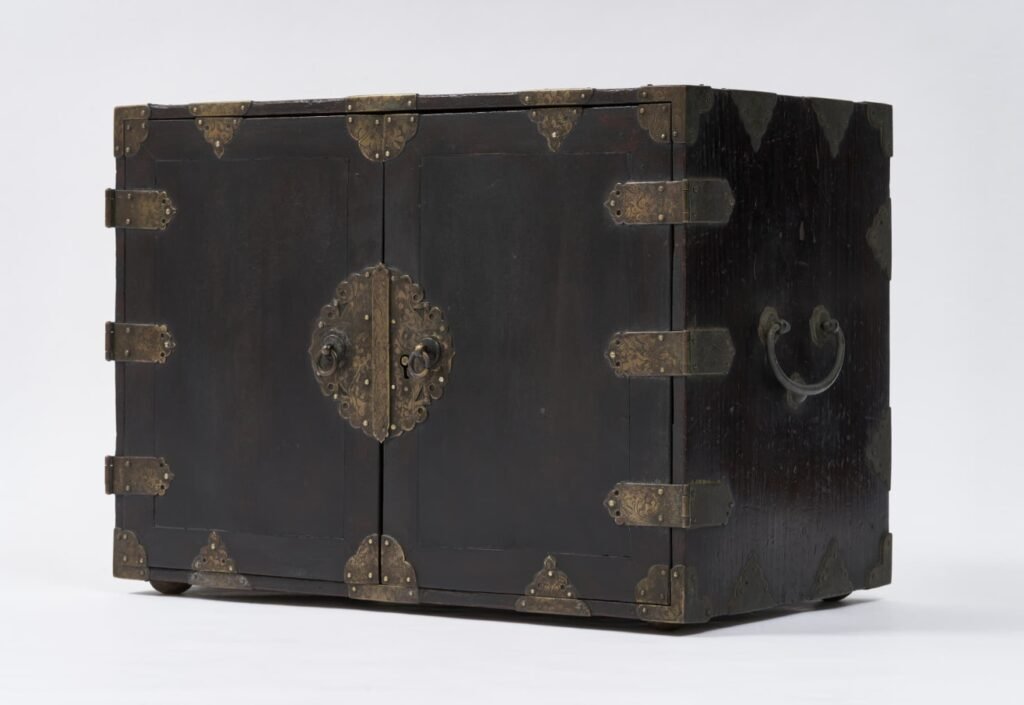
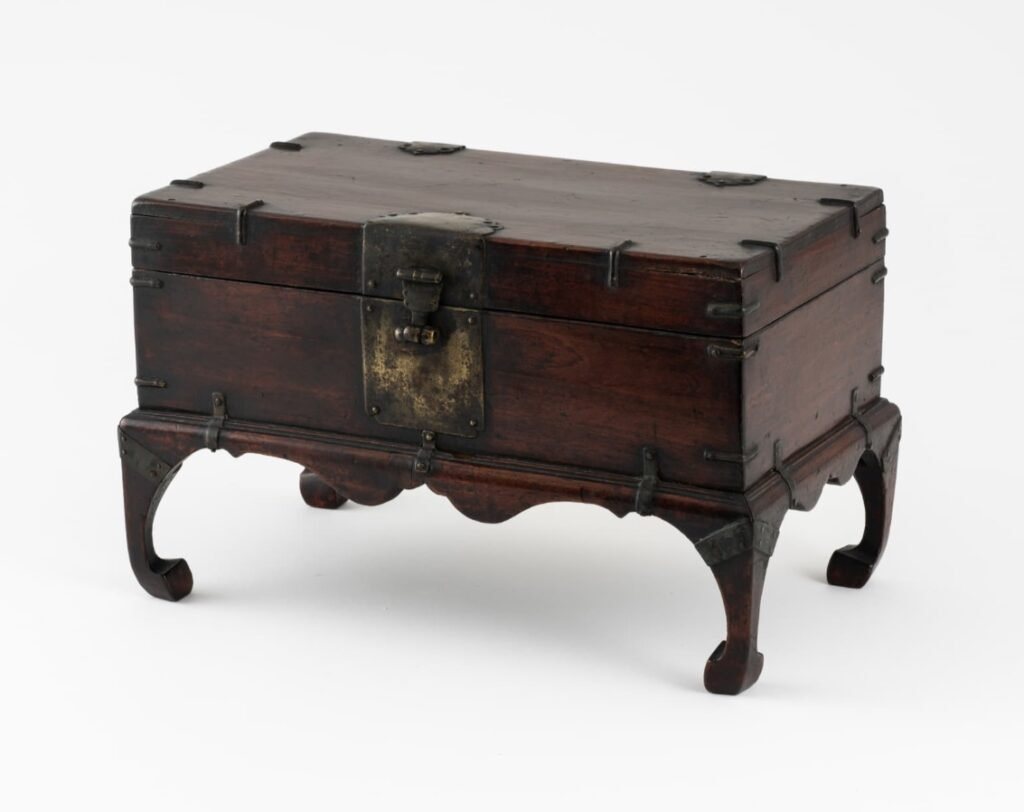
H. 20cm, W. 33,1cm, D. 17,5cm.
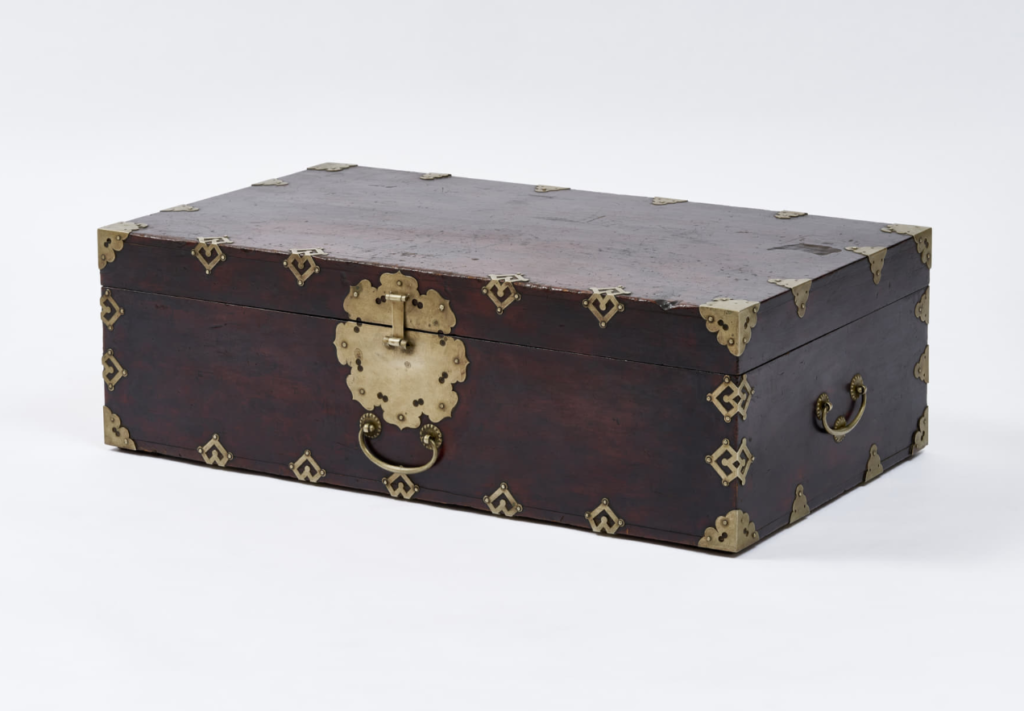
H. 22cm, W. 68,5cm, D. 37,8cm.
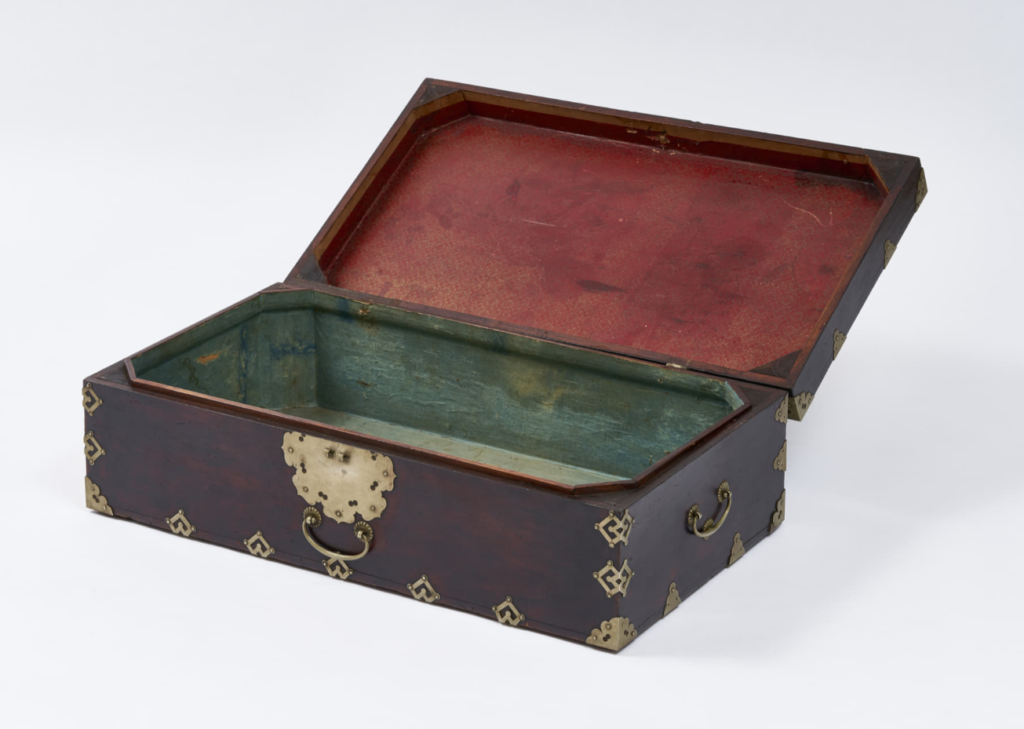
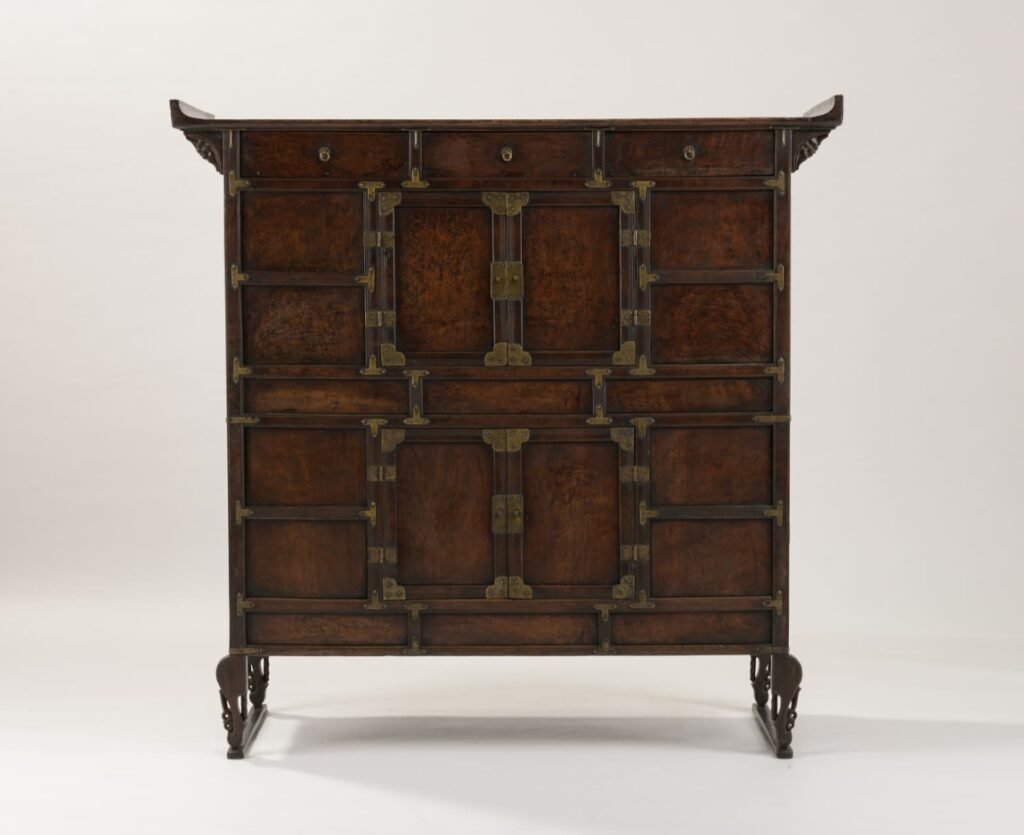
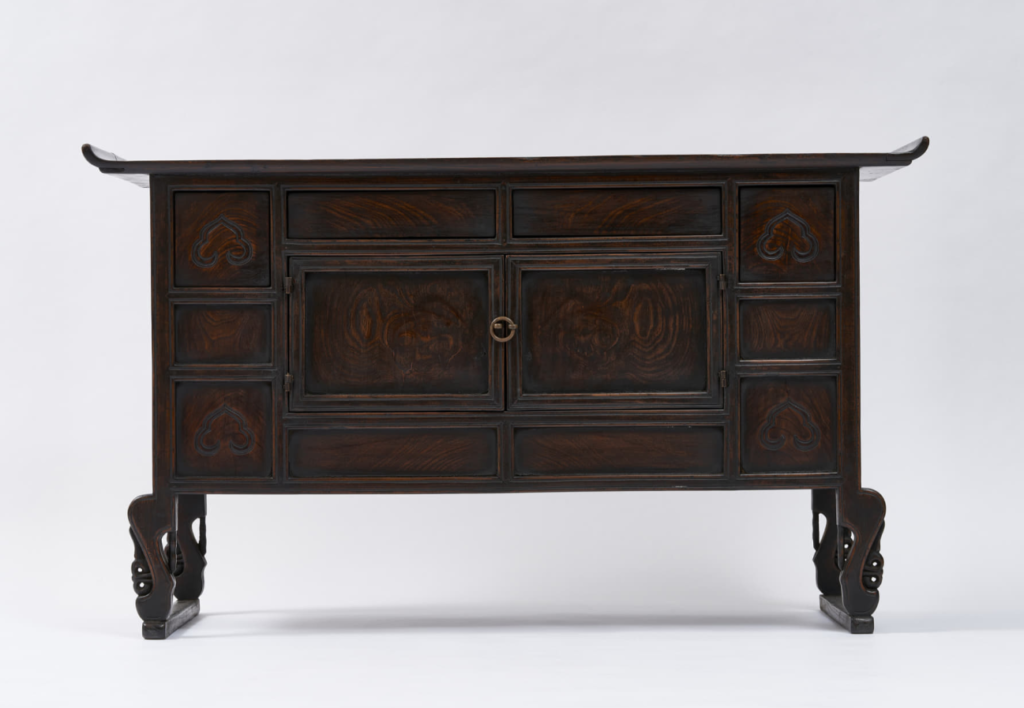
19th century.
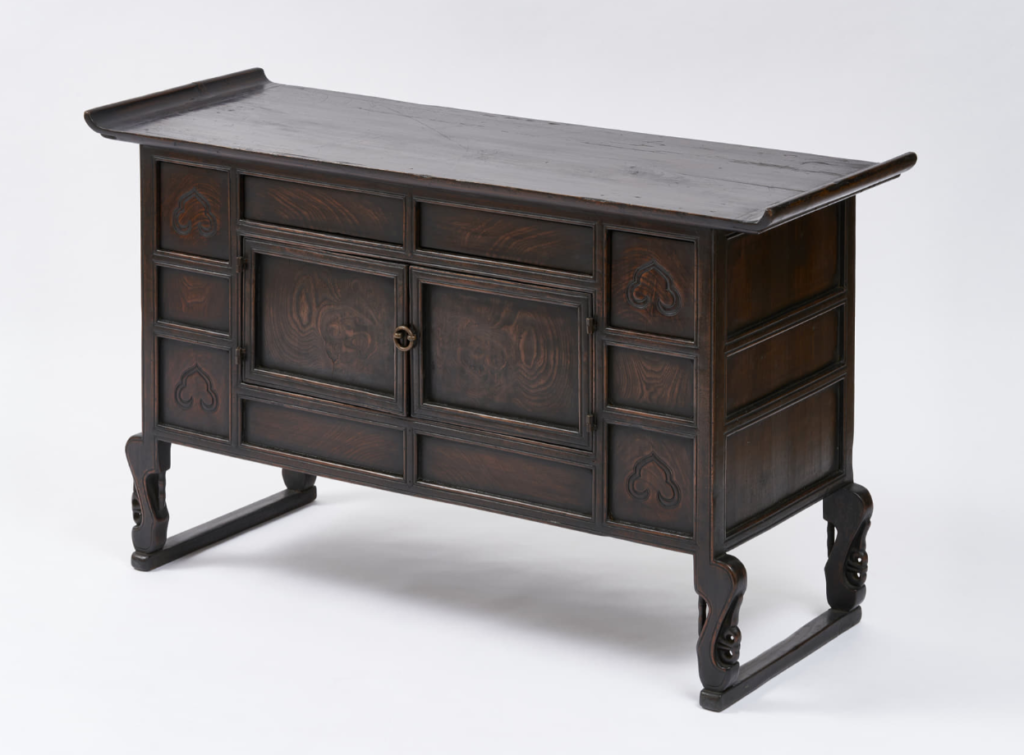
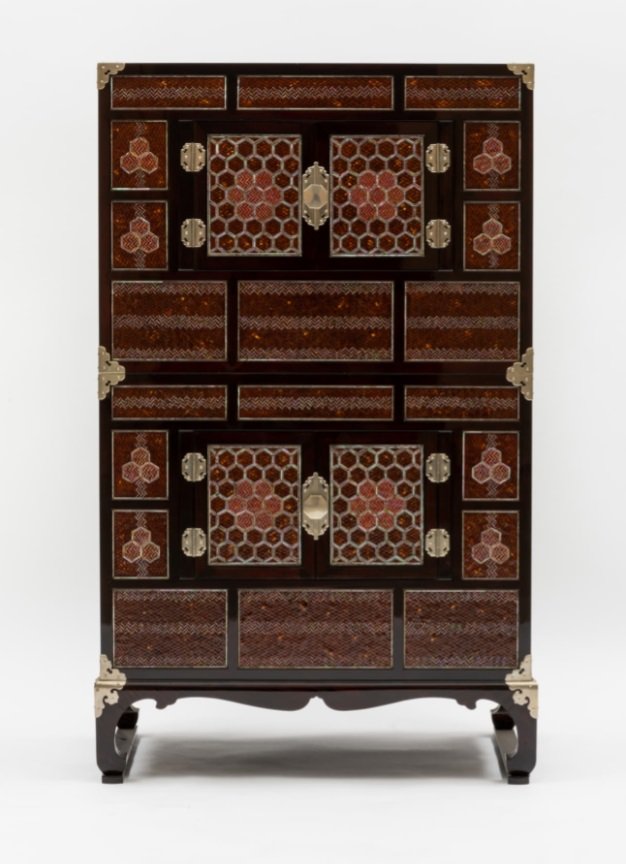
H. 117cm, W. 63cm, D. 41cm.
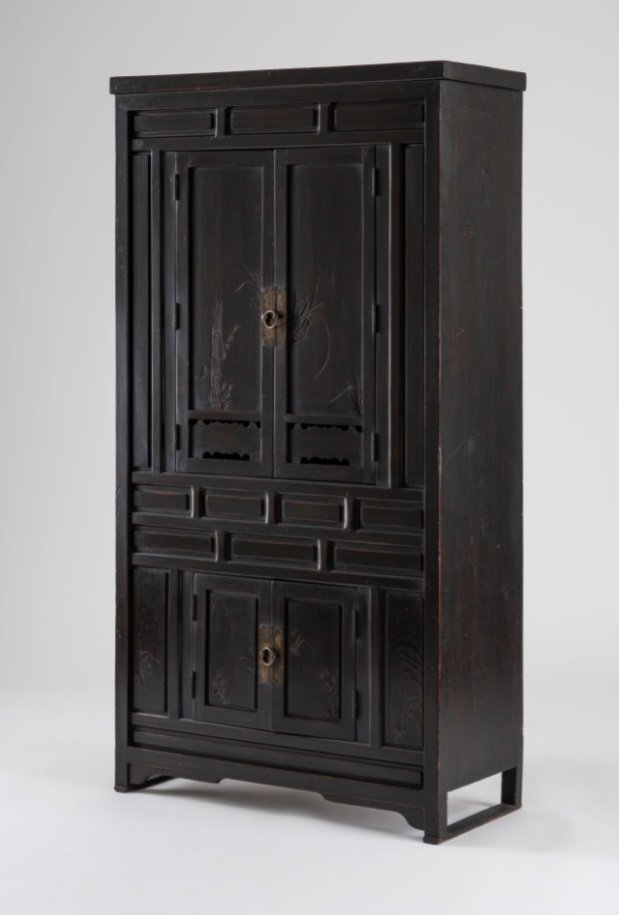
Late 19th century – early 20th century.
H. 149,6cm, W. 78,8cm, D. 33,8cm.
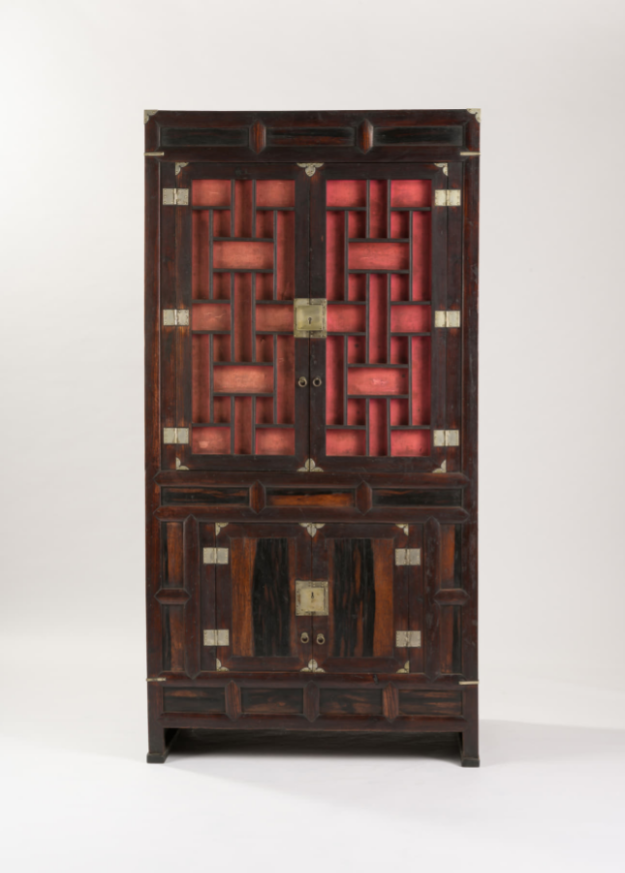
H. 163,5cm, W. 83,5cm, D. 52cm.
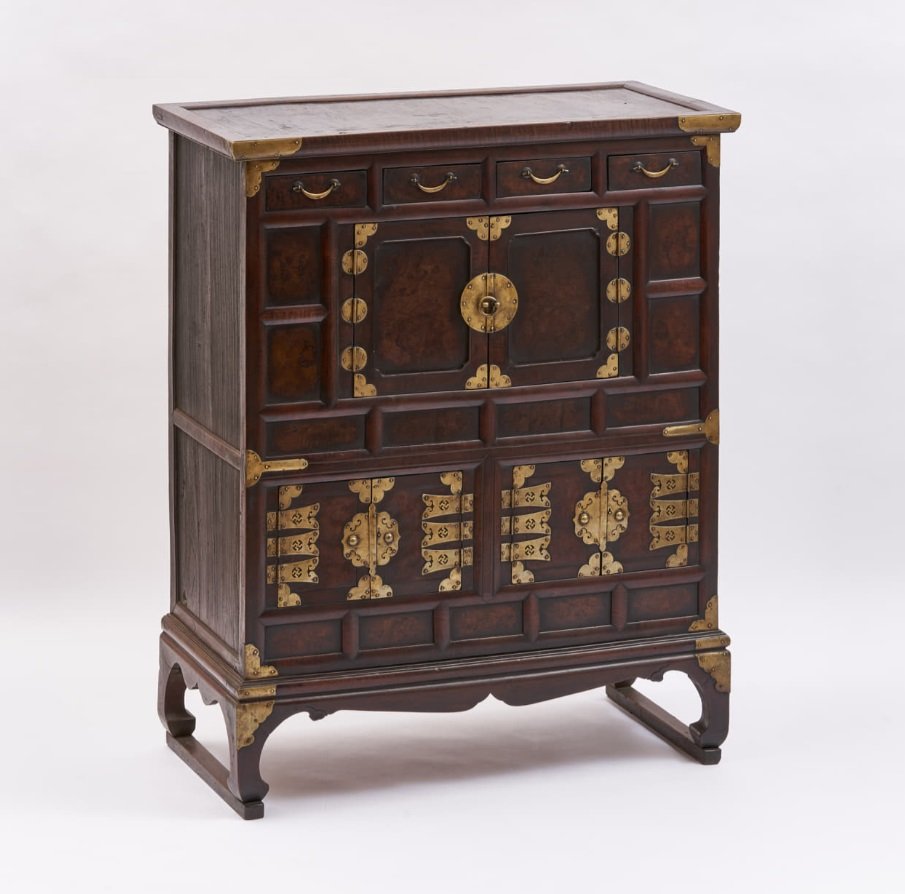
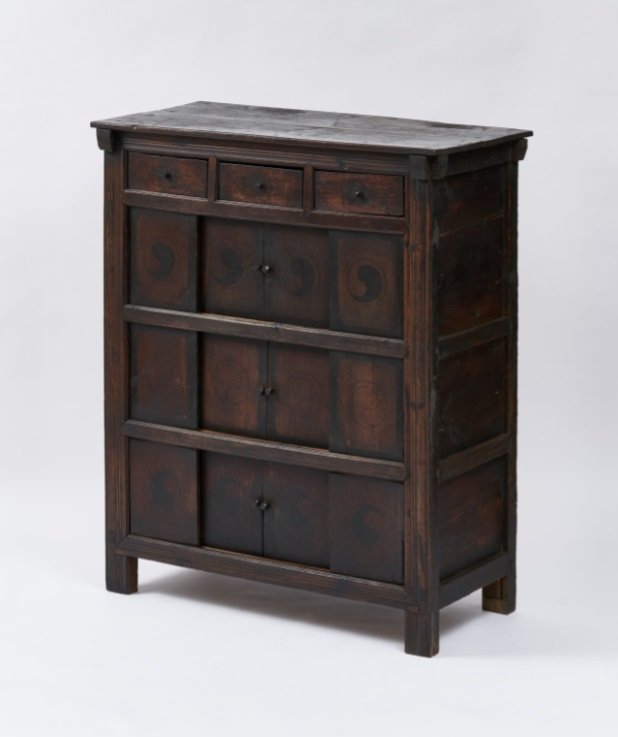
H. 117,5cm, W. 100cm, D. 47cm.
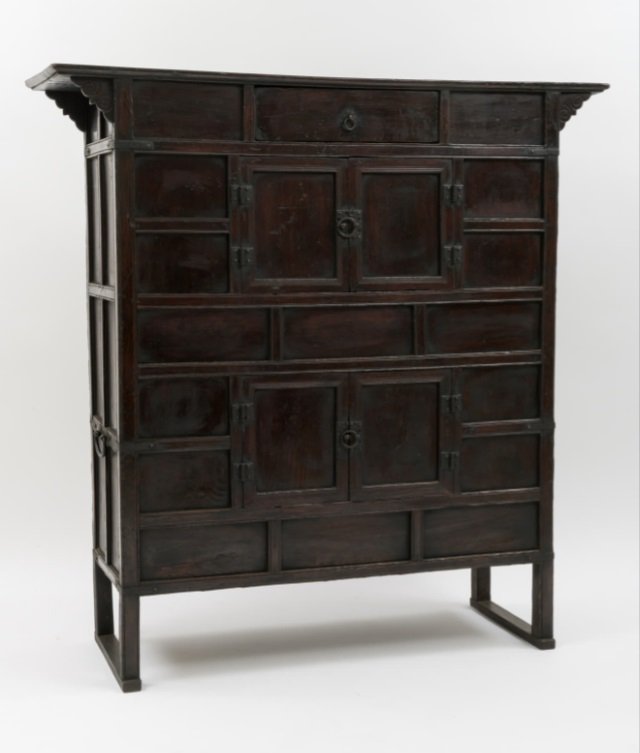
H. 119,5cm, W. 115,5cm, D. 36,5cm.
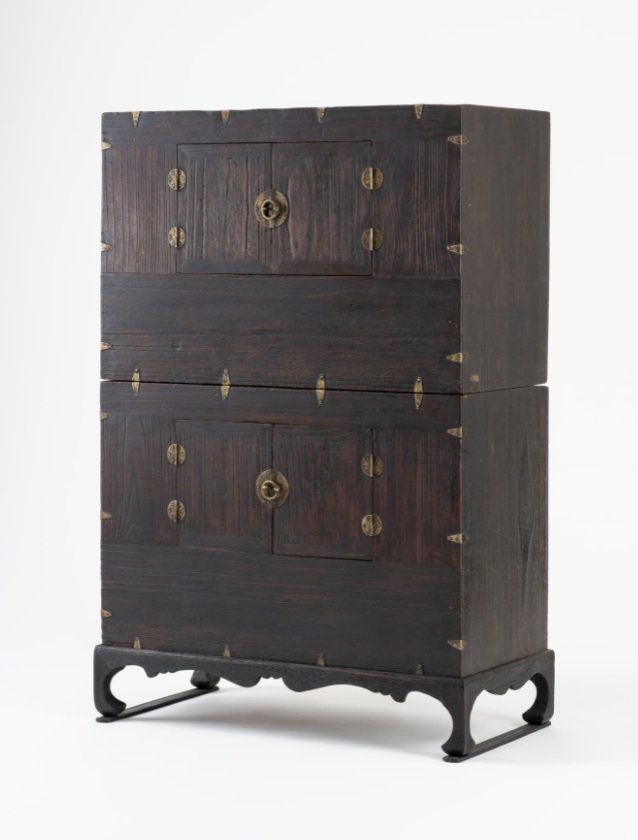
H. 116,5cm, W. 77cm, D. 37cm.
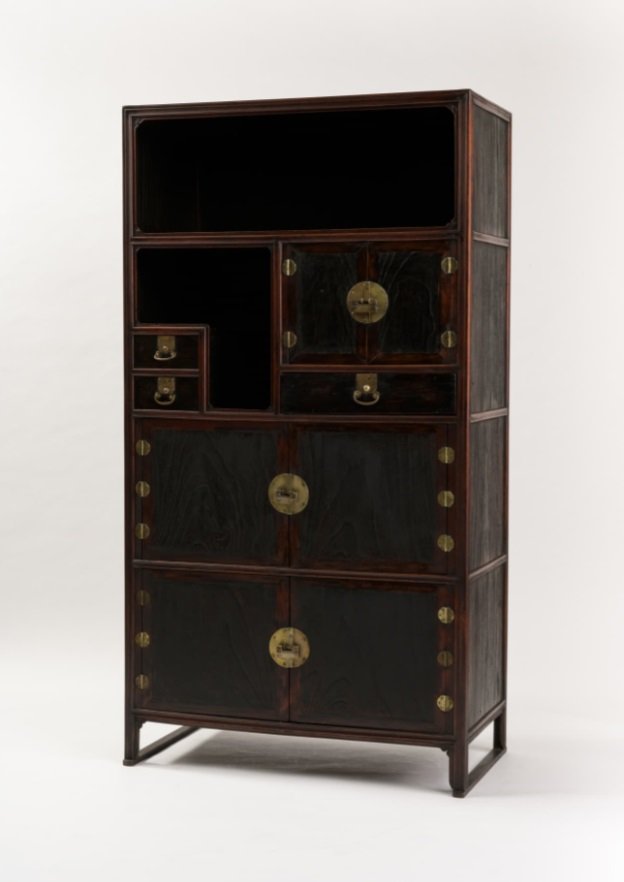
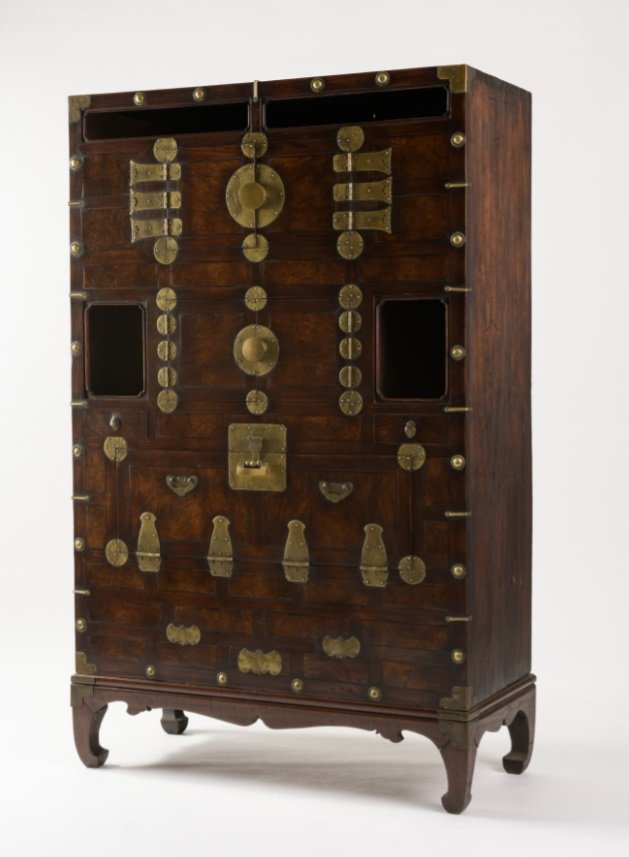
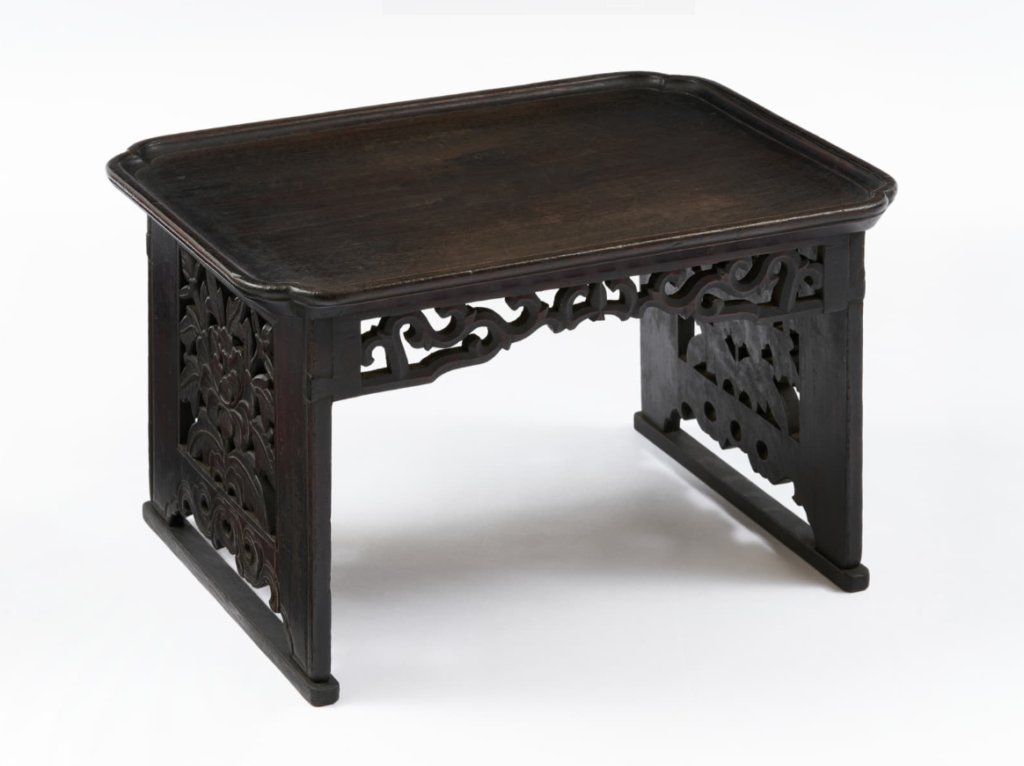
This small table is made in Haeju, Hwanghae province.
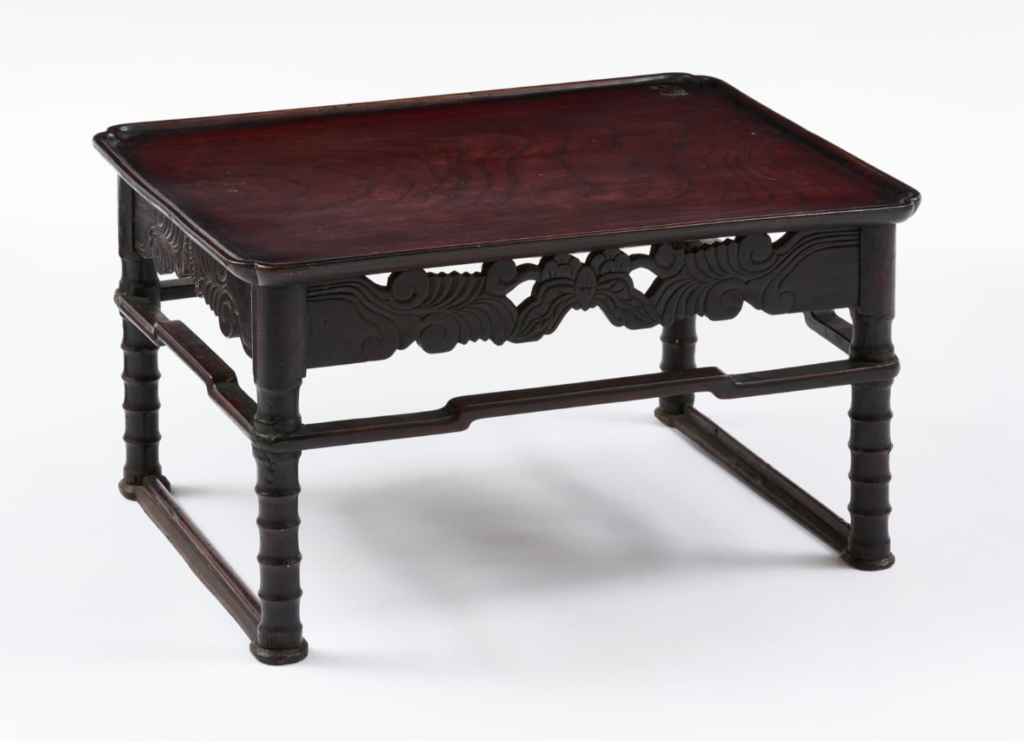
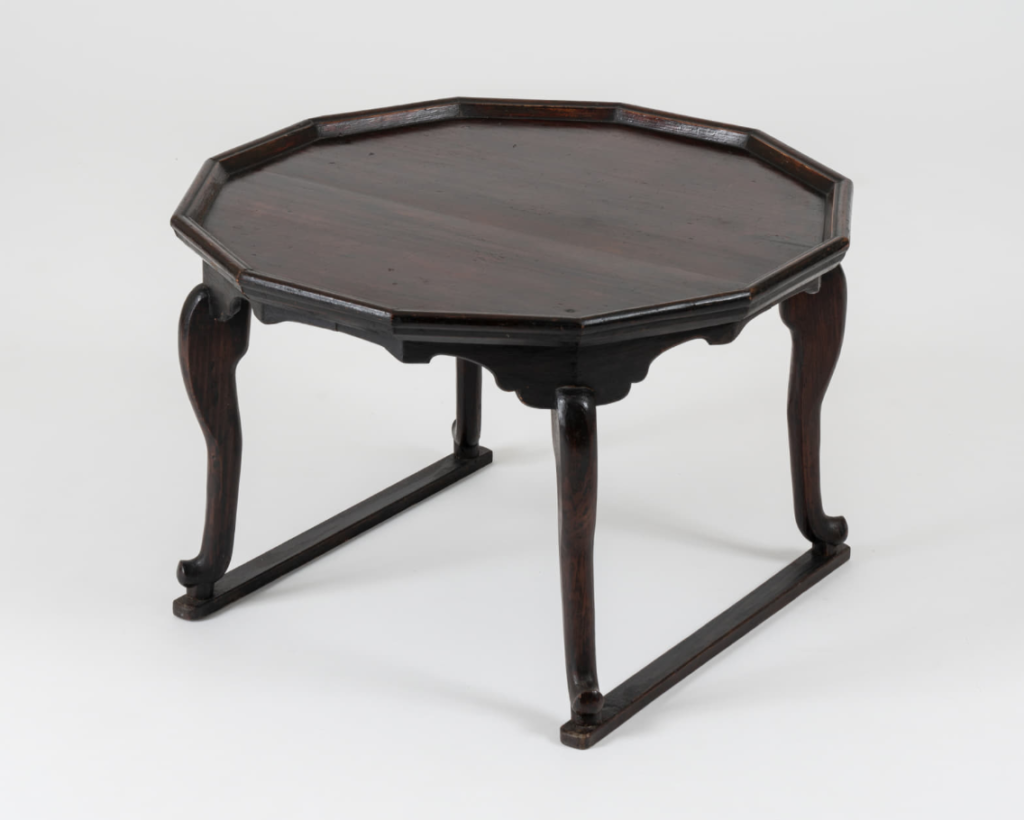
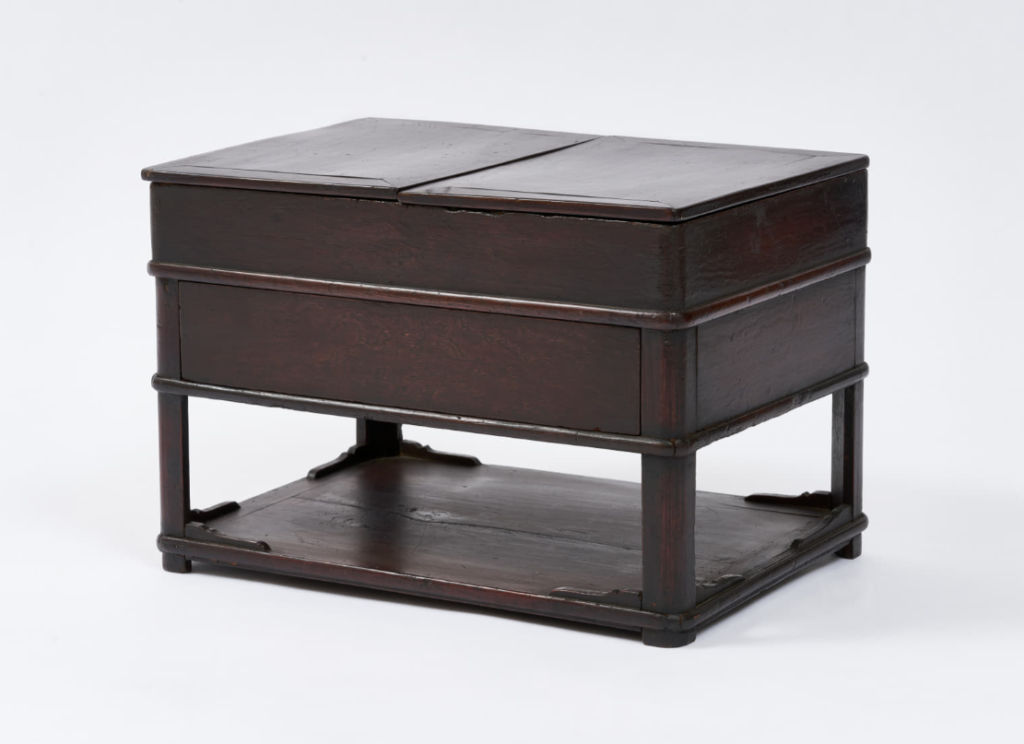
H. 25,9cm, W. 38,1cm, D. 26cm.
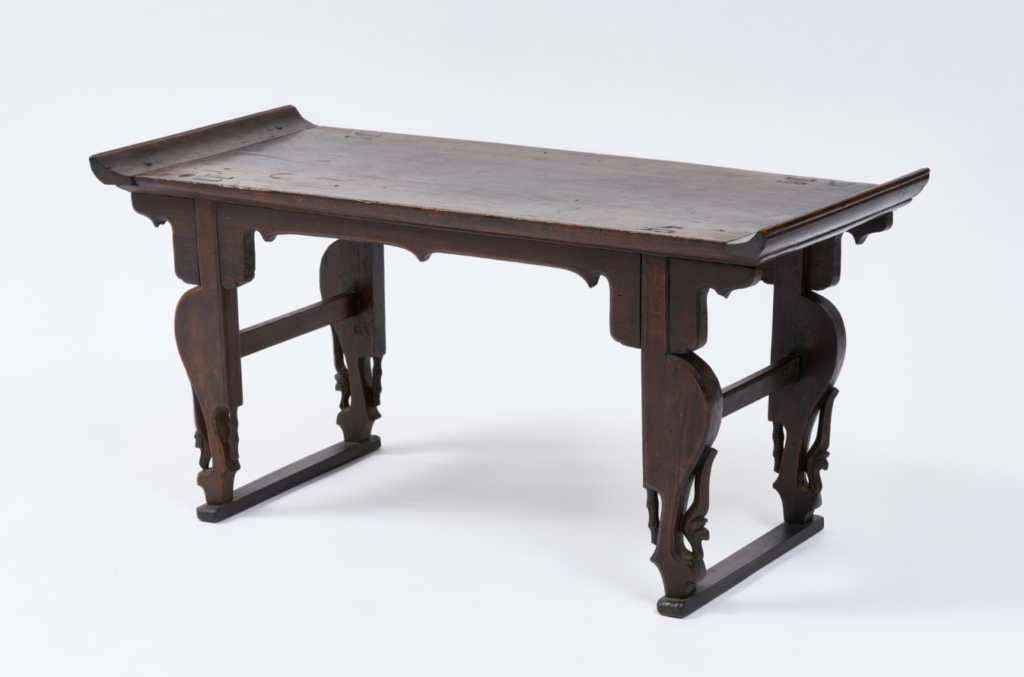
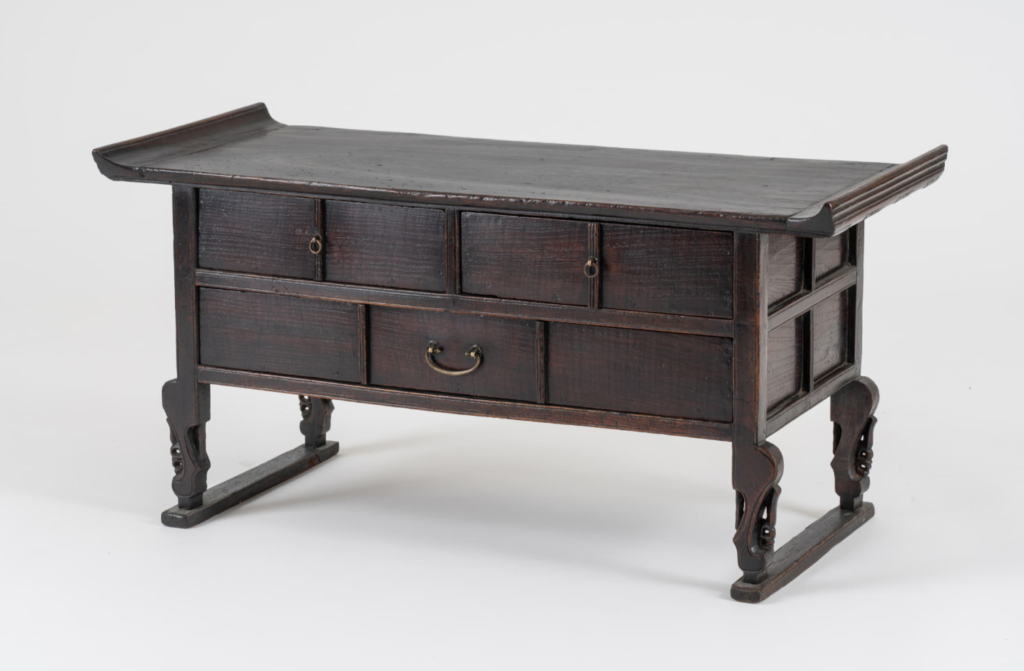
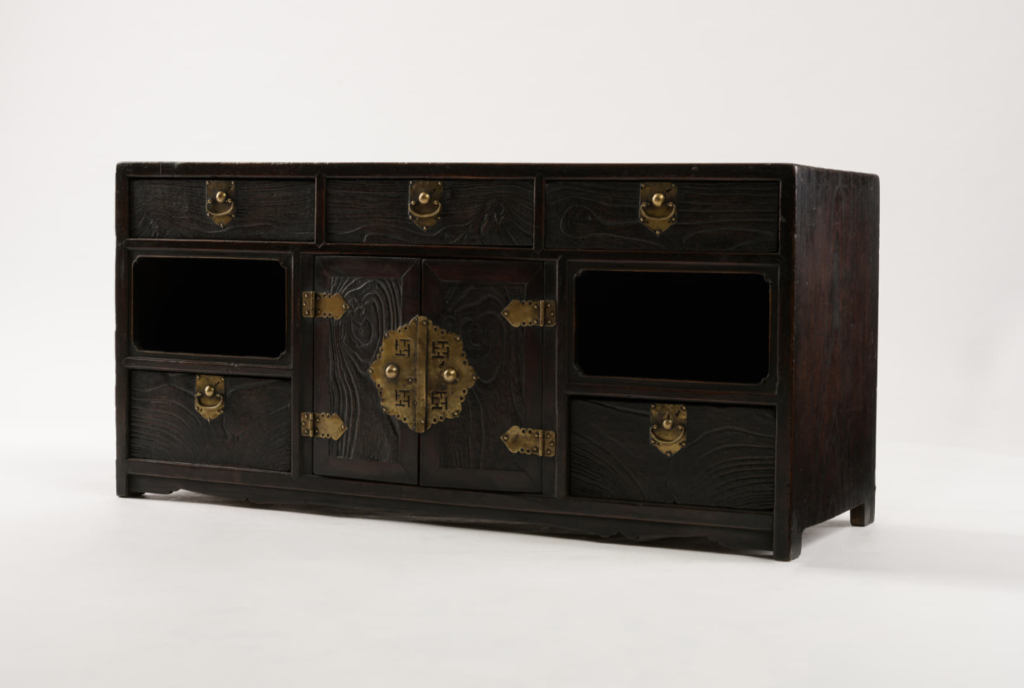
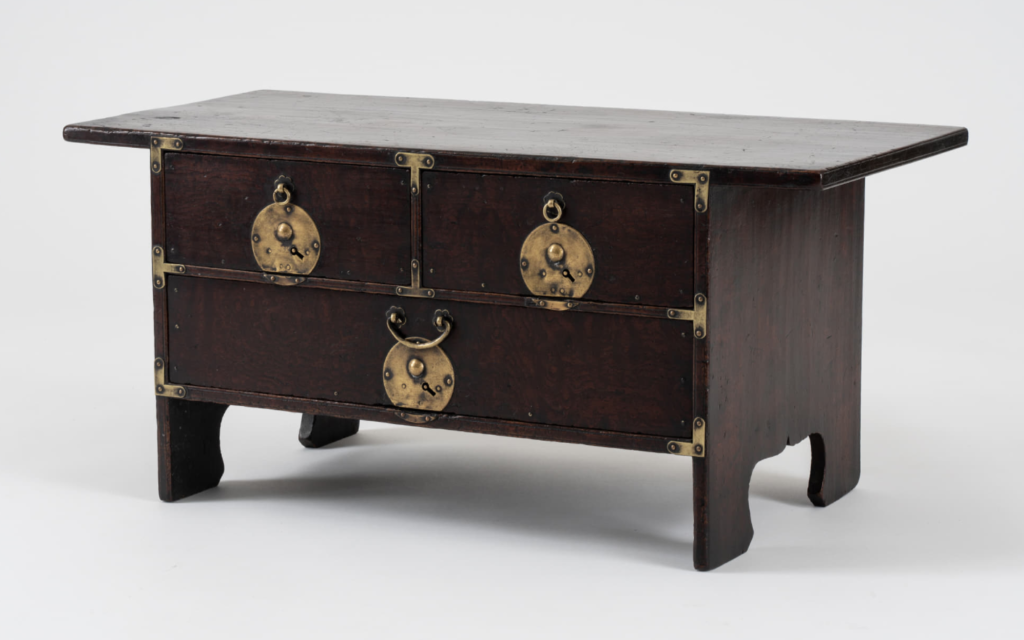
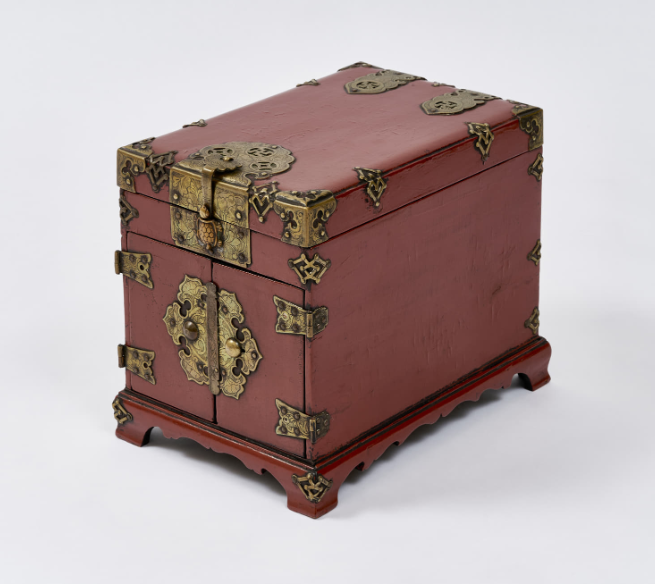
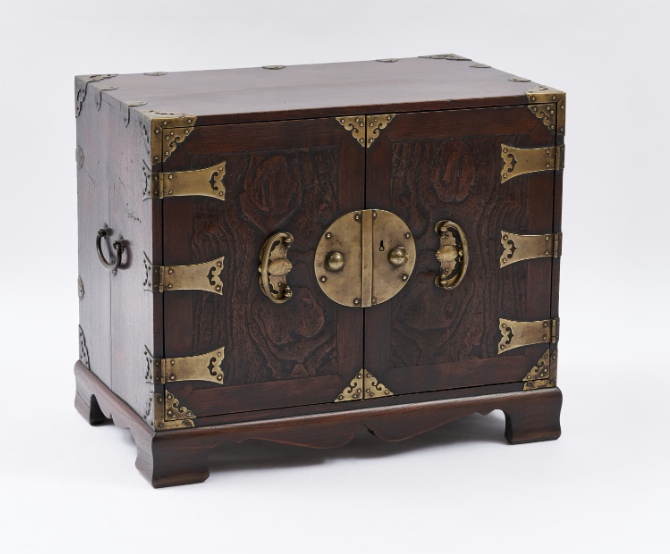
H. 51,3cm, W. 61,2cm, D. 36cm.
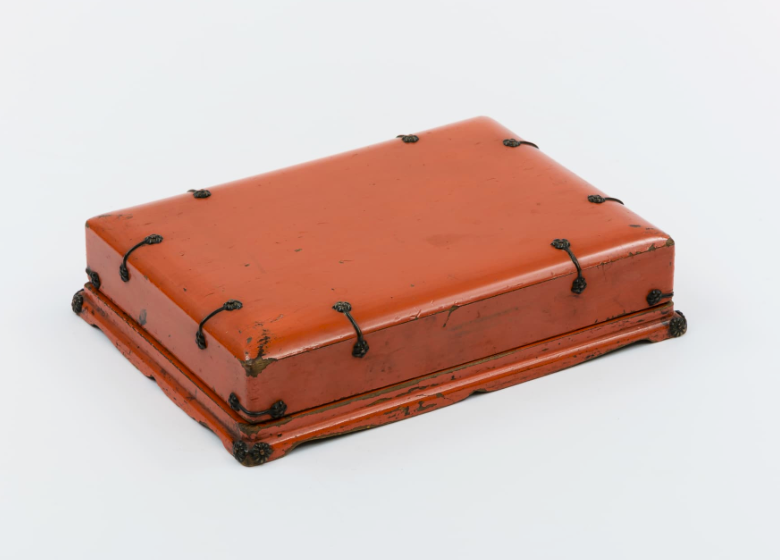
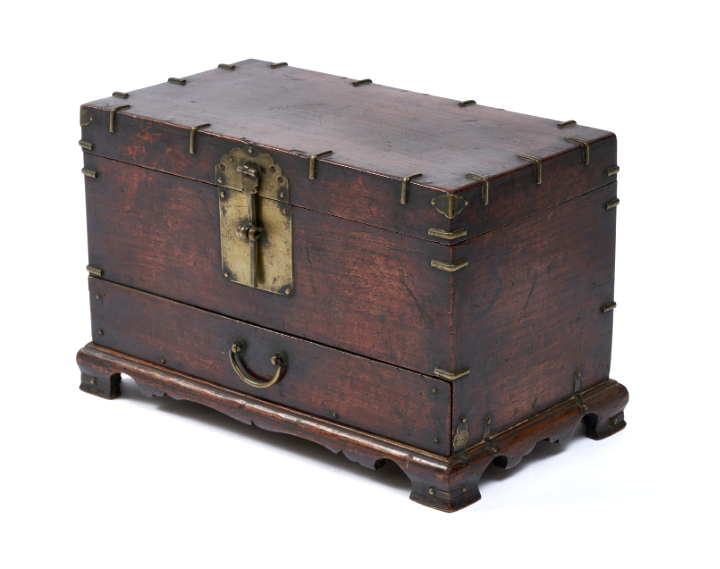
H. 21,8cm, W. 35,3cm, D. 20cm.
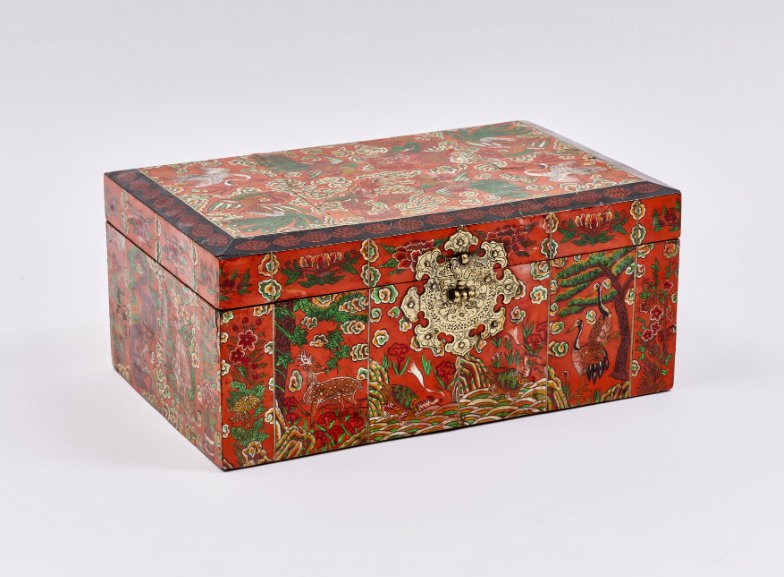
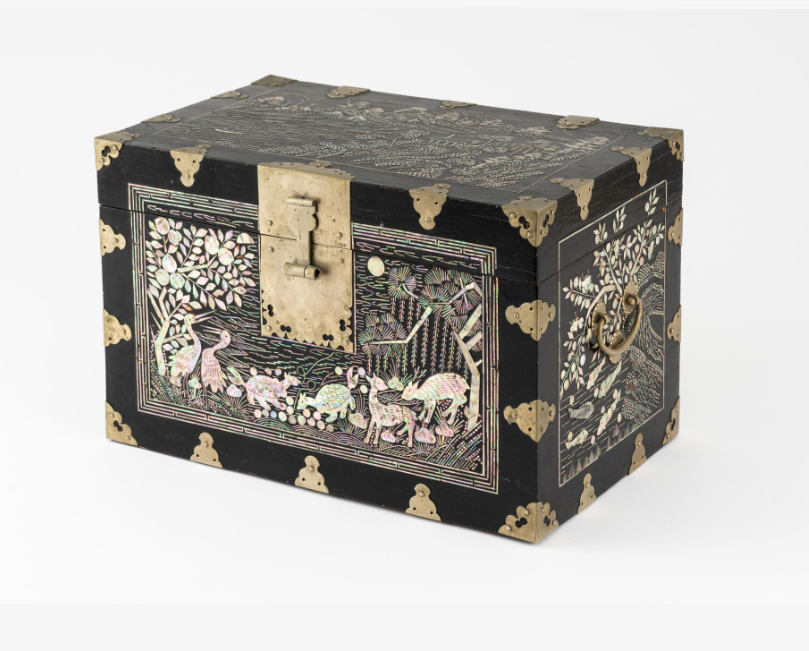
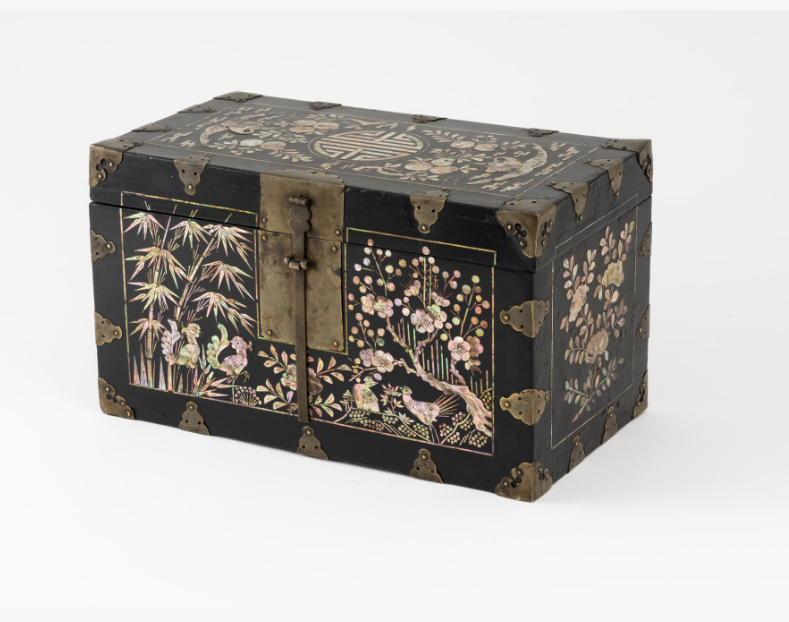
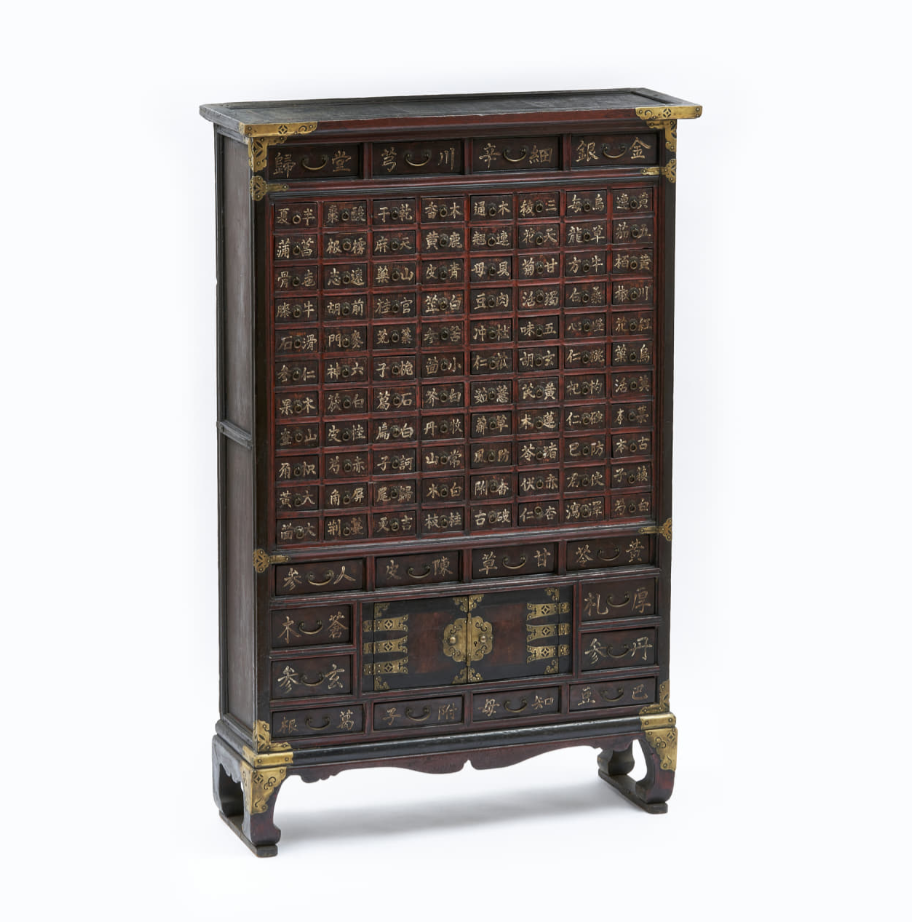
H. 148,5cm, W. 98,2cm, D. 29cm.
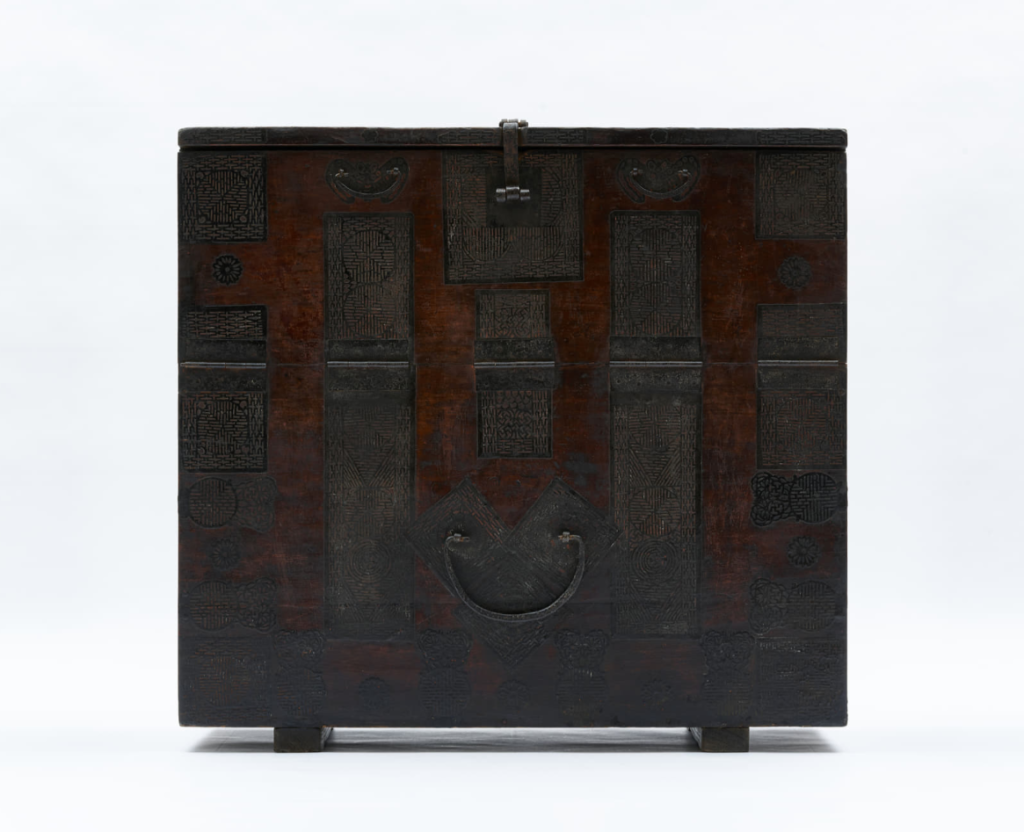
19th century. Pakchon area, Pyongan province.
H. 82cm, W. 87cm, D. 40,5cm.

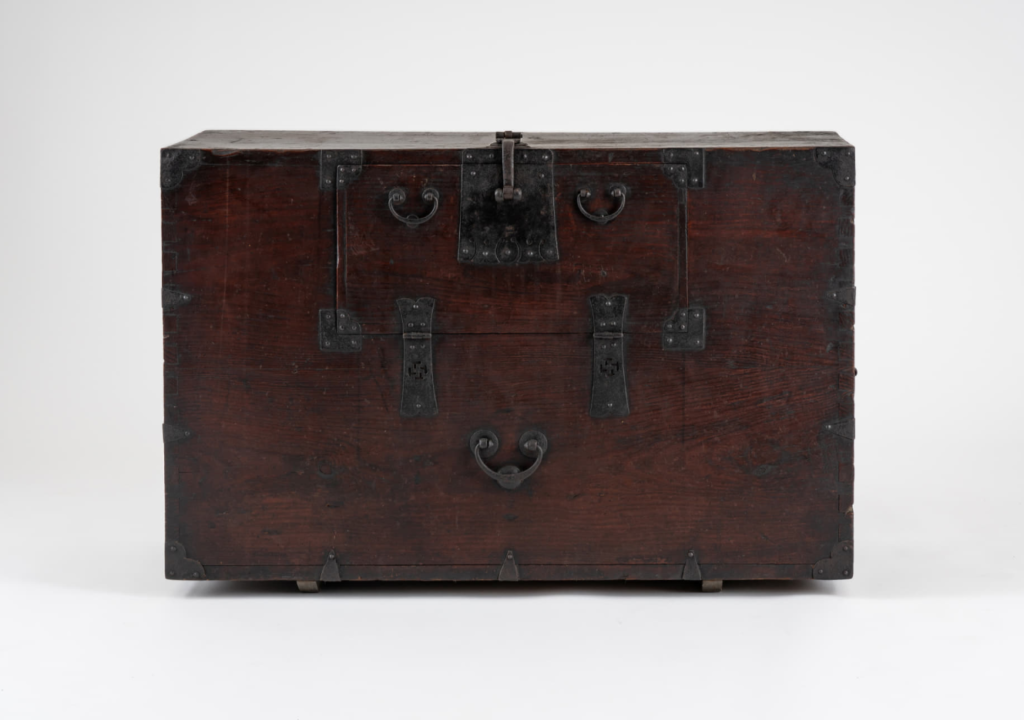
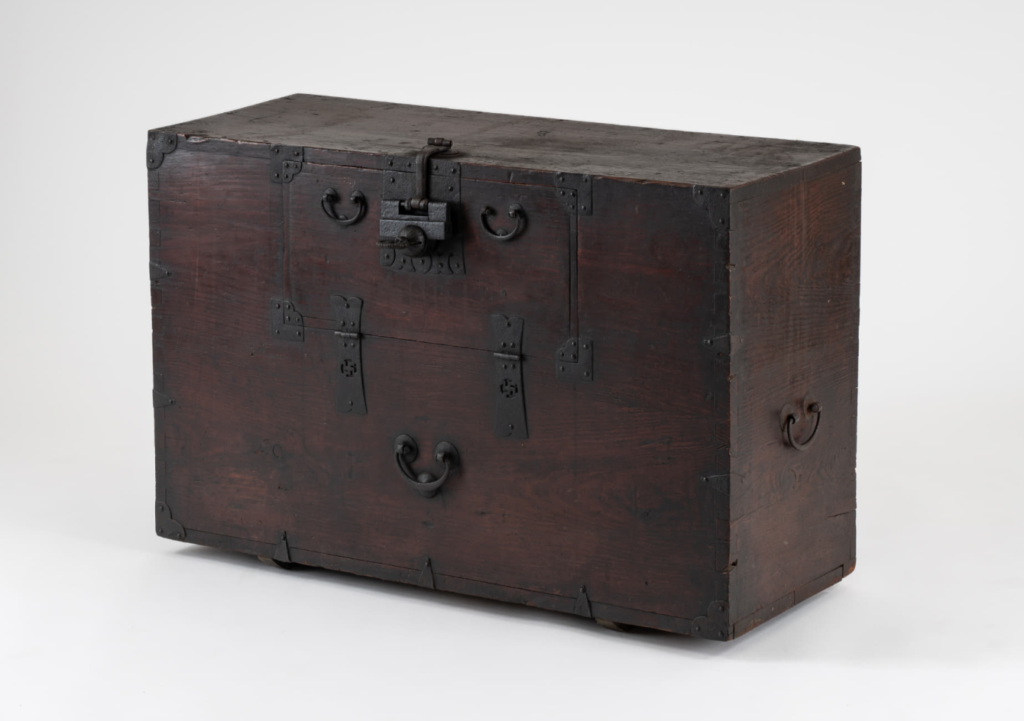
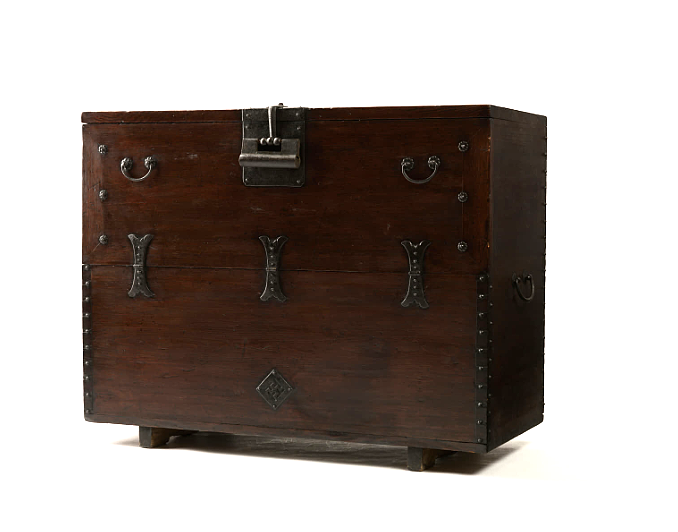
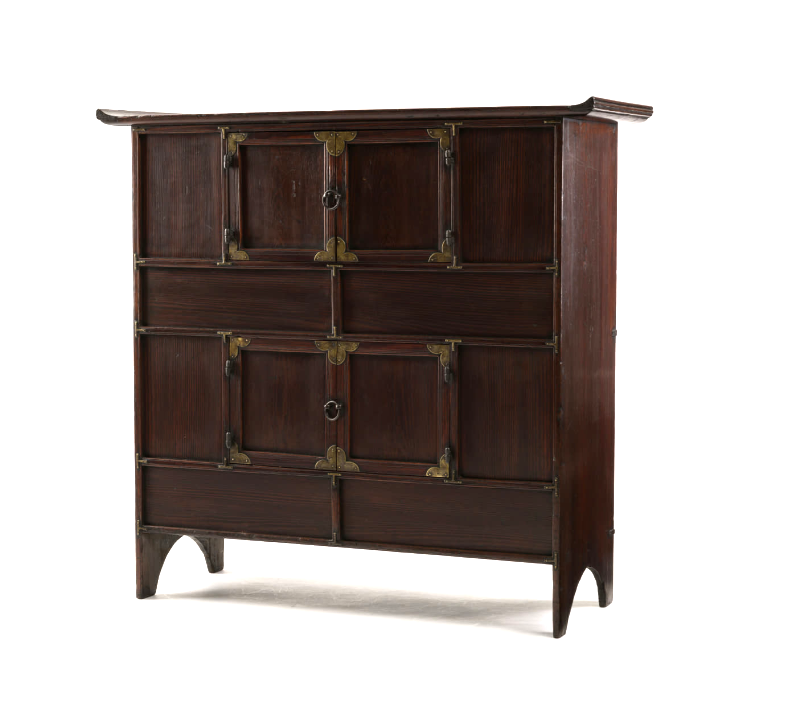
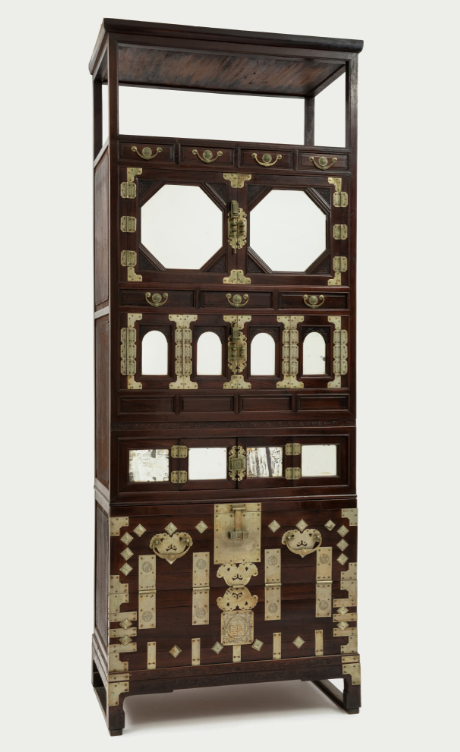
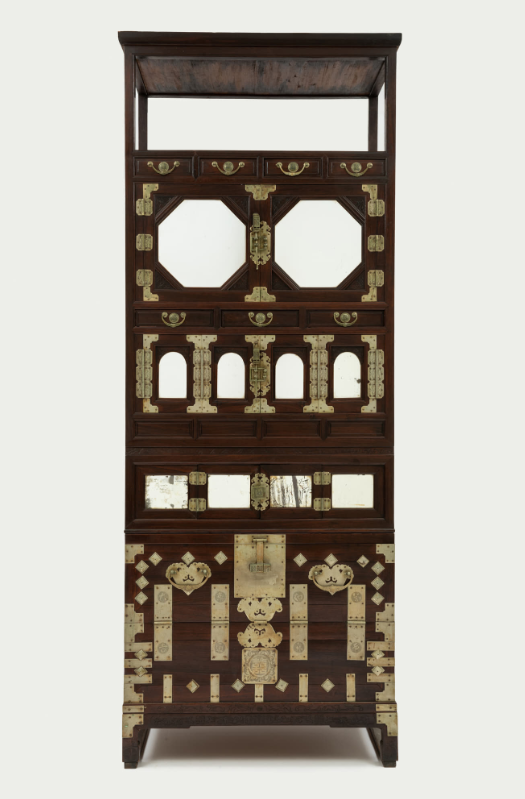
Early 20th century, Japanese occupation.
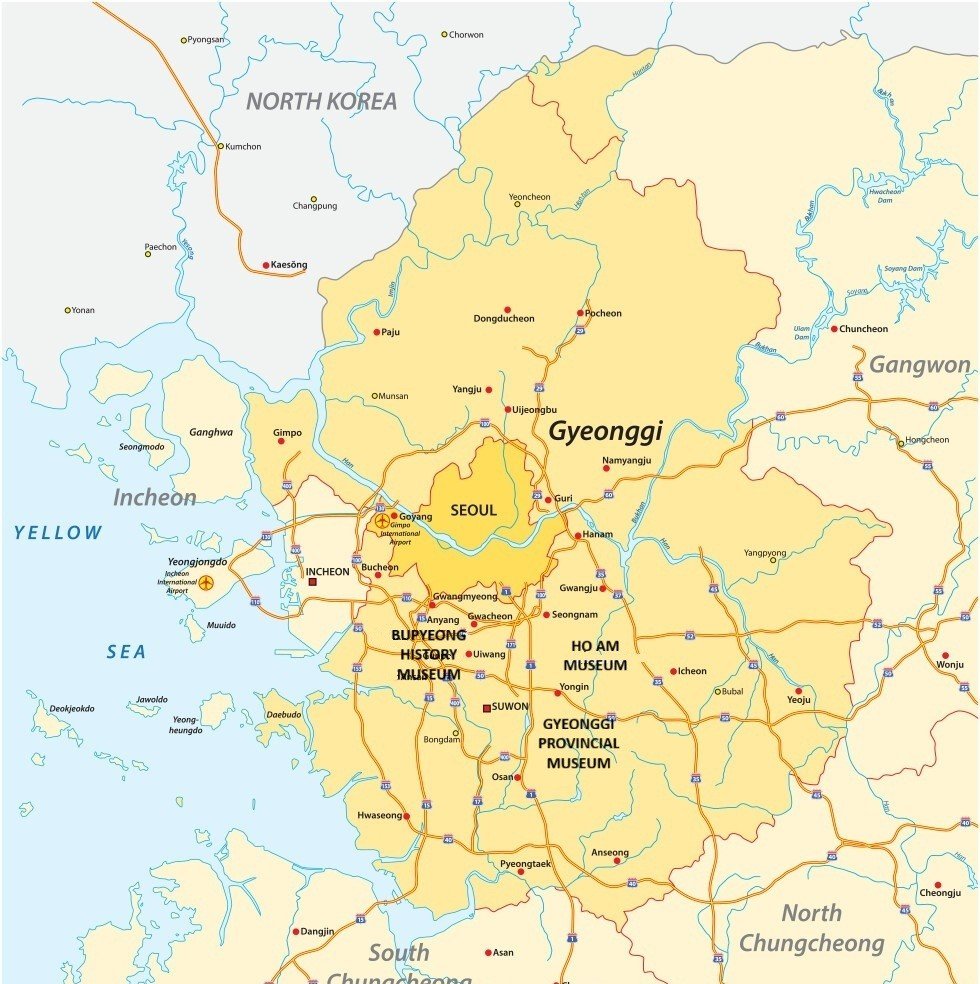
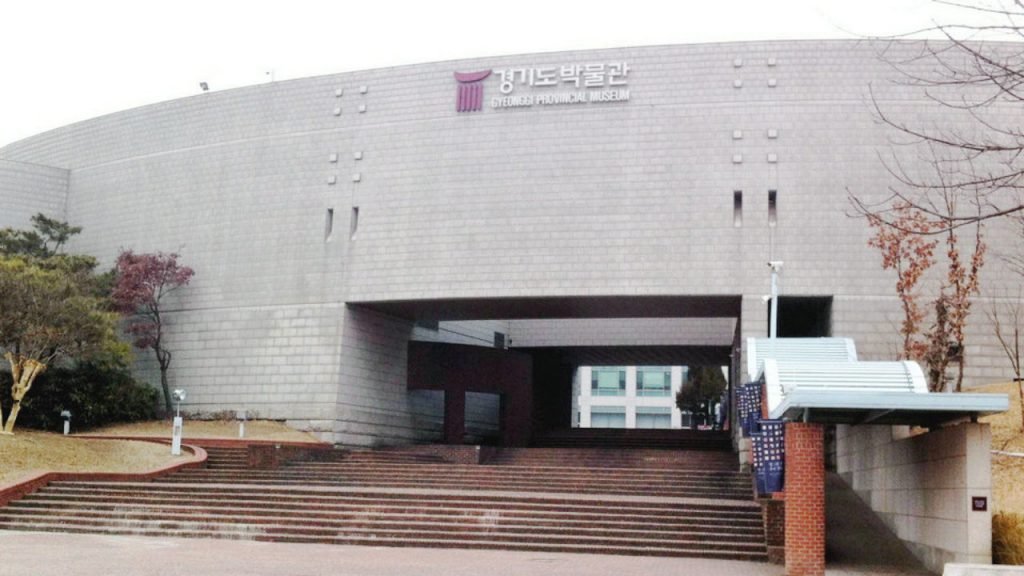
GYEONGGI PROVINCIAL MUSEUM.
Gyeonggi Provincial Museum has six permanent exhibition spaces and one special exhibition space. Permanent exhibition halls include a hall of Gyeonggi-do history, as well as halls for archaeology, art, documentary materials, folk customs, and a hall for donated relics. Each exhibition space describes the history and culture of Korea, including Gyeonggi-do, through a variety of artifacts, including porcelain, literature, costumes excavated from ancient tombs, calligraphic paintings, and folk crafts.
Link: Gyeonggi Province Museum.
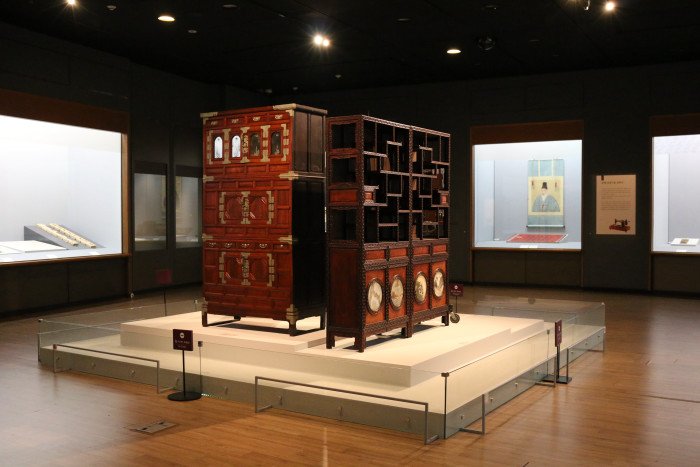
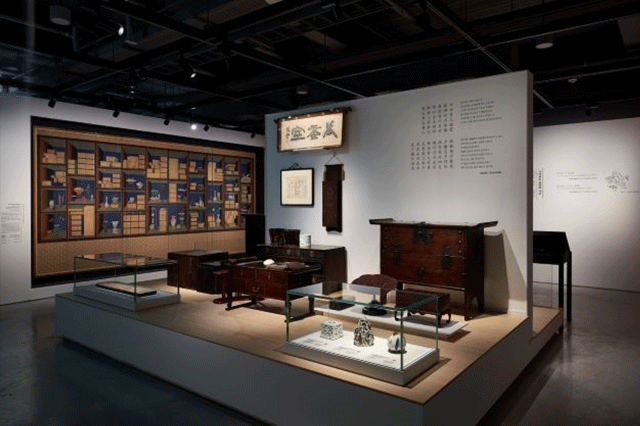
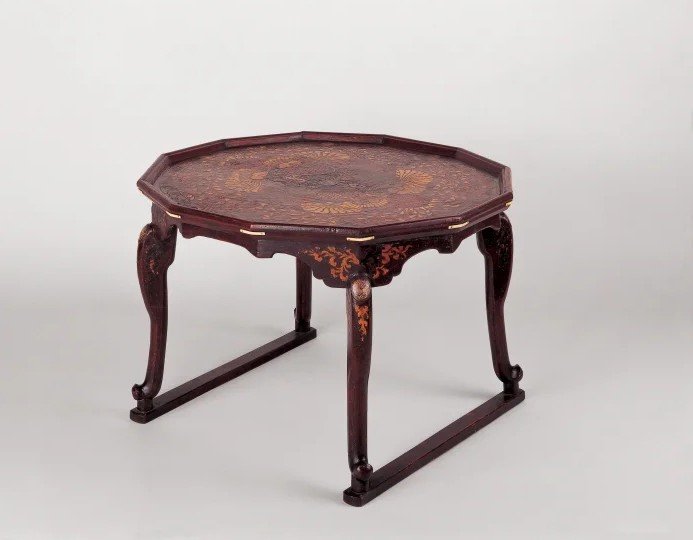
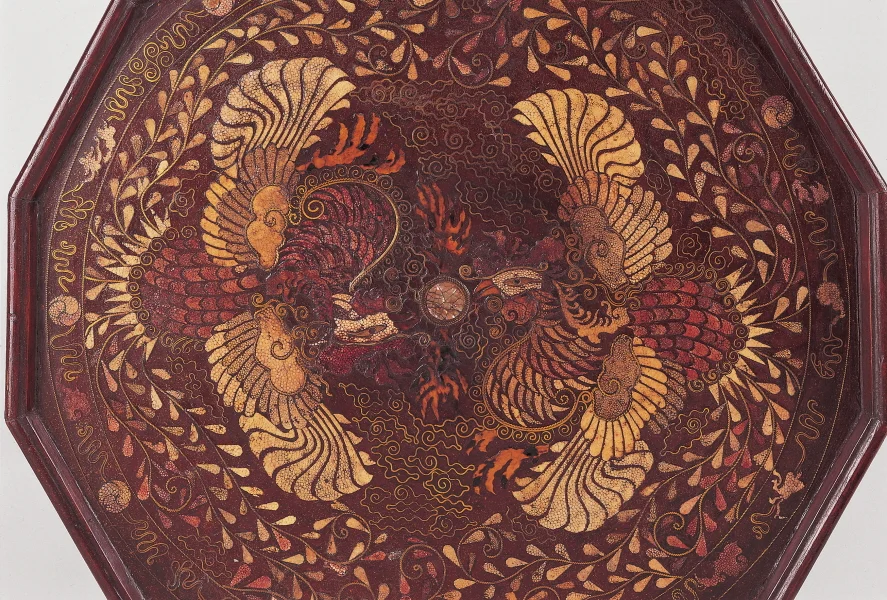
In the style of Baekgol Soban, the entire soban, made of pine, was painted with vermilion. The top plate has 12 angles, resembling a Hojokban (虎足盤). The top plate is adorned with two phoenixes, their wings outstretched. Surrounding the beacon fire and the frame, it is finished with two twisted copper wires and a Taegeuk pattern crafted from fish skin. On the lower side of the top plate, a floral pattern was placed, along with a Taegeuk pattern made from fish skin and a Bagua pattern. This piece dates back to the late 19th century, with dimensions of H 41,4 cm and a diameter of 65 cm.

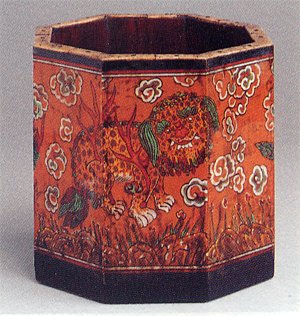
The rim was added with ivory and was fixed with 16 bamboo nails.
Dragons, haetae, turtles, and giraffes were prominently decorated on the body, and clouds, flowers, grass, and rocks were arranged around the body.
The lower part was separately made of wood and fixed with 8 bamboo nails.
It is a work that shows bright colors and sophisticated workmanship. 19th century,
H. 13,3cm, Diameter. 13,5cm
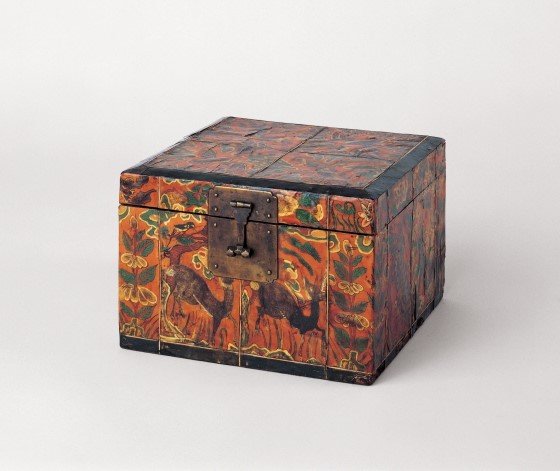
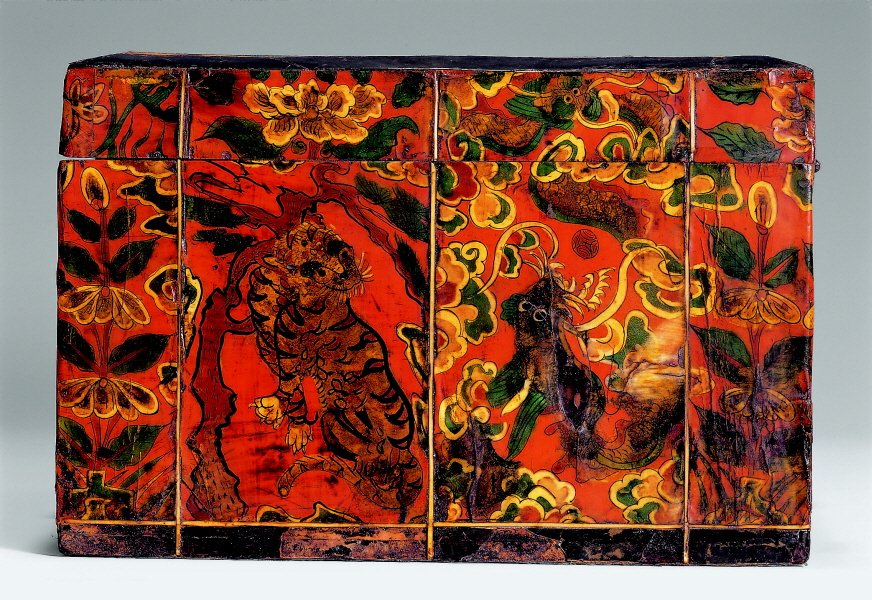
The lid is divided into four parts and decorated with a phoenix and a crane facing each other diagonally.
The body is divided into 12 parts and patterns are put in, and the front extension is made of tin feldspar.
The inside is covered with paper, there is a lid, and the angles of the four corners are preserved.

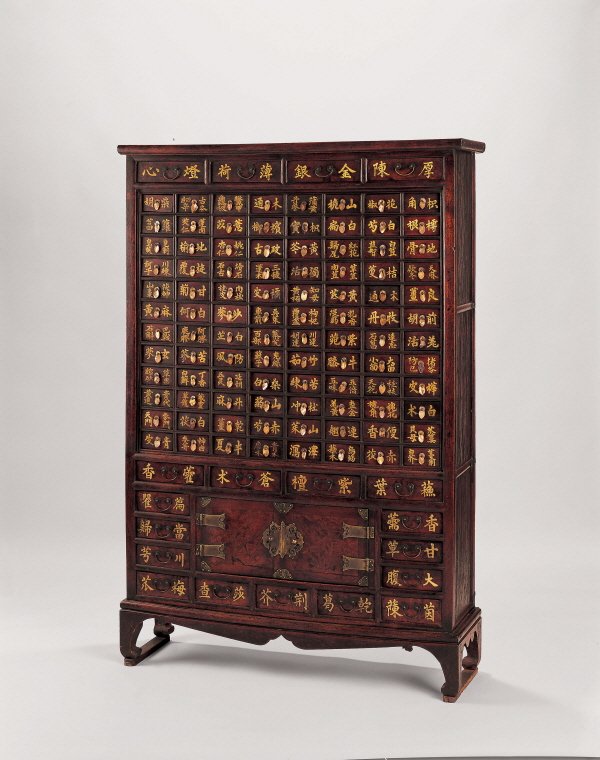
Pine, paulownia and elm wood. H. 162cm, W. 108cm.
The shape of the outer thread under the top plate and the base plate at the bottom of the medicine cabinet, wind hole, foot tube, and foot stand show the characteristics of the Gyeonggi medicine chest.
The aggregate and top plate are made of pine, and paulownia wood is used for the side panels, back plate and inside of drawers.
In the middle of the left and right side panels, two concave irons were placed, and the irons of the rear panels were treated with a straight line.
Overall, it is a two-tier structure, and at the bottom, a door plate was made like a wardrobe, and four drawers were separately placed in it.
In particular, all the handles of the drawers are decorated with abalone shells, which is very luxurious.
Judging from its sophisticated elegance, it is presumed to be for the royal court.

H. 113cm, W. 81 cm. The pillars and aggregate are made of cedar wood, the inside of the drawer is made of zelkova wood, and the side panels and back plate are made of pine.
Two drawers were made under the top plate, and a metal box was placed under the upper and lower door plates.
The handle of the drawer is in the shape of a bat, and the circular hinge is attached with feldspar brass.
The ear ornaments on the front are decorated with the Chinese character 卍 and the herb of immortality on the two ears of the top plate and the middle and lower parts.
Both the front and side of the legs had bat blood.
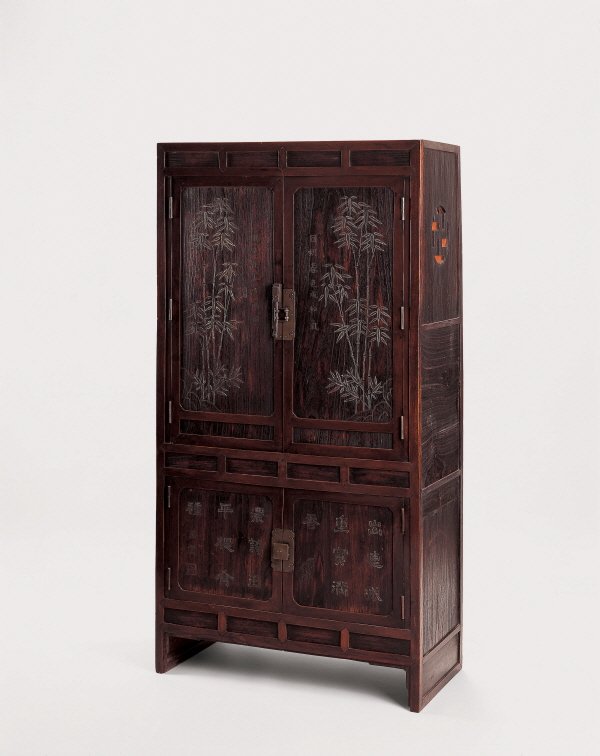
As a wardrobe that shows the characteristics of Seoul and Gyeonggi-do, it took the style of adding iron wood to the bottom of the door plate.
The side panels are paulownia wood, the pillars are pear wood, the back panel is pine wood, and the fittings are made of brass.
A middle barrier was placed at the bottom of the upper door plate, and four rooms were installed in three places, top, middle, and bottom, and long horizontal timbers were installed.
Bamboo is engraved on the upper door panel, and the phrase ‘回烘春色成和气風弄花香作瑞烟’ is written between them, and on the lower door panel, ‘出連城重’
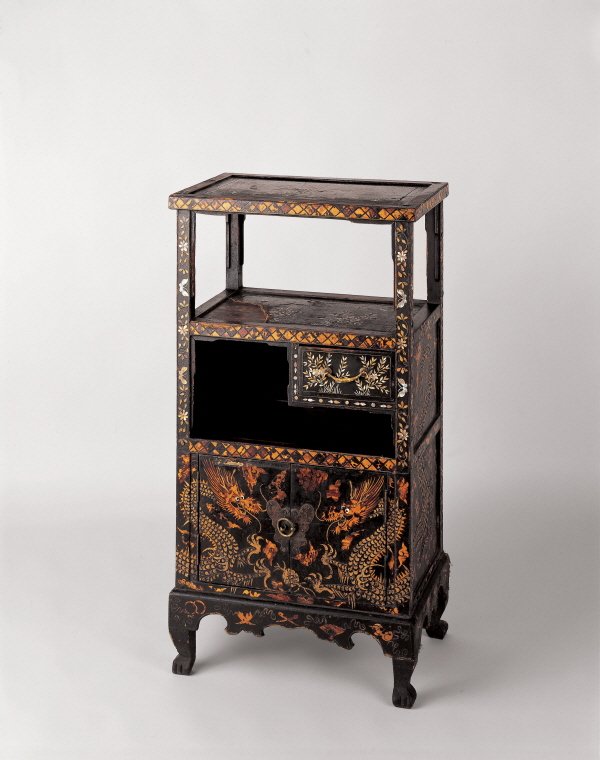
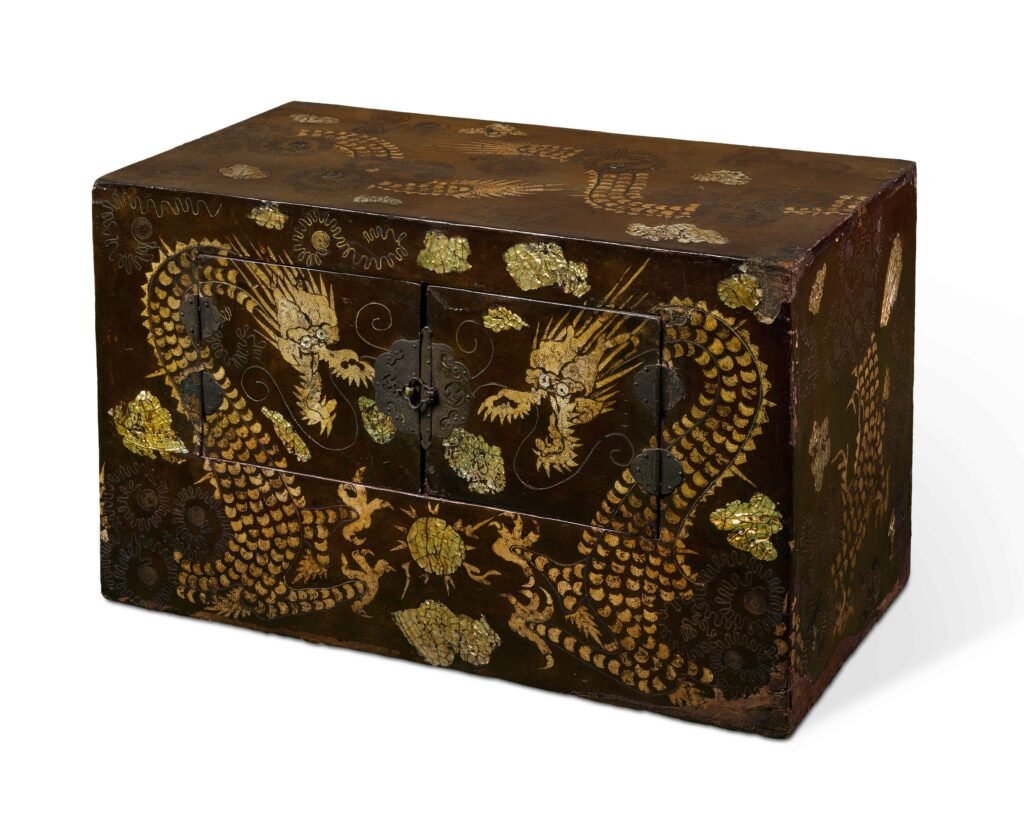
H. 91cm, W. 48cm. Fine hemp was applied to the pine tree, and black lacquer was applied on it, and daemo, fish skin, mother-of-pearl, etc. were splendidly decorated.
At the lower part of the front and on the side, a scene of two dragons fighting over Yeouiju in a clouded sky is placed, and grass and insect patterns are decorated in a balanced manner in between.
Others decorated grass and insect patterns with mother-of-pearl on top of black lacquer.
Considering its elegance and sophistication, it is presumed to be for the royal court.
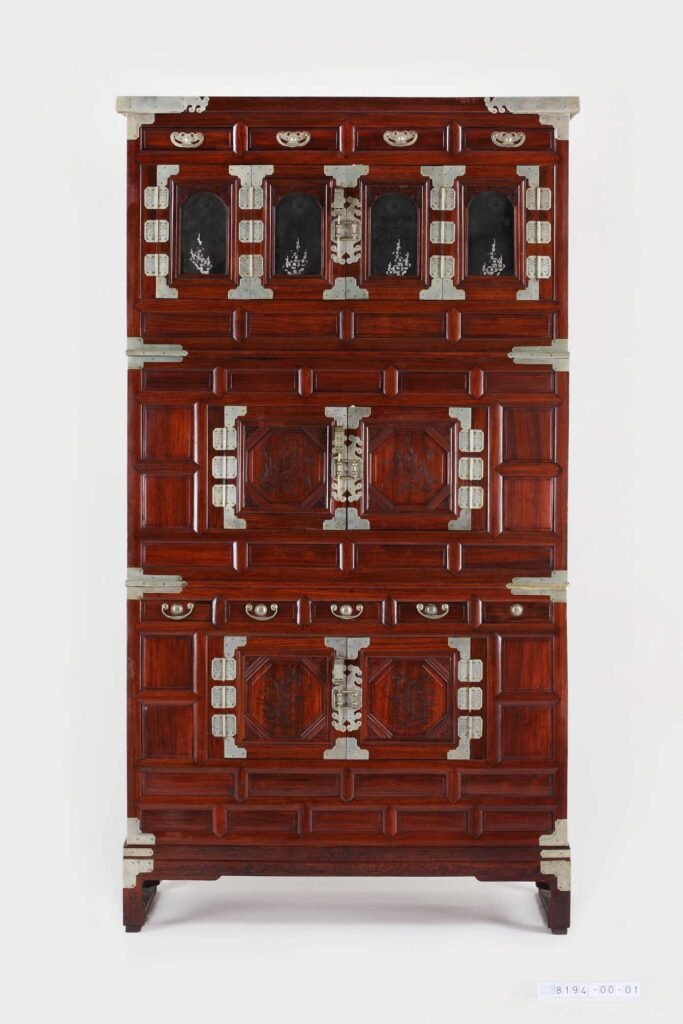
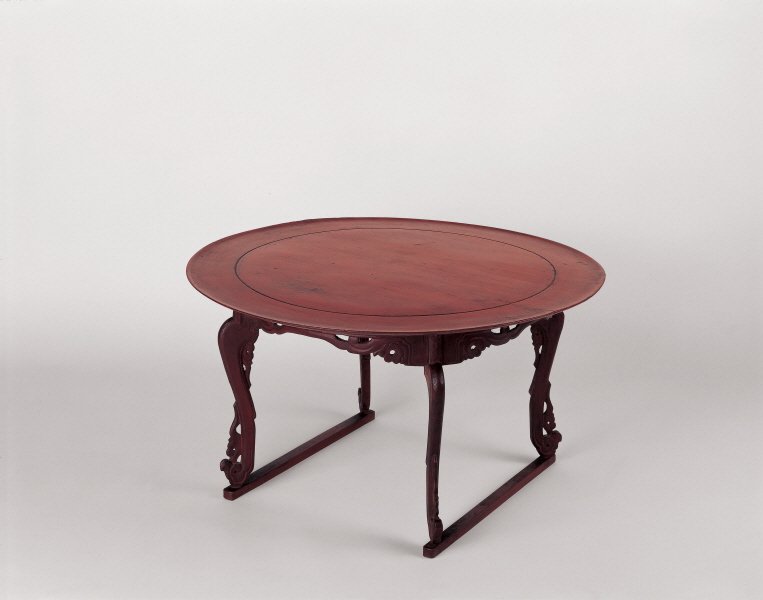
H. 34,5cm, Diameter. 68,6cm. It is a noble family class with the shape of a typical royal court table.
The top board was made by attaching two boards in a circle and painted with vivid vermilion paint, and the back side of the board was painted black

H. 26,5cm, W. 75cm, D. 40,3 cm. It is a box decorated with mother-of-pearl and black lacquer in Hongsong.
Mother-of-pearl is decorated on the lid and all four sides except for the bottom
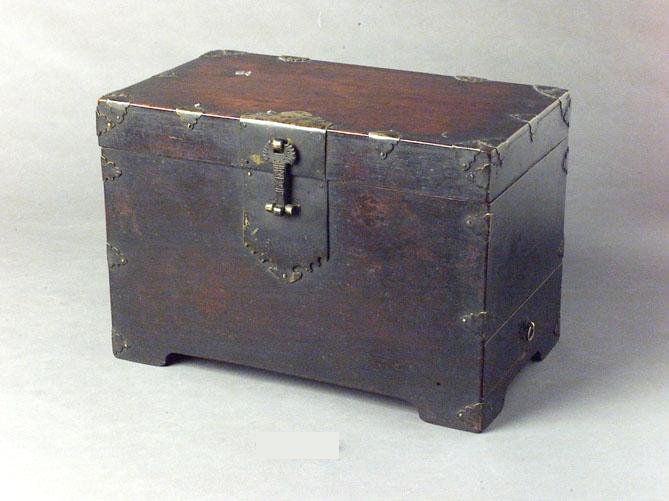

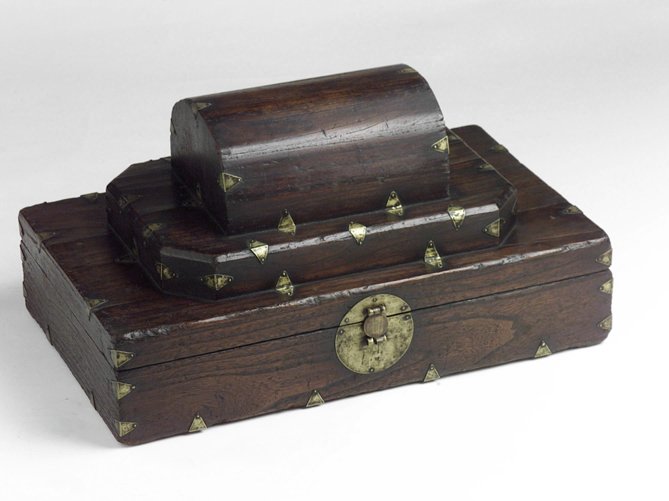
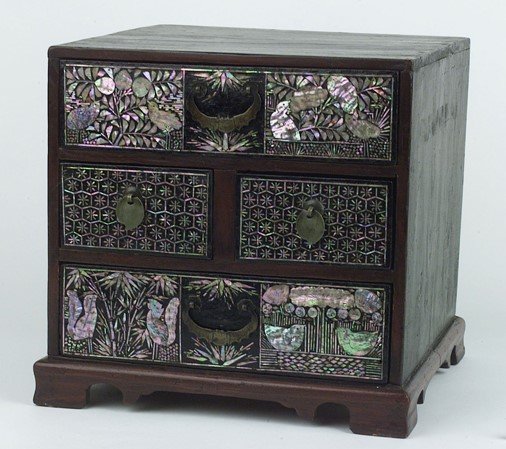
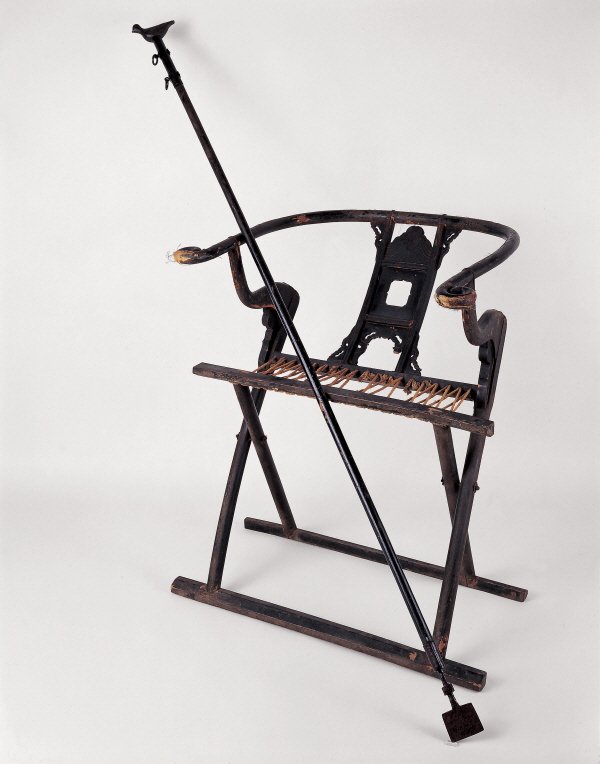
Chair: H. 91cm, Cane: 190cm, Treasure No. 930.
This is a gift bestowed by Hyeonjong to Yeongjungchubusa (領中樞府事) Lee Gyeong-seok (1595-1671).
A large ark of this size follows the precedent in which the king bestowed a chair, staff, or palanquin upon a minister over 70 years of age who wished to resign from the government post.
The ark can be unfolded as needed, and the seat is woven in an X shape by twisting twine.
The godae that leans on the back is a stump, and the surface of the backrest is covered with birch bark.
All of the canes have four points, and the part that touches the ground is decorated with square iron.
In particular, the head of the joduhyeong cane is fitted with a carved duck, and a small sprinkler is attached to the end.
The cane with the sprinkler attached not only functions as a practical farming tool, but also symbolizes a head basketball that is authoritative enough to be bestowed on high-ranking officials.
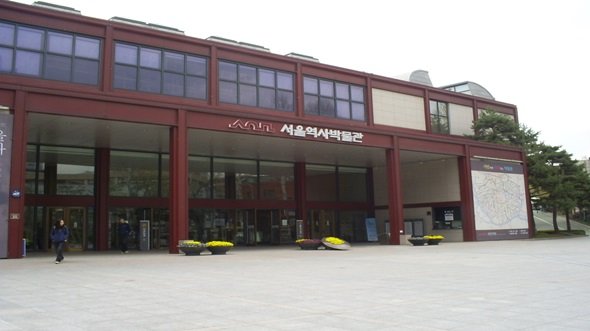
SEOUL MUSEUM OF HISTORY.
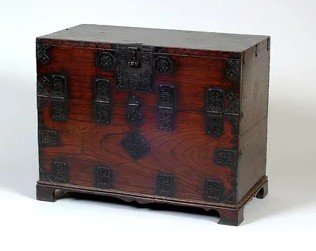
H. 76,4cm, W. 95,8cm, D. 49,2cm. This chest is woven with dowels to give it a solid feel.
The front of the lock is in the shape of a gourd with the character ‘卍 (man)’ pierced through it, and the belly button decoration is also in the shape of ‘卍 (man)’.
Each corner has a burnt ear ornament.

H. 78,5cm, W. 86,5cm, D. 42,6cm.
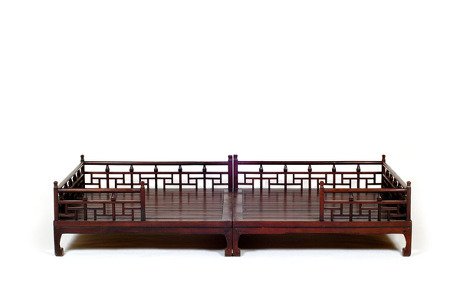
H. 44cm, W. 206cm, D. 106cm. Pyeongsang is a piece of furniture for sitting or lying down.
There is a bed placed in a room for sleeping and a garden floor placed in a yard or yard for people to sit or sit on.
During the Joseon Dynasty, it was widely used in royal palaces and houses of grandparents.
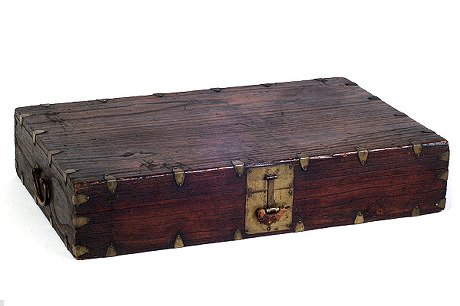
H. 11,7cm, W. 60cm, D. 39cm. Paulownia wood, yellow brass fittings. Because of its small size, it was often used on top of other furniture and was also used for decoration.

H. 90,5cm, W. 98cm, D. 44cm.

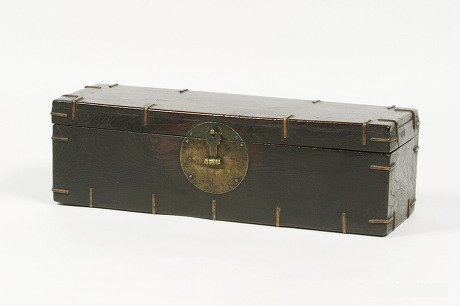
H. 13,8cm, W. 44,6cm, D. 14cm.
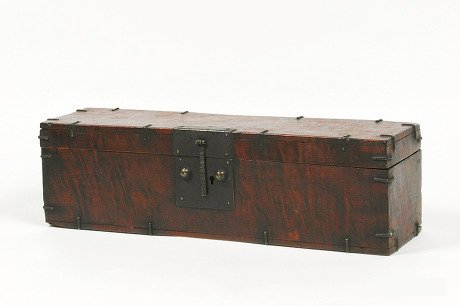
Same usage as the previous item.
H. 14 cm, W. 51,8cm, D. 15,1cm
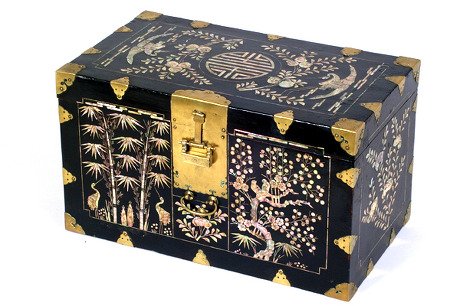
H. 28,2 cm, W. 49cm, D. 28cm. This mother-of-pearl box is decorated with bamboo, pine, plum, and peach blossoms.
On the back side, the character ‘壽’ is engraved.

H. 29,9cm, W. 22,5cm, D. 23,6cm.
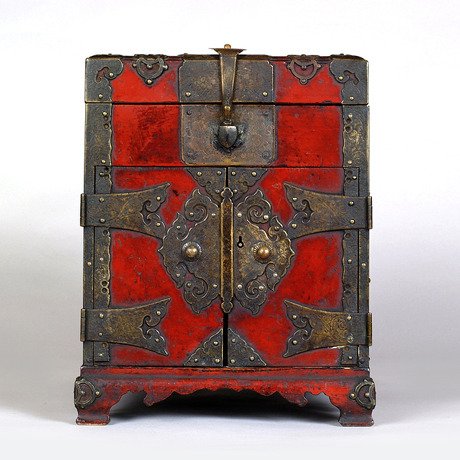
H. 26cm, W. 24,2cm, D. 45cm.

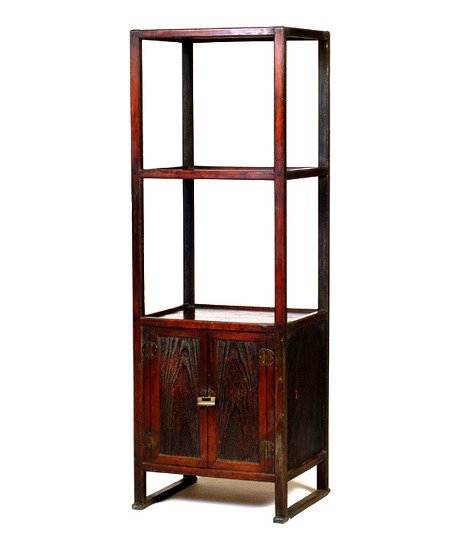
H. 189cm, W. 85,7cm, D. 47,4cm.
This bookcase is made of elm and paulownia wood.
With a four-story structure, the storage space can be opened and closed by attaching doors on both sides.
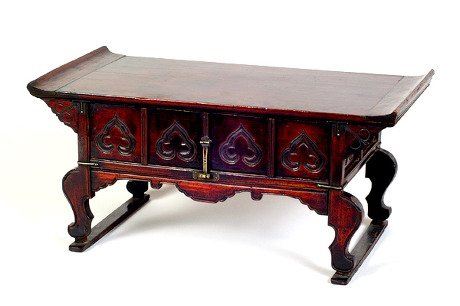
H. 31,1cm, W. 72,2cm, D. 31,9cm.
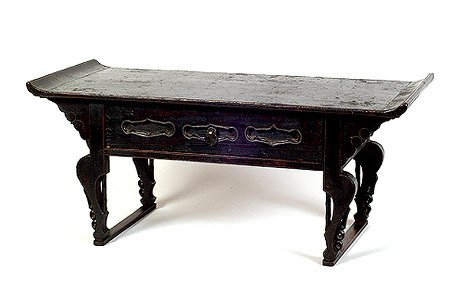
H. 26,5 cm, W. 59,2cm, D. 28,5cm.
A shelf or drawer was attached under the top plate, and a straight and flat top plate was regarded as high class.
This Seoan has a scroll panel on both sides, with drawers with engraved Yeouidu pattern.

H. 42cm, W. 88cm, D. 41,5cm.
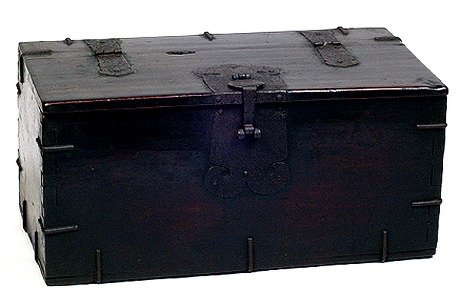
H. 24cm, W. 50cm, D. 27cm.
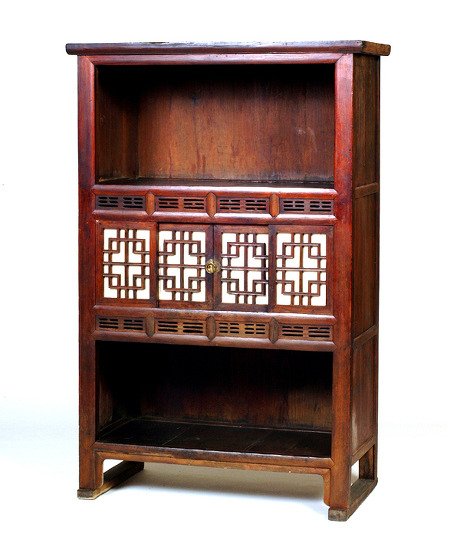

H. 166cm, W. 101,6cm, D. 50,2cm.
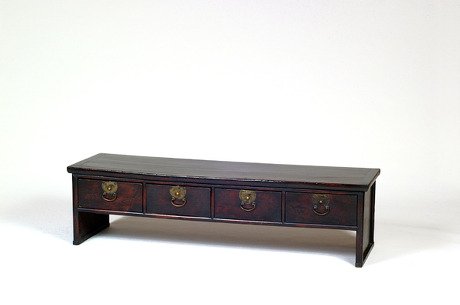
H. 36,1cm, W. 135,3cm, D. 40,3cm.
Seoan is a small furniture used for reading books.
According to the place and purpose, a short one is used for reading and a long one is used for writing on a scroll.
This Seoan has a simple form without any decorations
There are four drawers, each with a copper plate and a ring attached to it, making it easy to open and close.

H. 30,6cm, W. 67,8cm, D. 29cm.
Mungap is a stationery chest used to store important documents.
Made of paulownia wood, its legs are rolled inward.
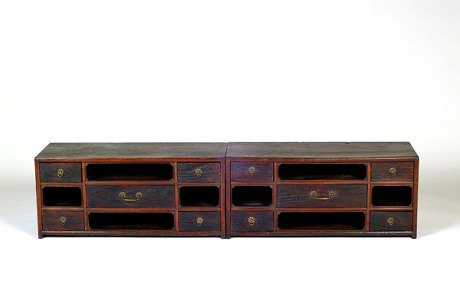
H. 32,7cm, W. 206cm, D. 29,8cm.
Mungap is a low cabinet used to store various for stationery and documents. Bamboo with paulownia wood.
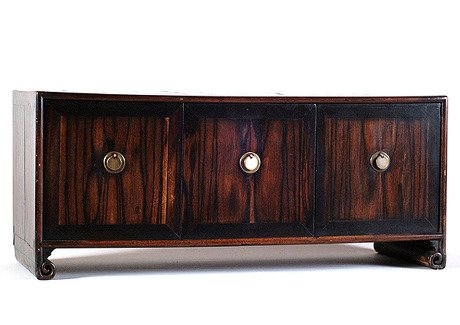
H. 35,7cm. W. 84,4cm, D. 30,8cm.
Mungap is an abbreviation for stationery.
This small chest has 8 inner drawers in three stages, and the positions are indicated by writing ‘left’, ‘middle’, and ‘right’ in ink on the inner bottom of the drawer, and there is no drawer in the center.
The door is made of three plates and has a round metal lock in the center.
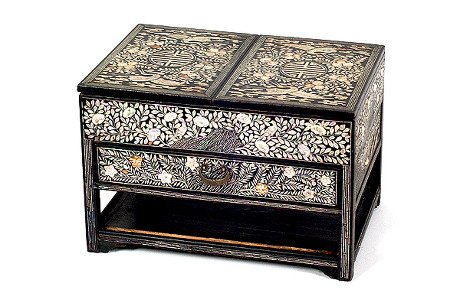
H. 28,6cm, W. 42,3cm, D. 28,2cm.
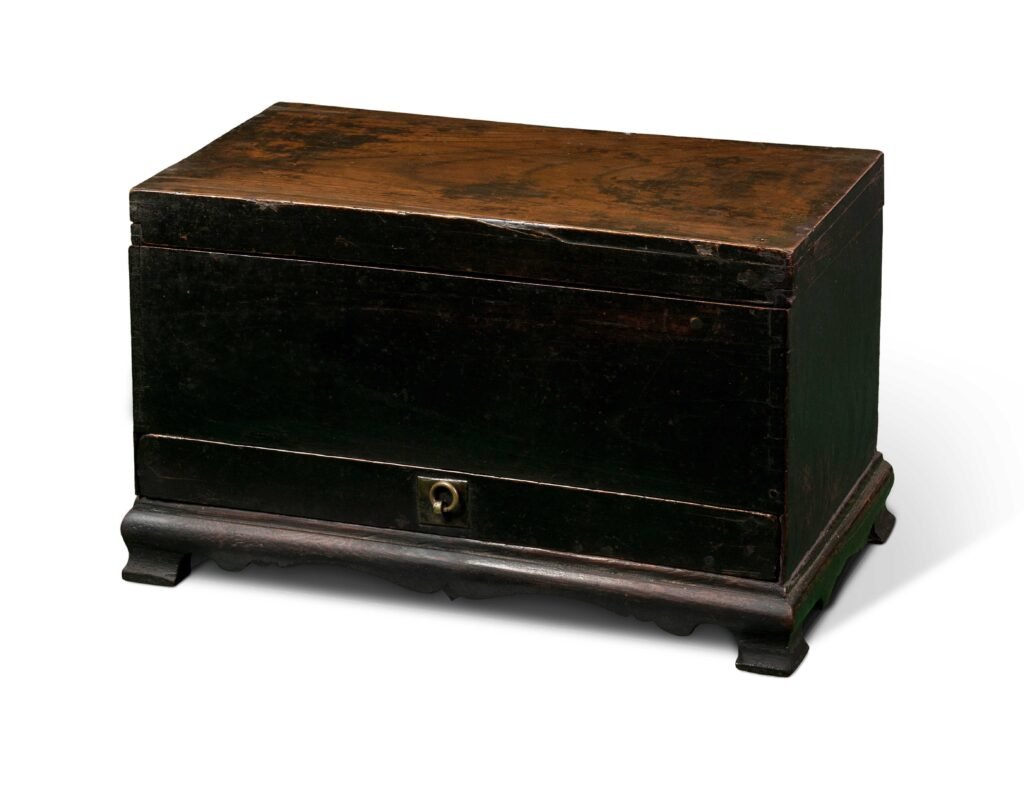
Table for storing inkstones with a bottom drawer where brushes and paper were stored.
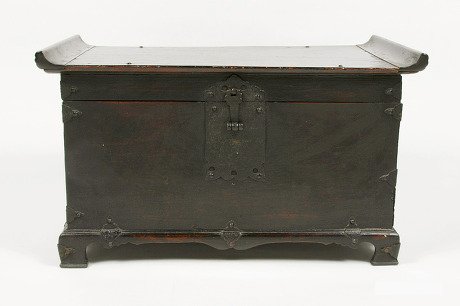
H. 26cm, W. 45cm, D. 24,2cm.
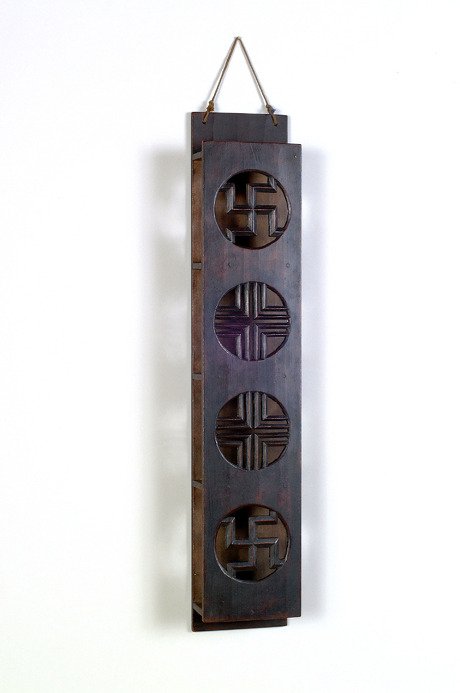
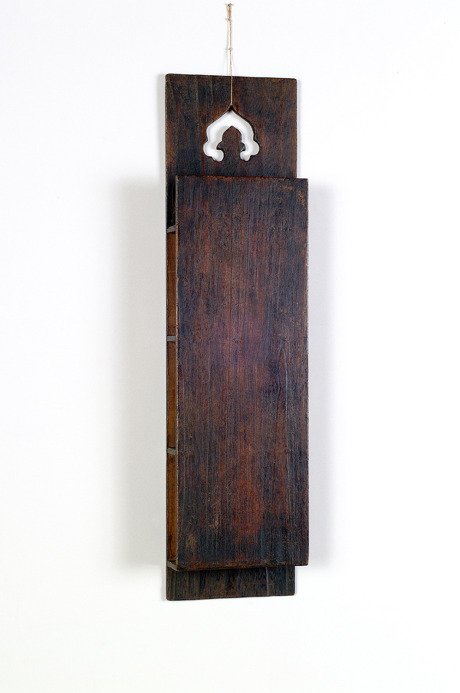
H. 69.6cm, W. 13,3cm, D. 6,7cm.
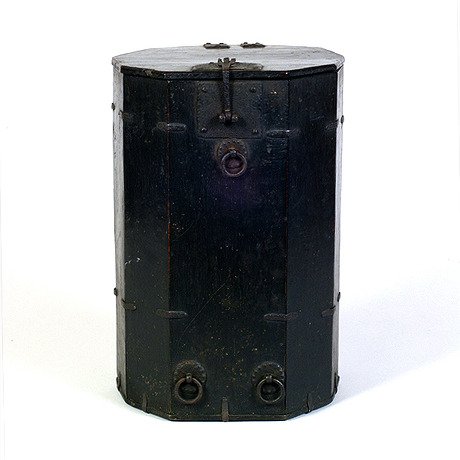
H.40cm, Diameter 27cm.

H. 143,5cm, W. 113,5cm, D. 31,3cm.
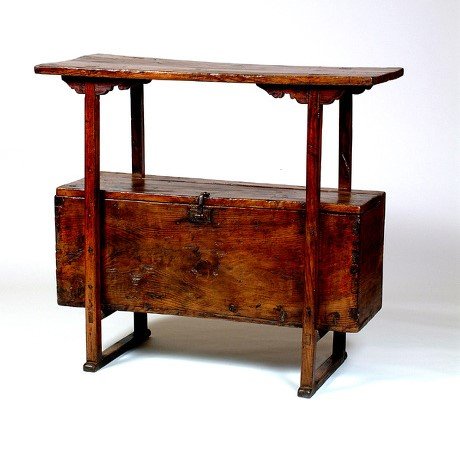
The structure of the furniture is the same as that of Bandaji, but because the door has to be opened upward, it is shorter and the decoration is simpler than that of Bandaji.
H. 50,3cm, W. 109,4cm. Total H. 99,5cm.
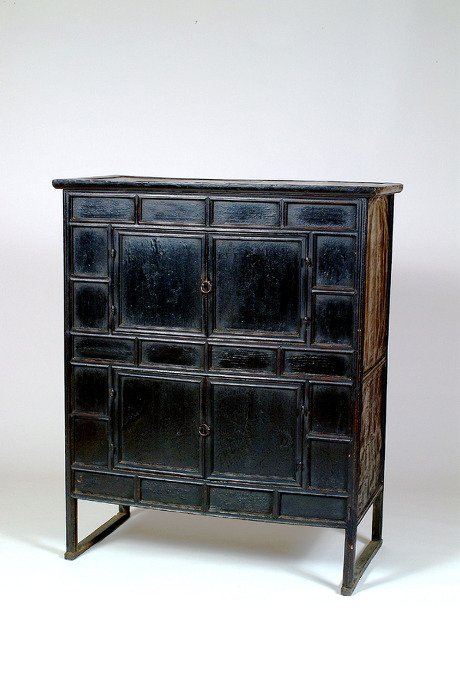
H. 131,3cm, W. 108,2cm, D. 53cm.

This wardrobe is a two-story cabinet that can be separated from the top floor and the bottom floor to store clothes.
Silk was attached to the inside of the closet.
On the upper floor, a door is attached to the front to create a space for hanging clothes, and there are five living rooms above and below it.
Gorgeous peonies and leaves were pierced at the door.
There is also a storage space for clothes downstairs, and there is a door with a peony flower pierced [透刻].

This small chest was used to store important documents in noble’s houses in the late Joseon dynasty.
H. 42,5 cm, W. 69,3cm, D. 30,5cm.
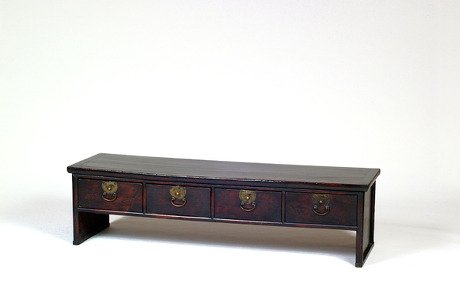
Depending on the location and purpose, the shorter one is used for reading, and a longer one is used when writing on a scroll.
H. 40,3cm, W. 135,3cm, D. 36,1cm.
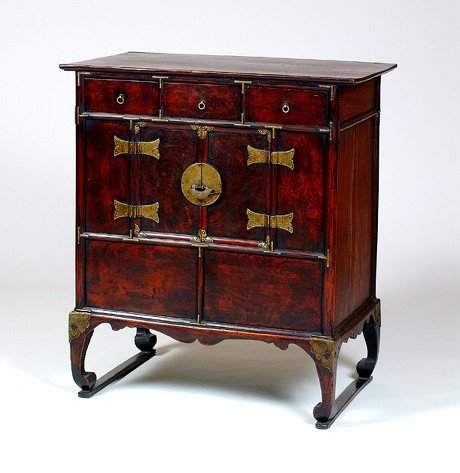
H. 93,9 cm, W. 83,3cm, D. 49,3cm.
It has a door in the center and drawers for storing small items at the top. Zelkova and pine wood.
The hinged door has a fish-shaped lock on the circular front.
There are four swallow-shaped hinges, and the characters 福 (fortune) and 壽 (su) are engraved on them.
There are flower-shaped ear ornaments on the left and right sides of the door.
The legs have a bar between them and are shaped like “dog legs”(狗足).

H. 85,9cm, W. 107,2cm, D. 35,3cm.
This bookshelf was made of paulownia wood to prevent diseases and pests, making it strong enough to hold heavy books.
This bookshelf has a roll top plate attached to the top plate, and the upper and lower floors are connected by hinged hinges.
In the middle of the stay, Yeouidoumun (如意頭文) is engrave.

H. 36,1 cm, W. 89,6cm, D. 36,8cm.
The chest has been used as a multi-purpose piece of furniture to store grain, ceremonies, books, cloths, and other items.
This bookcase has a space for storing books under the drawer on the second floor.
MUSEUMS IN GYEONGGI DO PROVINCE.
UNIVERSITIES MUSEUMS.
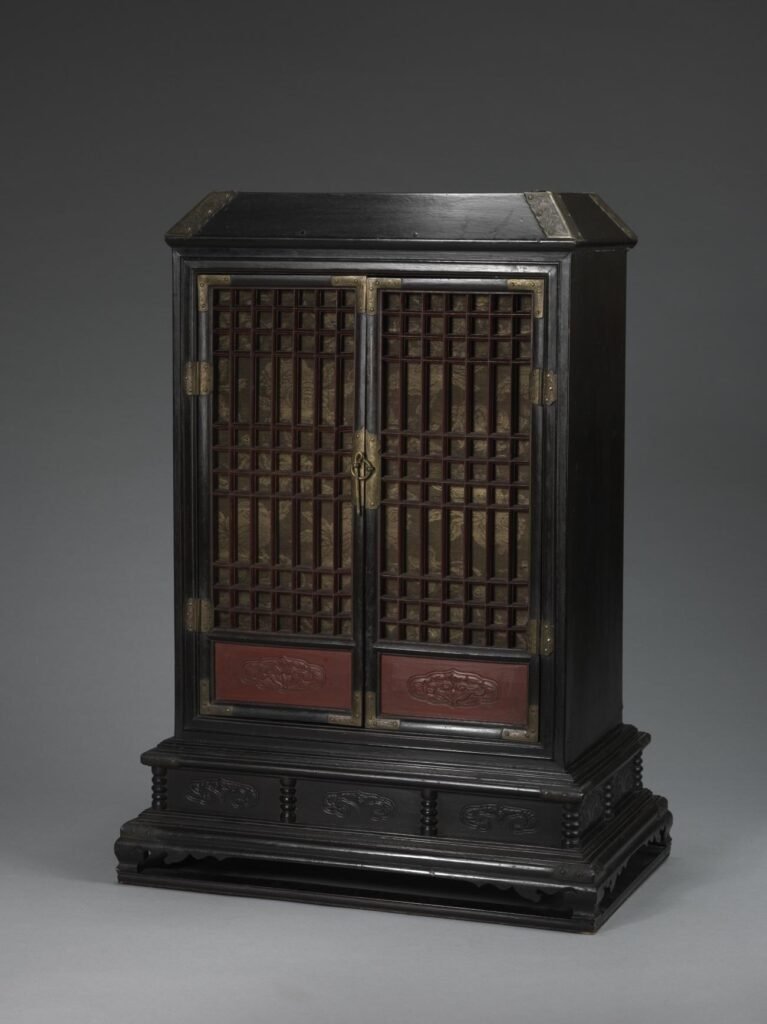
Collection: Seoul National University Museum.
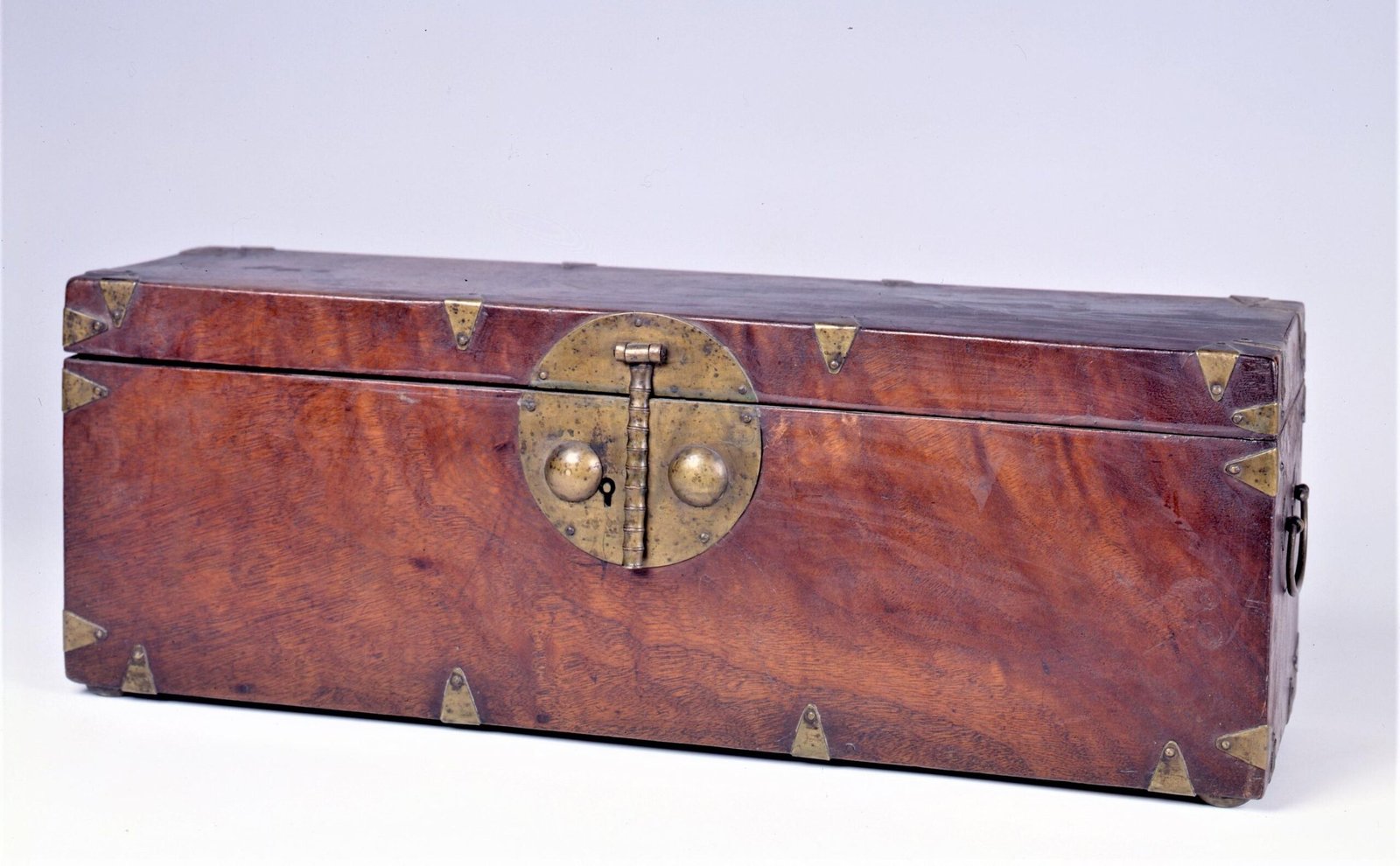
Collection: Seoul National University Museum.
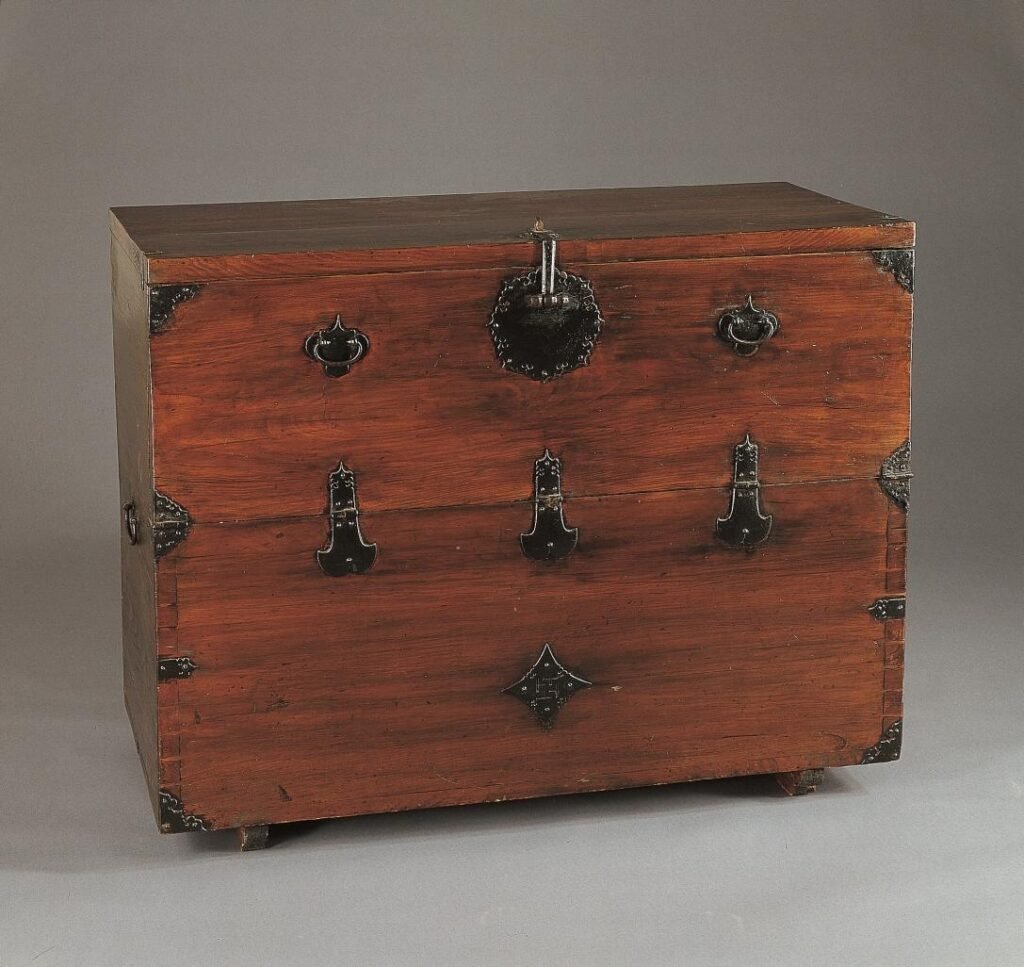
Collection: Seoul National University Museum.
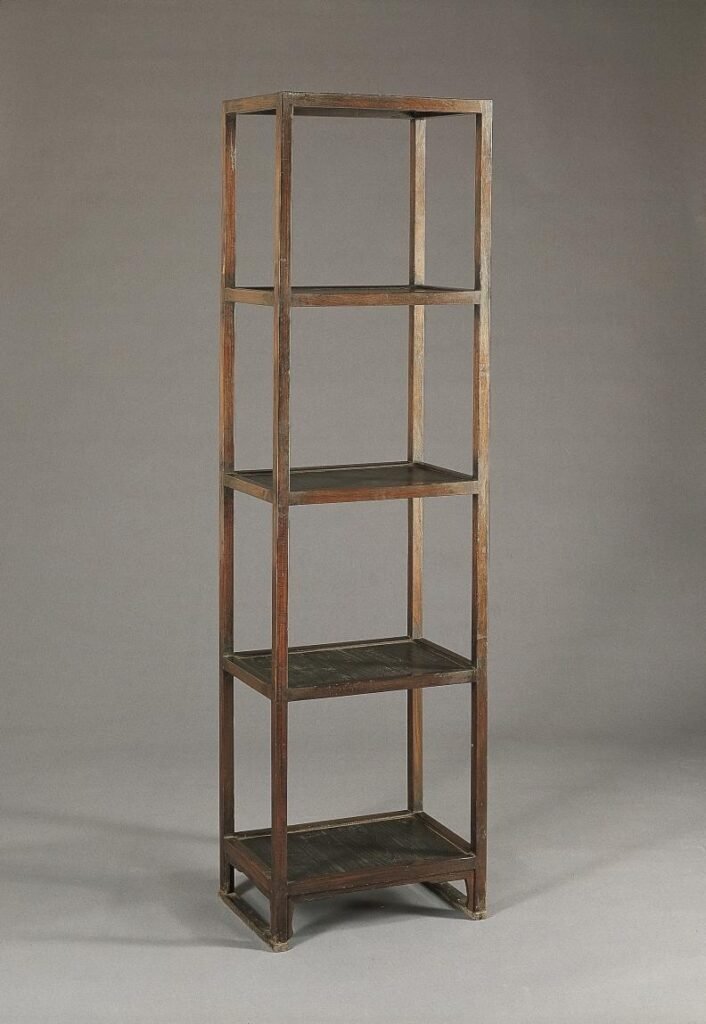
Collection: Seoul National University Museum.
Collection: Seoul National University Museum.


Collection: Dongguk University.
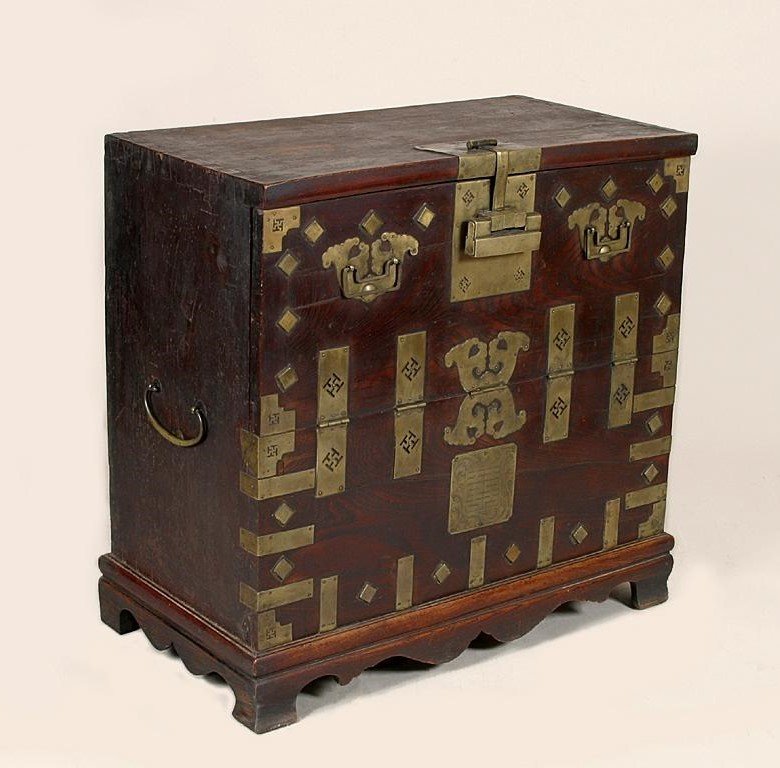

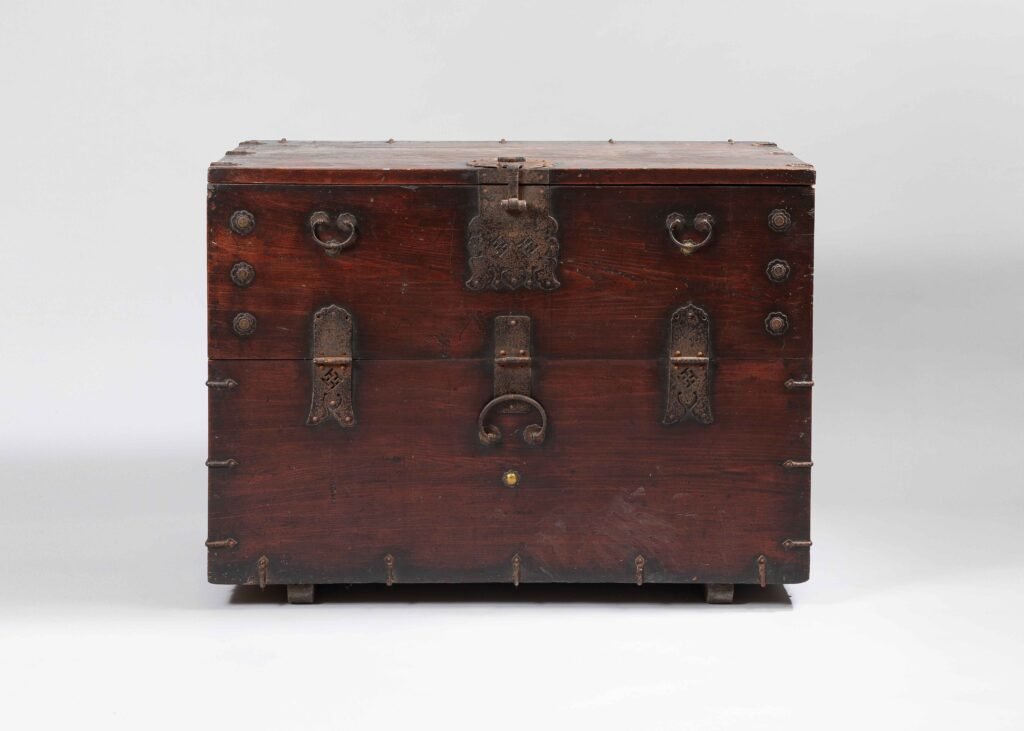
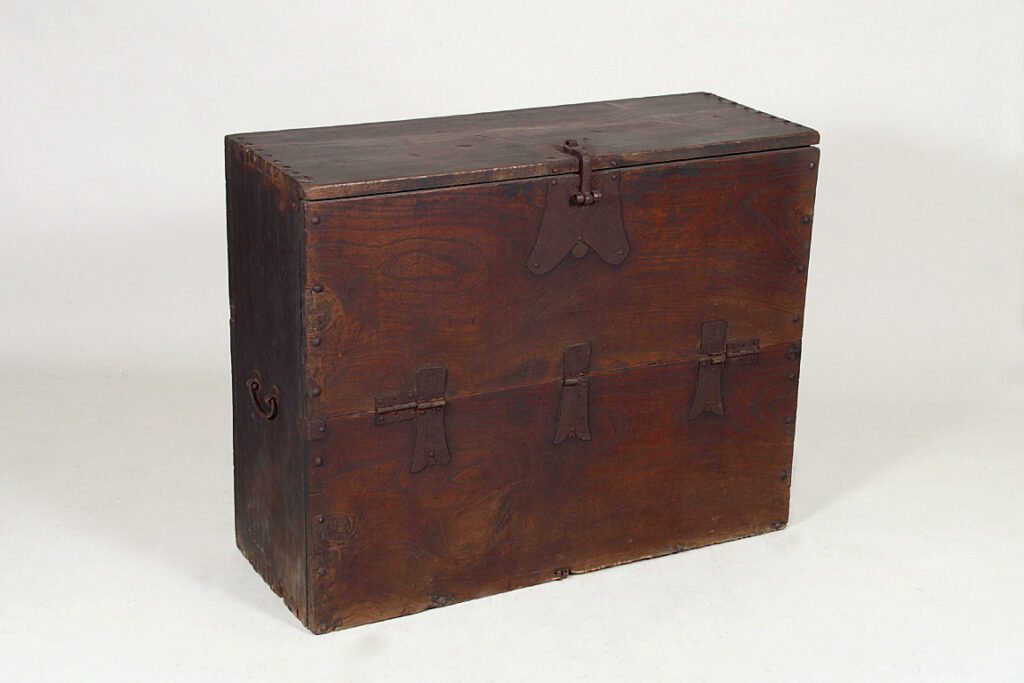
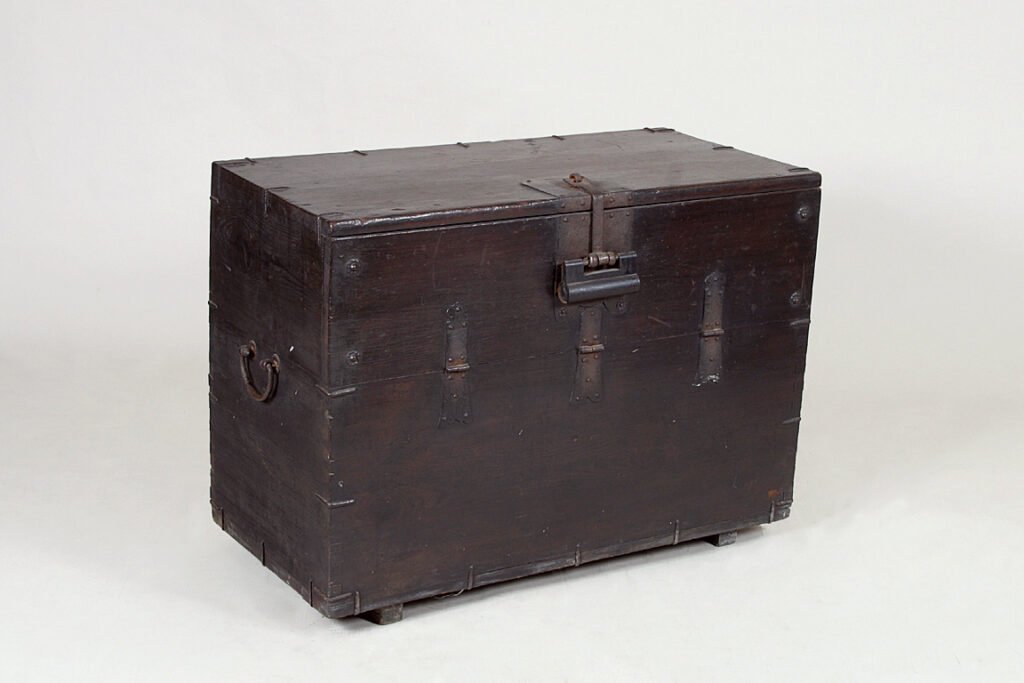
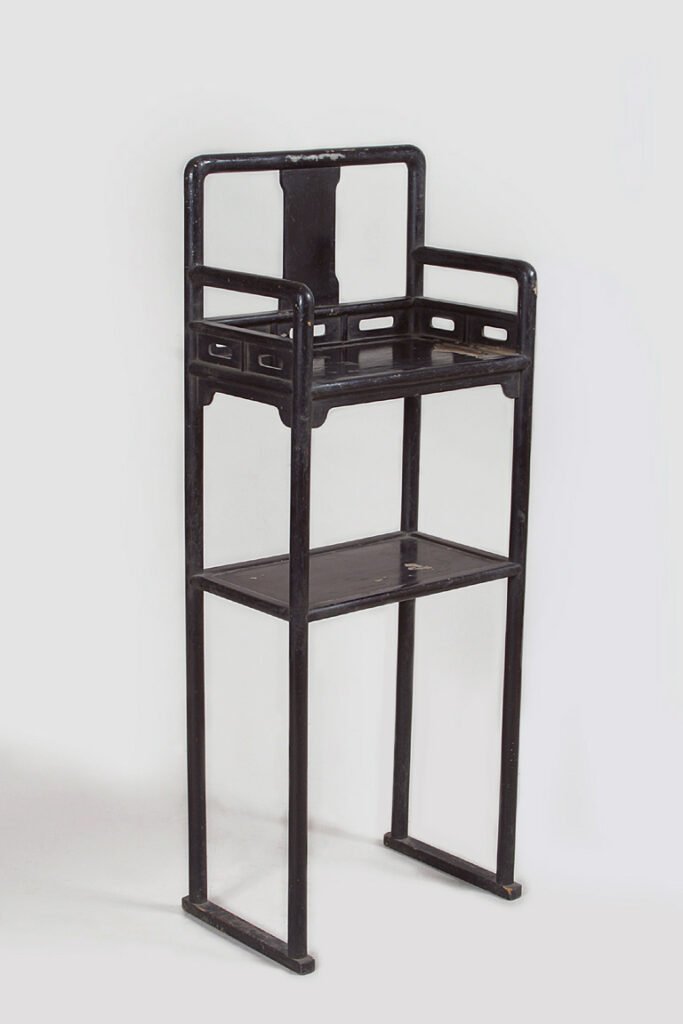
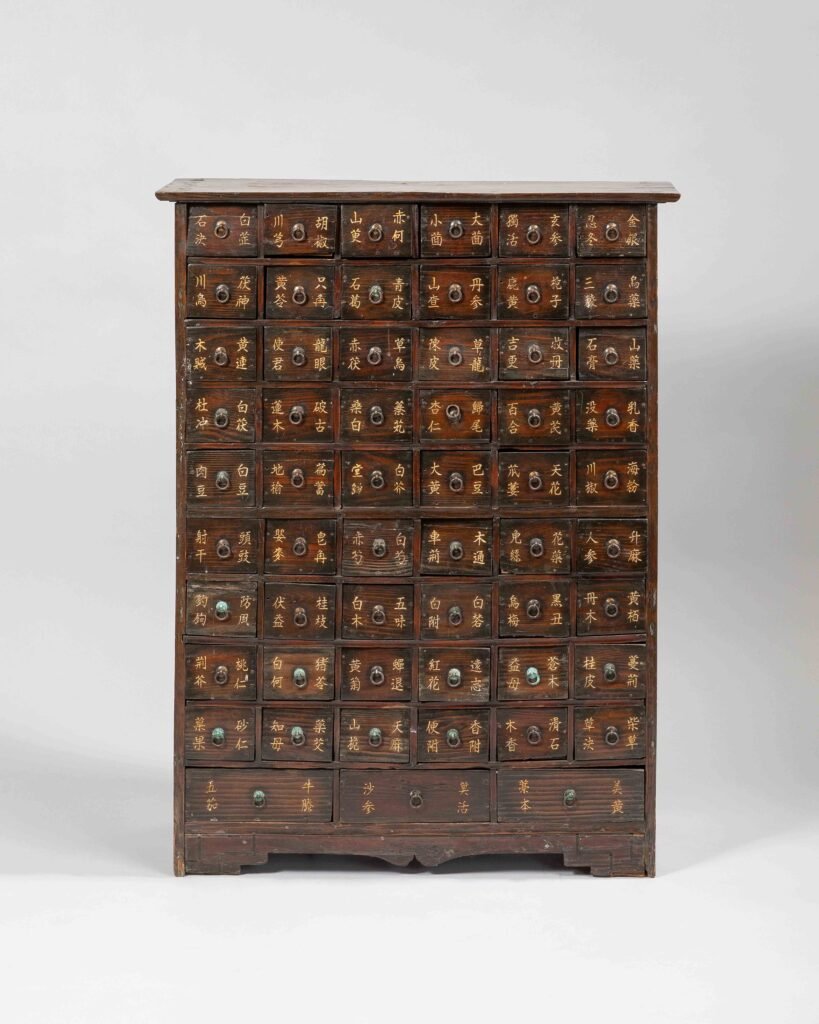
HEOJUN MUSEUM. 87 Heojun-ro, Gangseo-gu, Seoul.
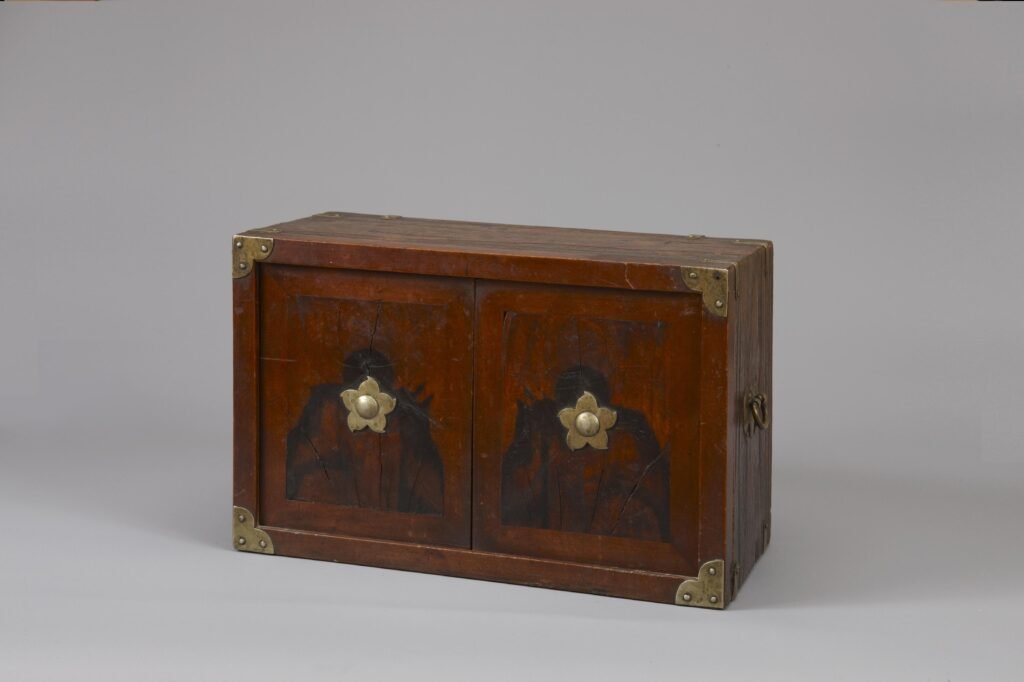

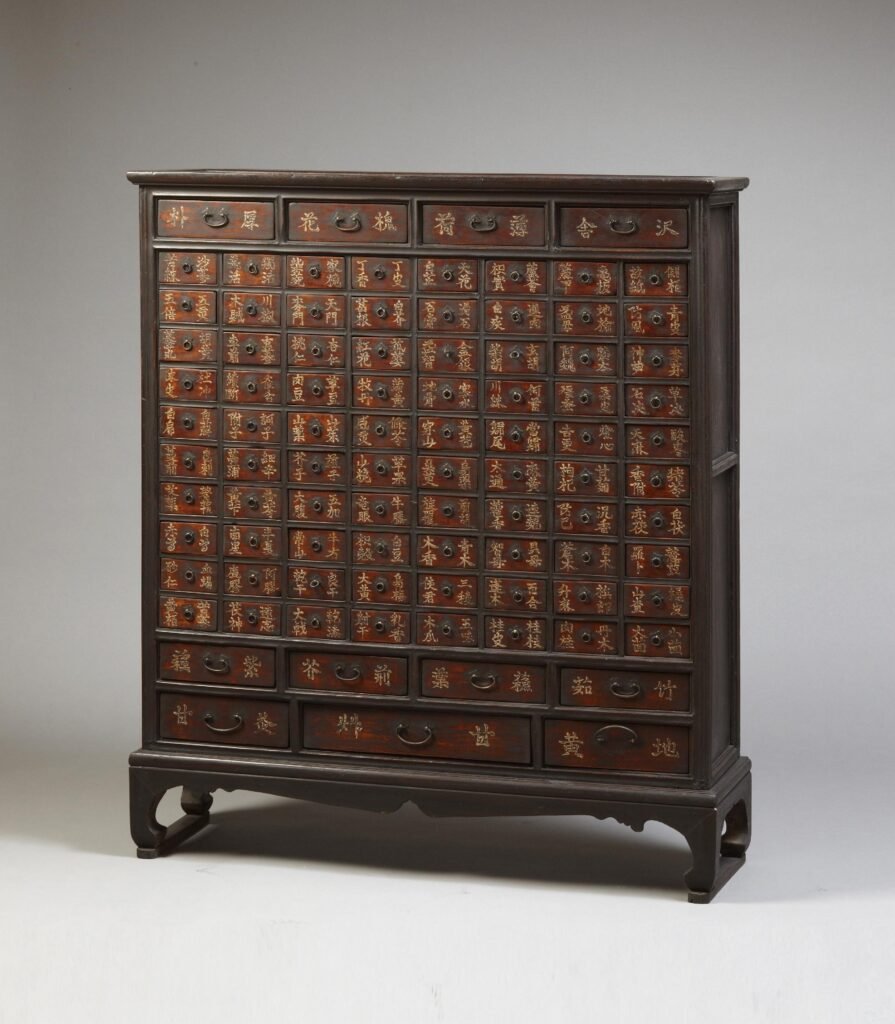
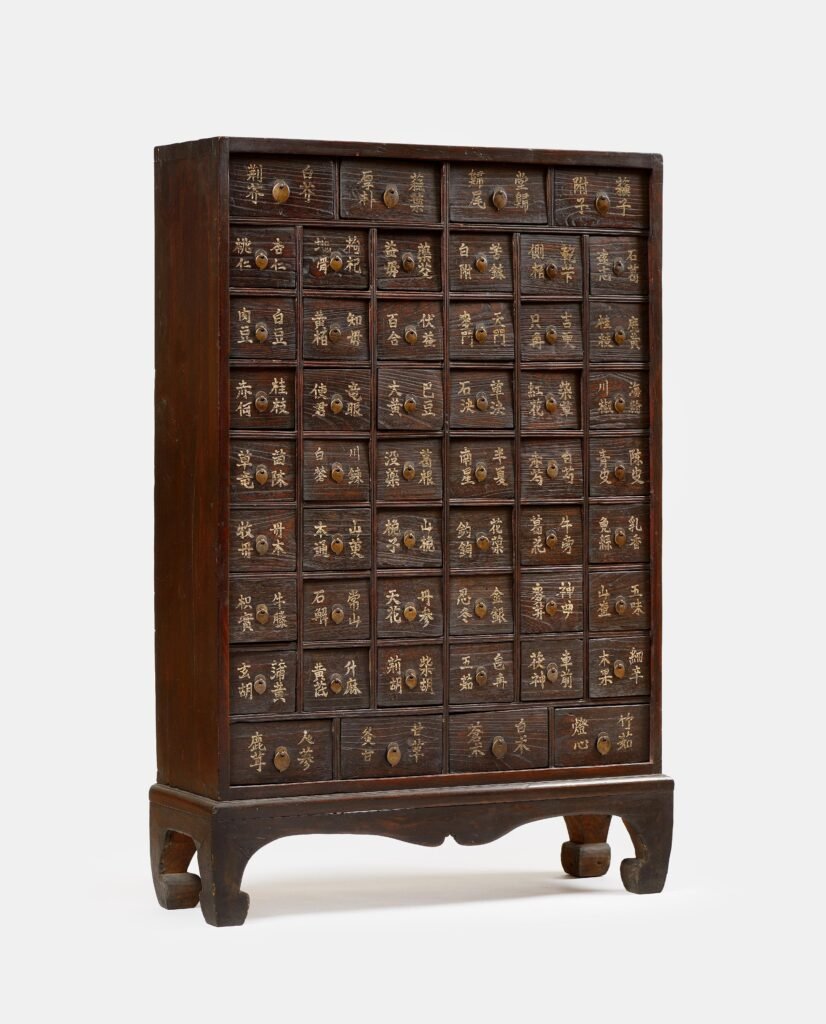
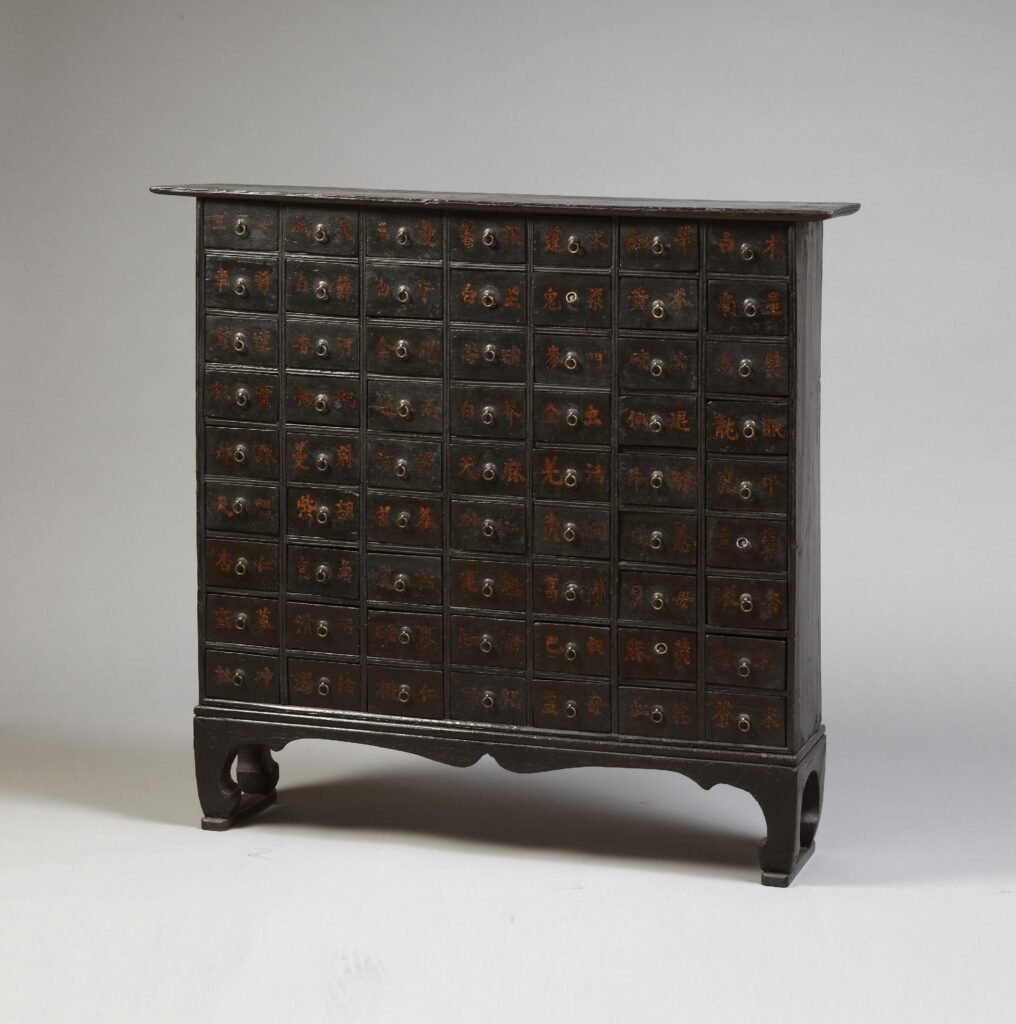

BUPYEONG HISTORY MUSEUM. 151 Gulpo-ro, Bupyeong-gu, Incheon.
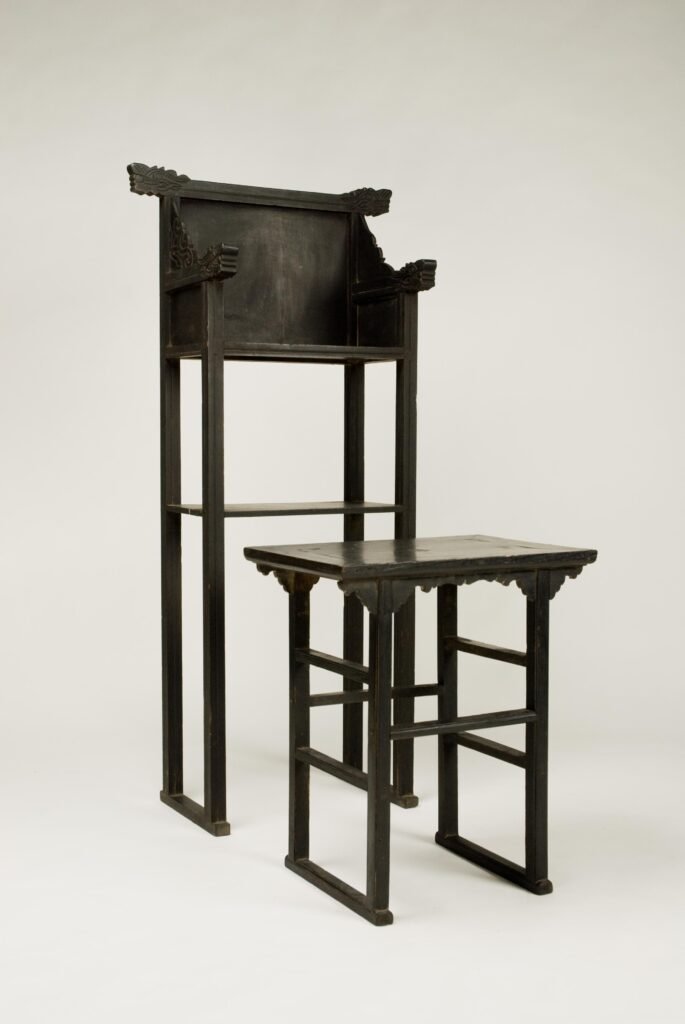
Table: H. 55,7cm, W. 48cm, D. 37,7cm.
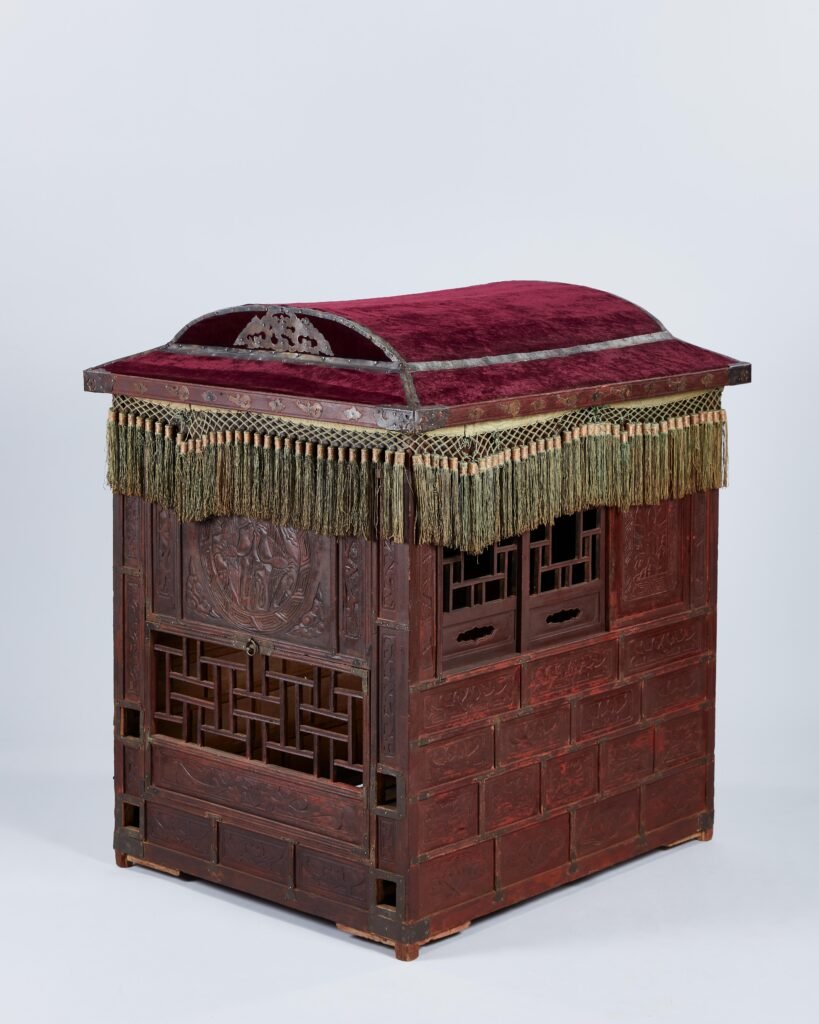

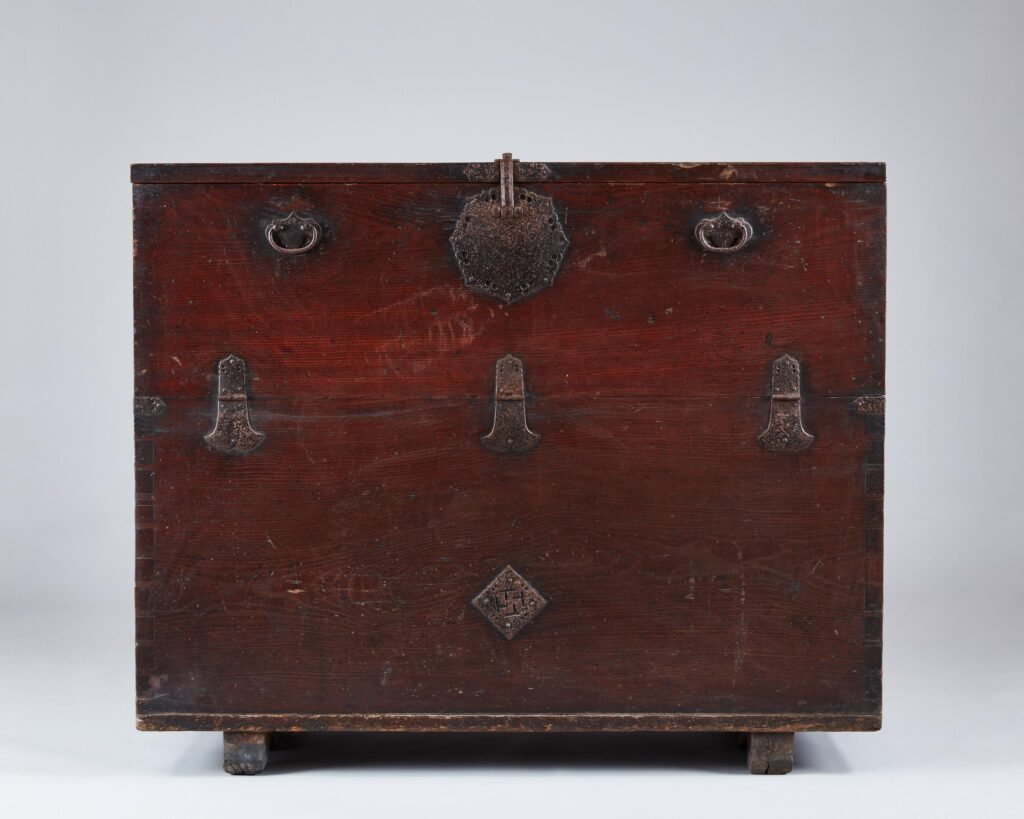
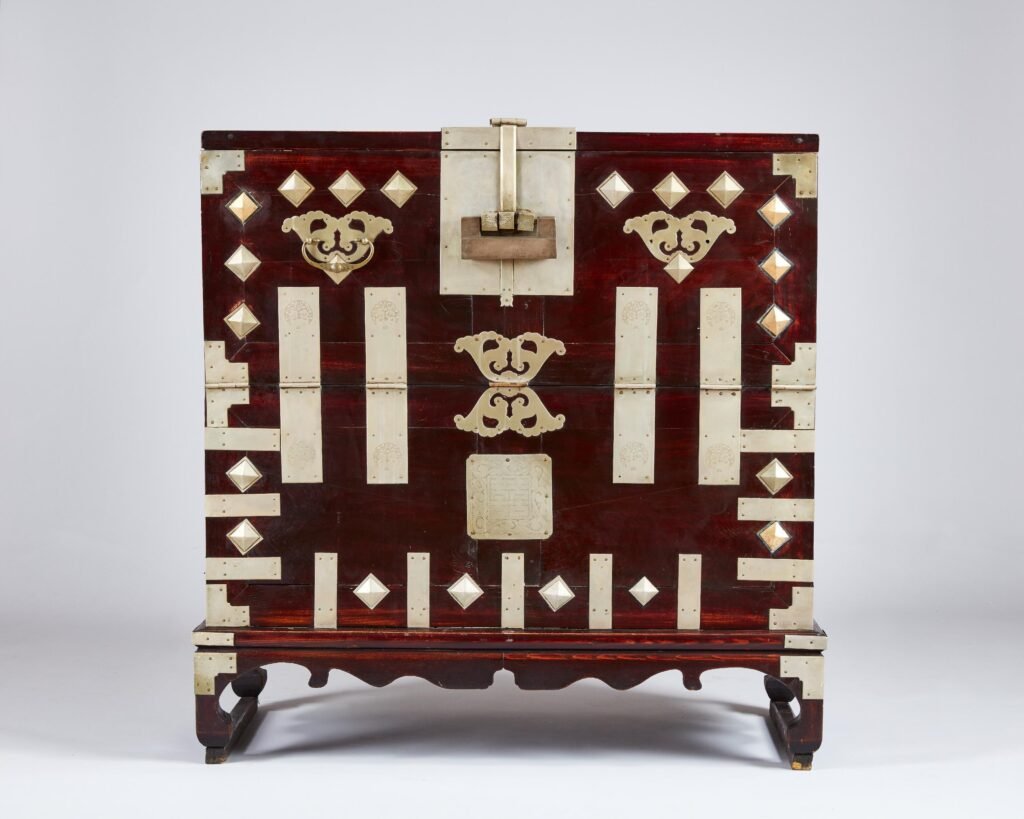


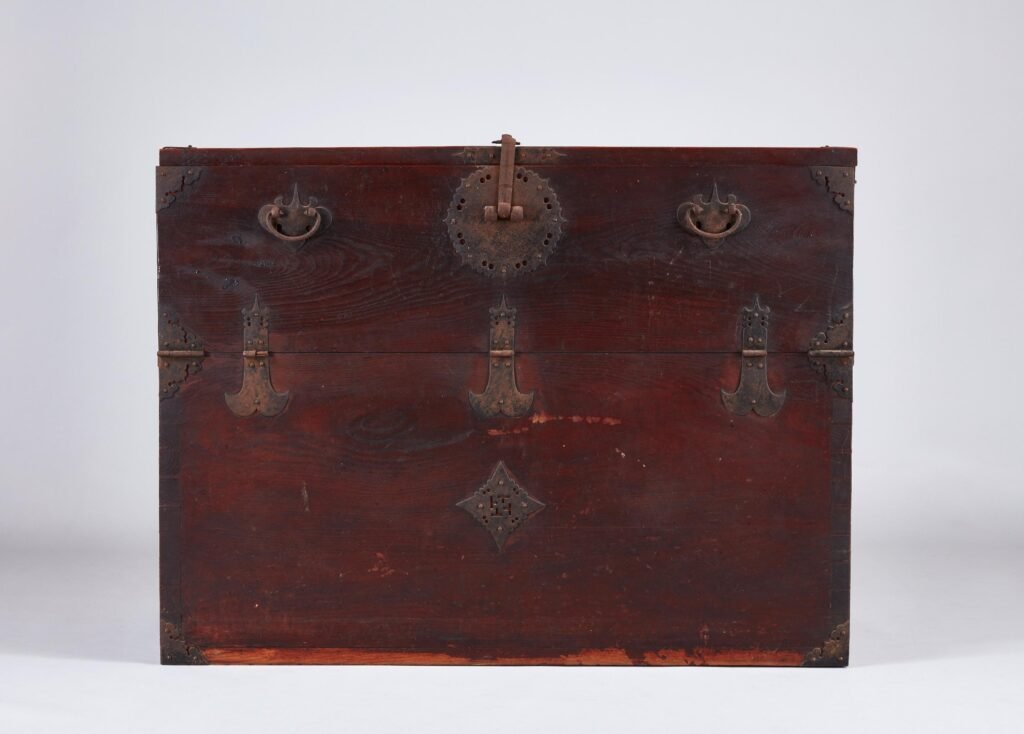

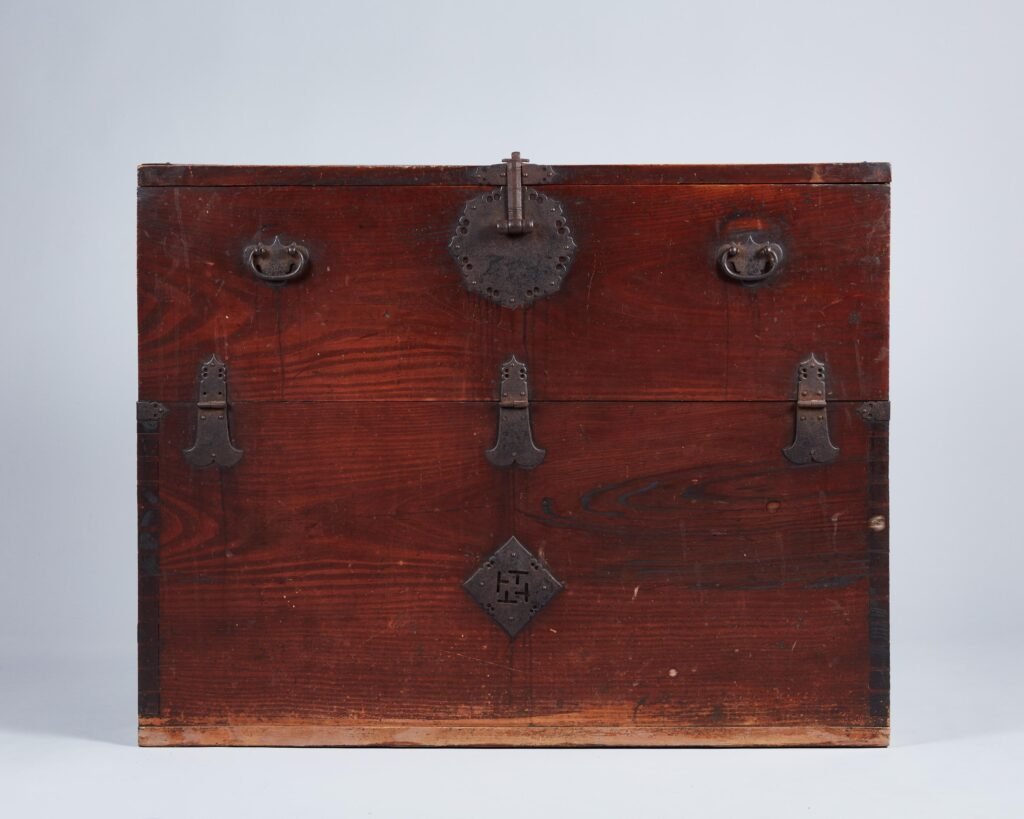

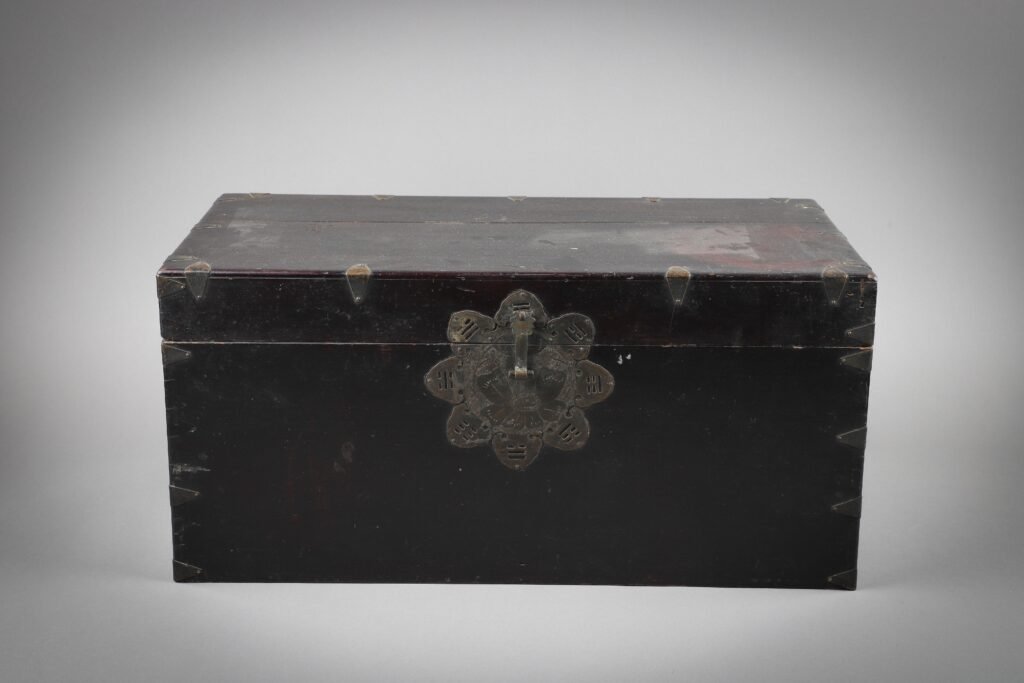

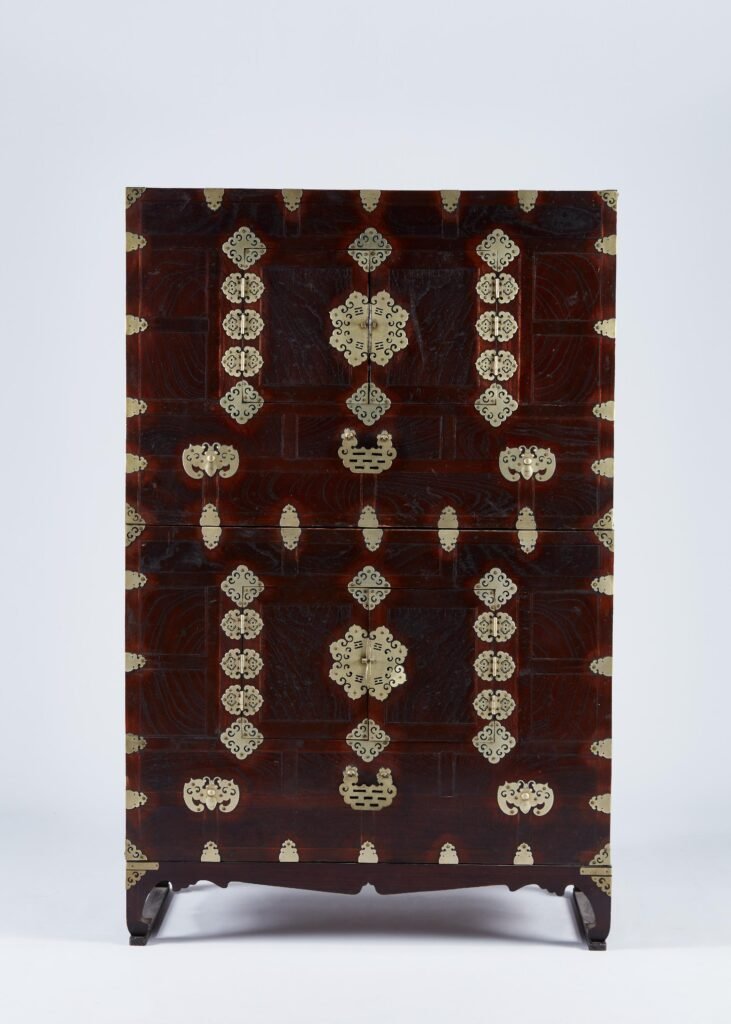


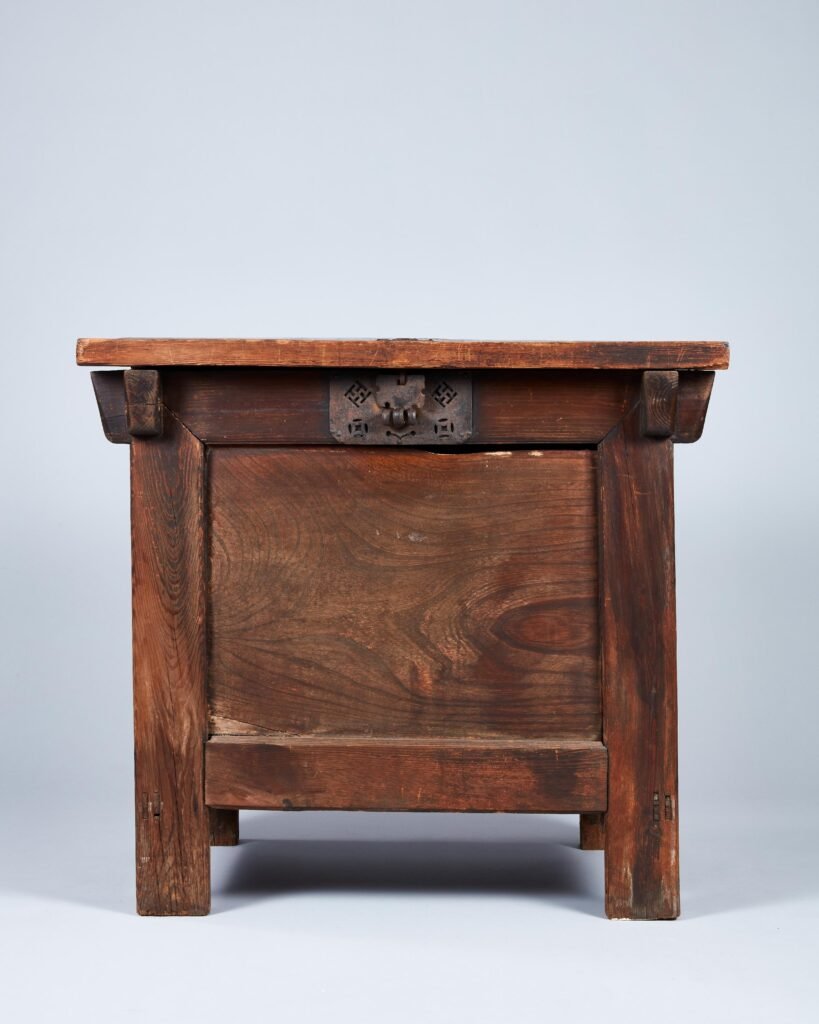
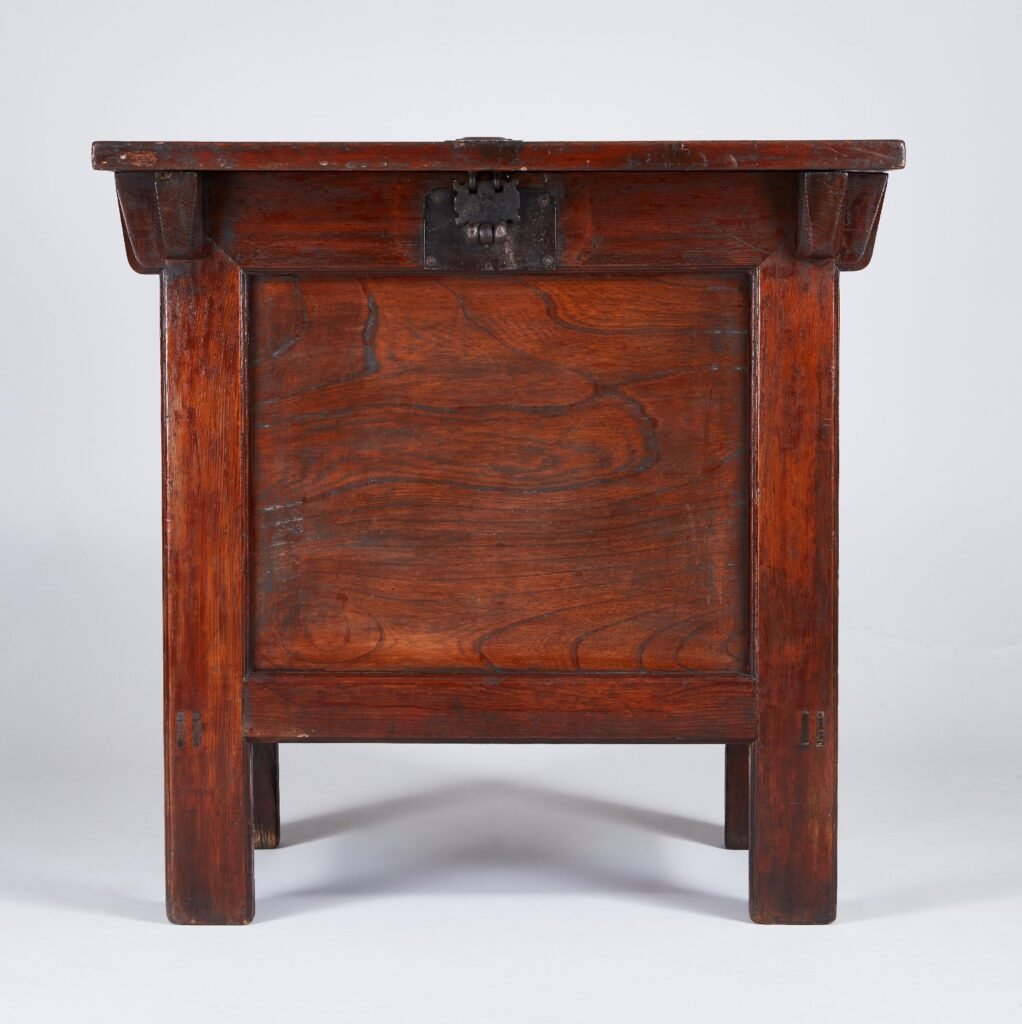
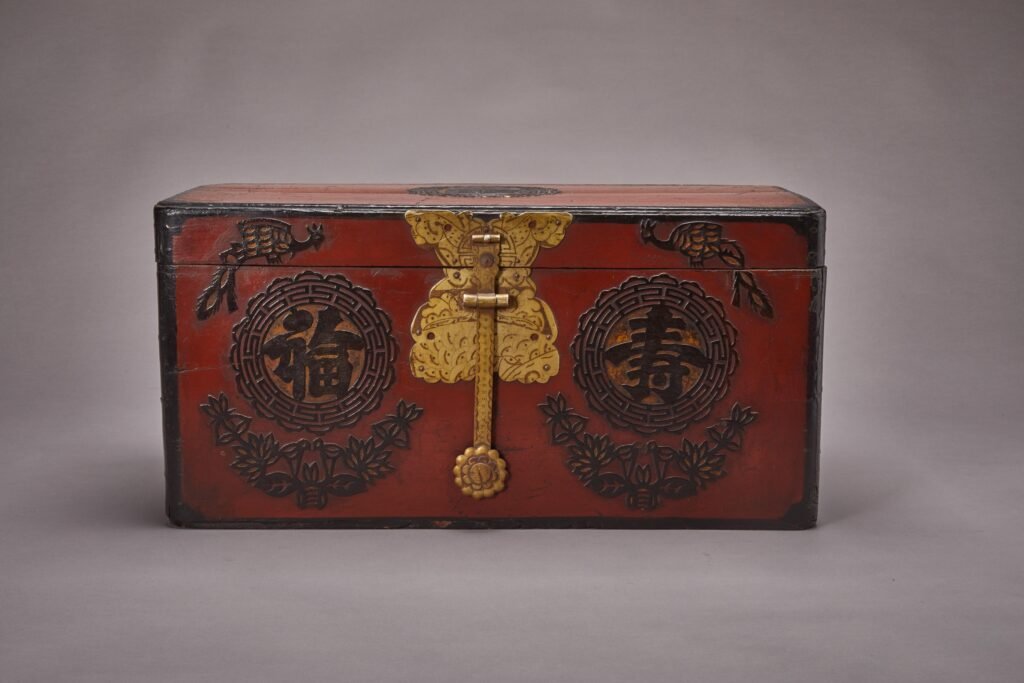


EUNPYEONG HISTORY HANOK MUSEUM. 8 Yeonseo-ro 50-gil, Eunpyeong-gu, Seoul,
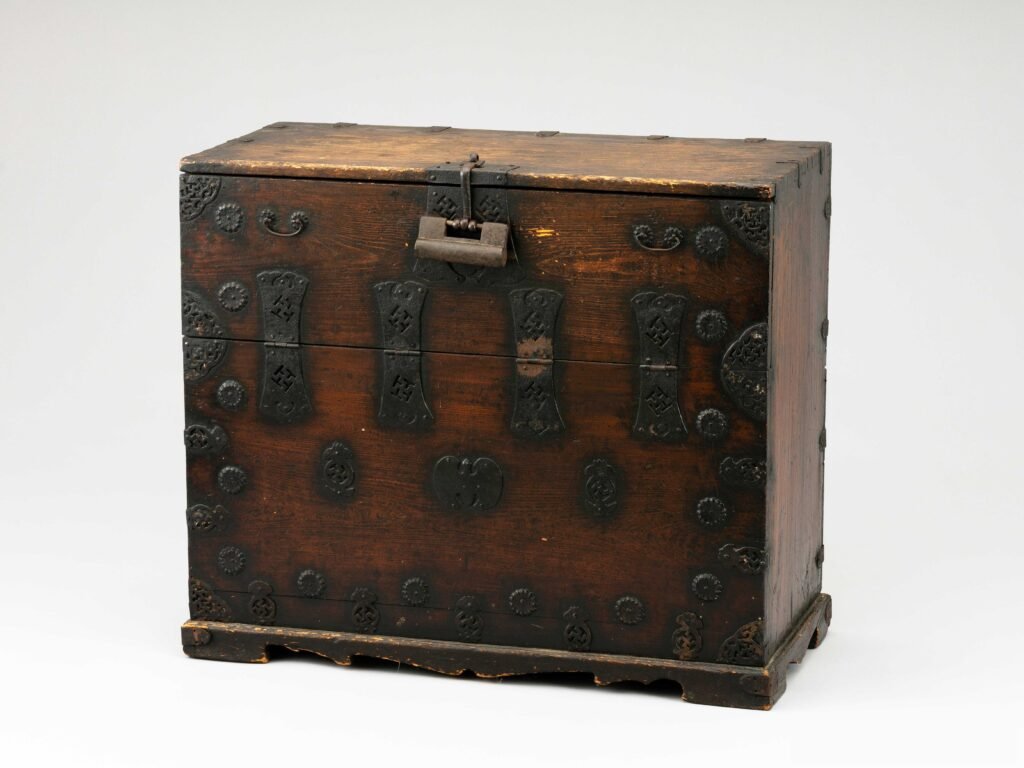

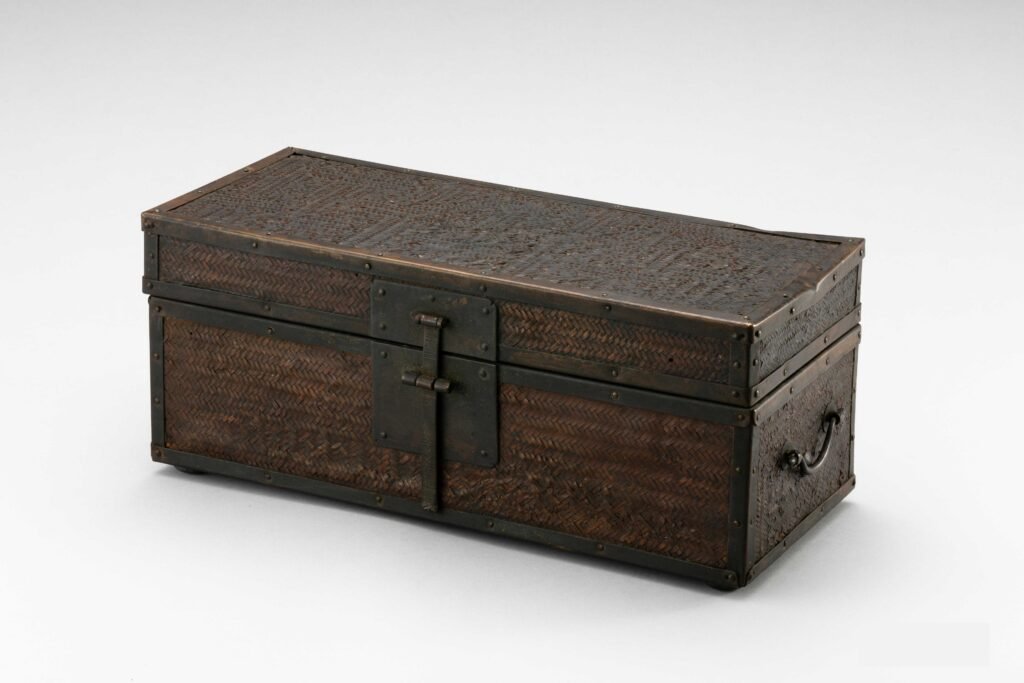

H. 55cm, W. 105cm, D. 55cm.

H. 26,8cm, W. 21,8cm, D. 33cm.
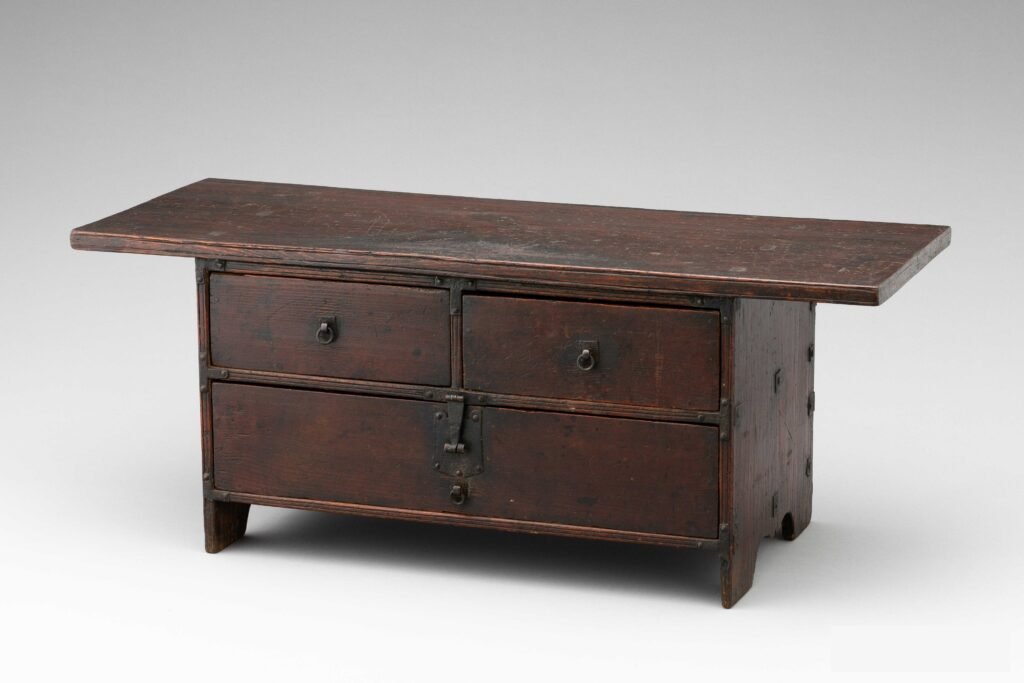
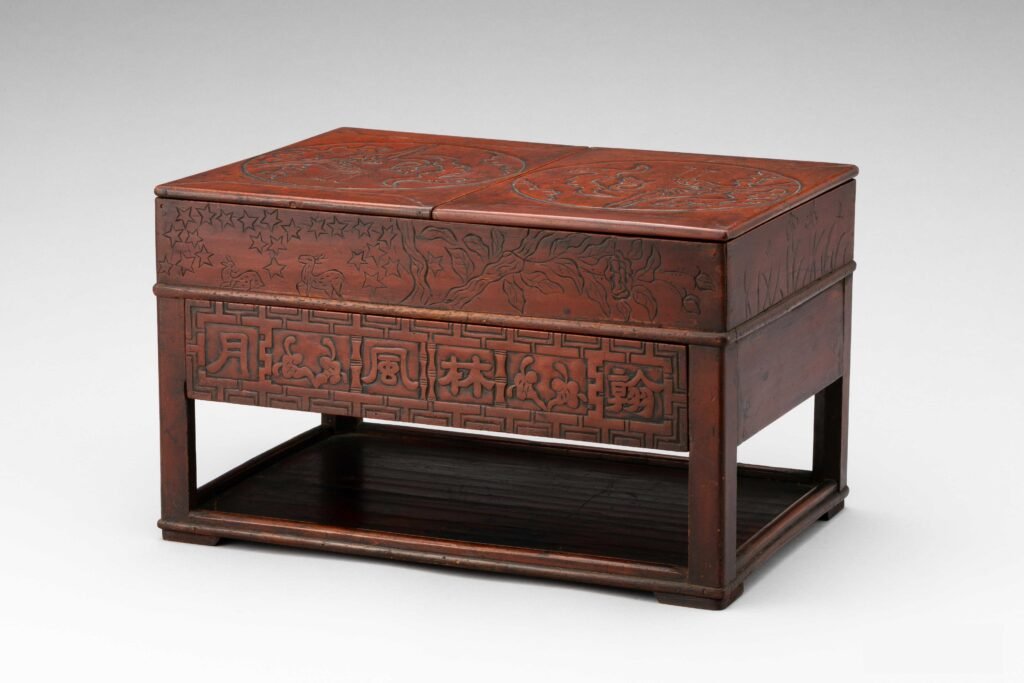
H. 25cm, W 45cm, D. 25cm.
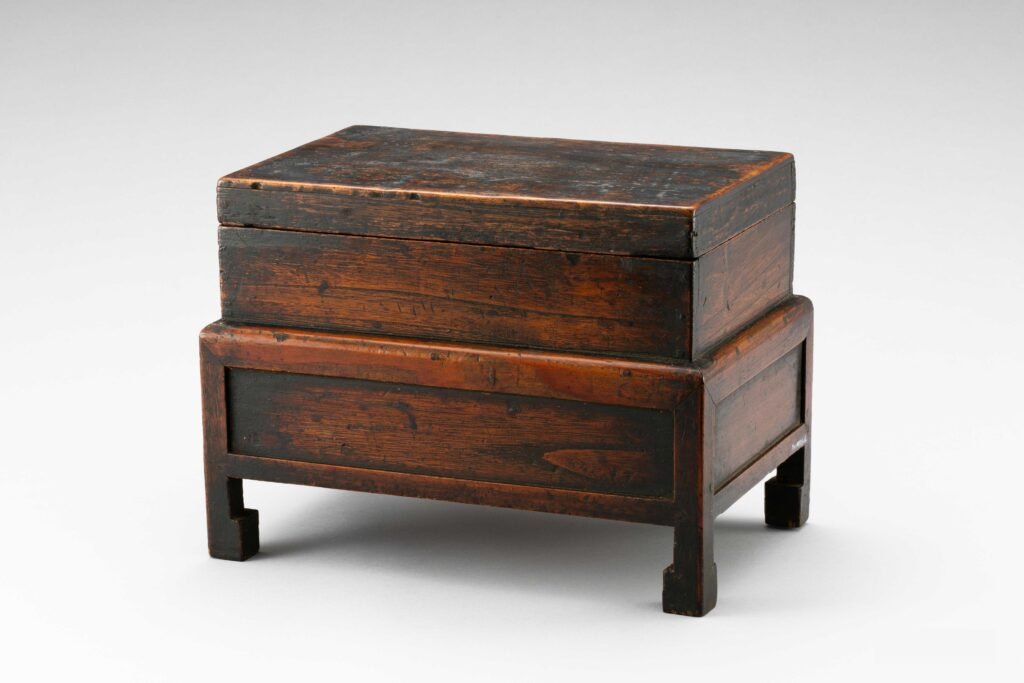


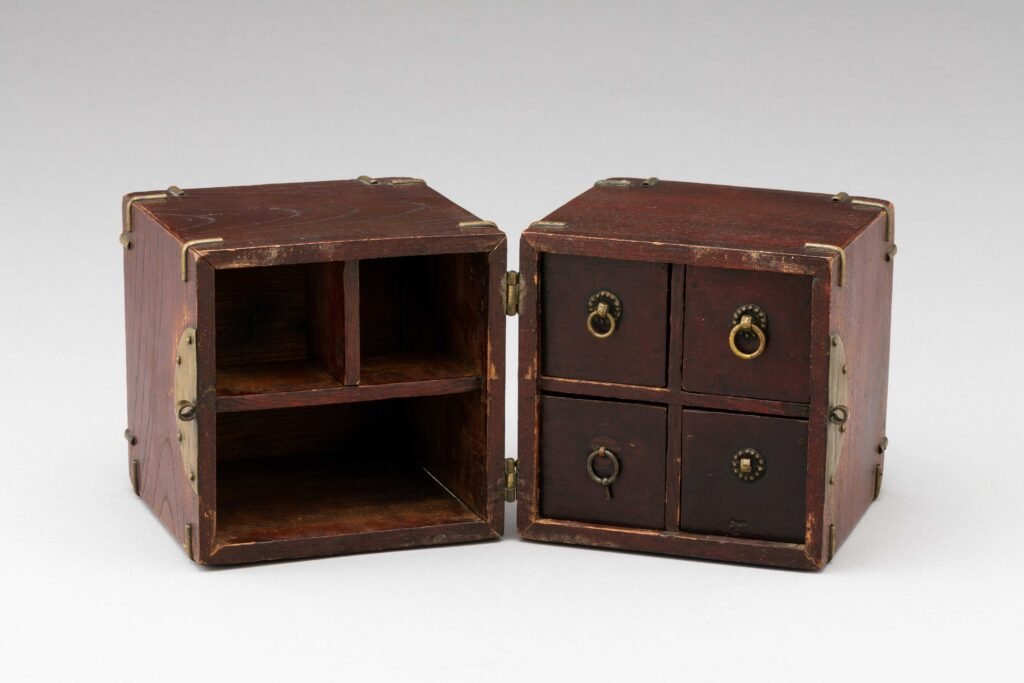

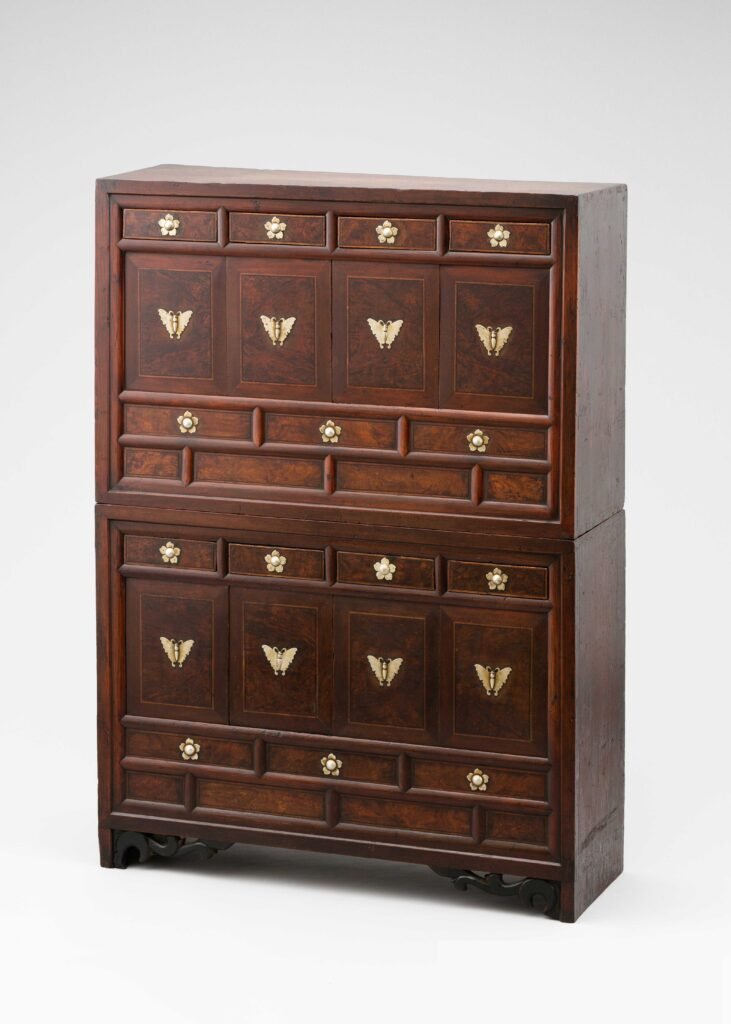

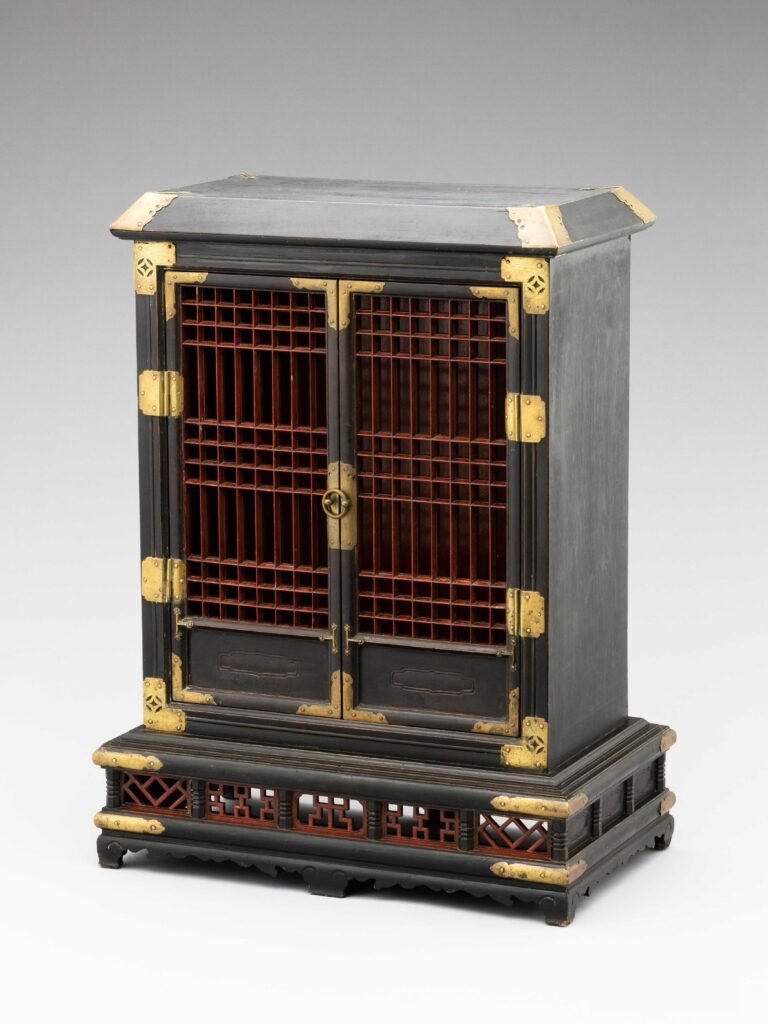
HWASEONG CITY HISTORY MUSEUM. 화성시 역사박물관. 96 Haengjeongdong-ro, Hyangnam-eup, Hwaseong-si,
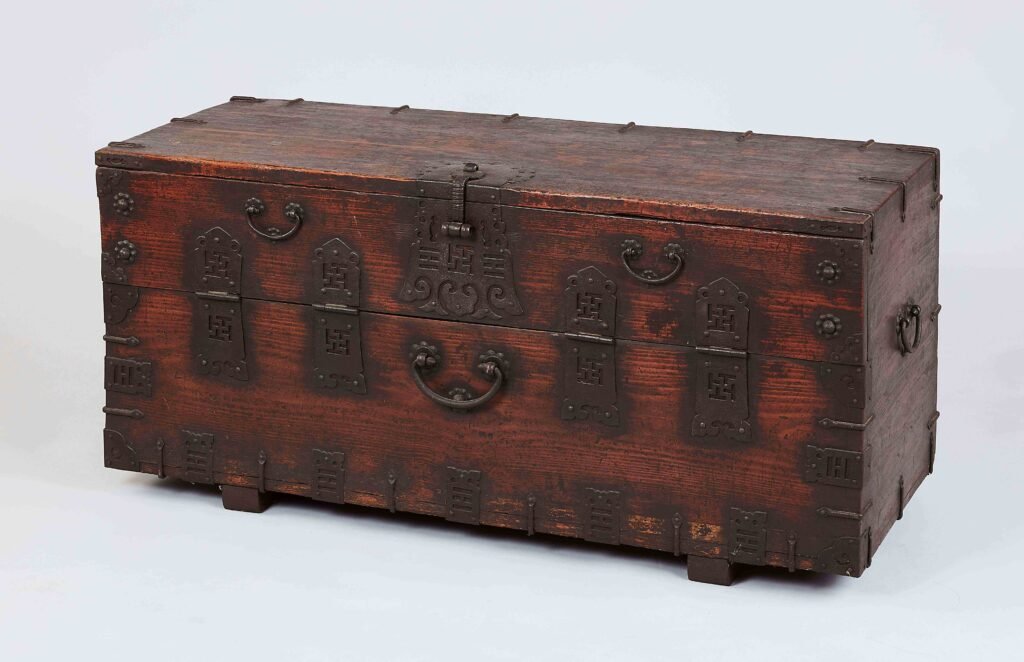

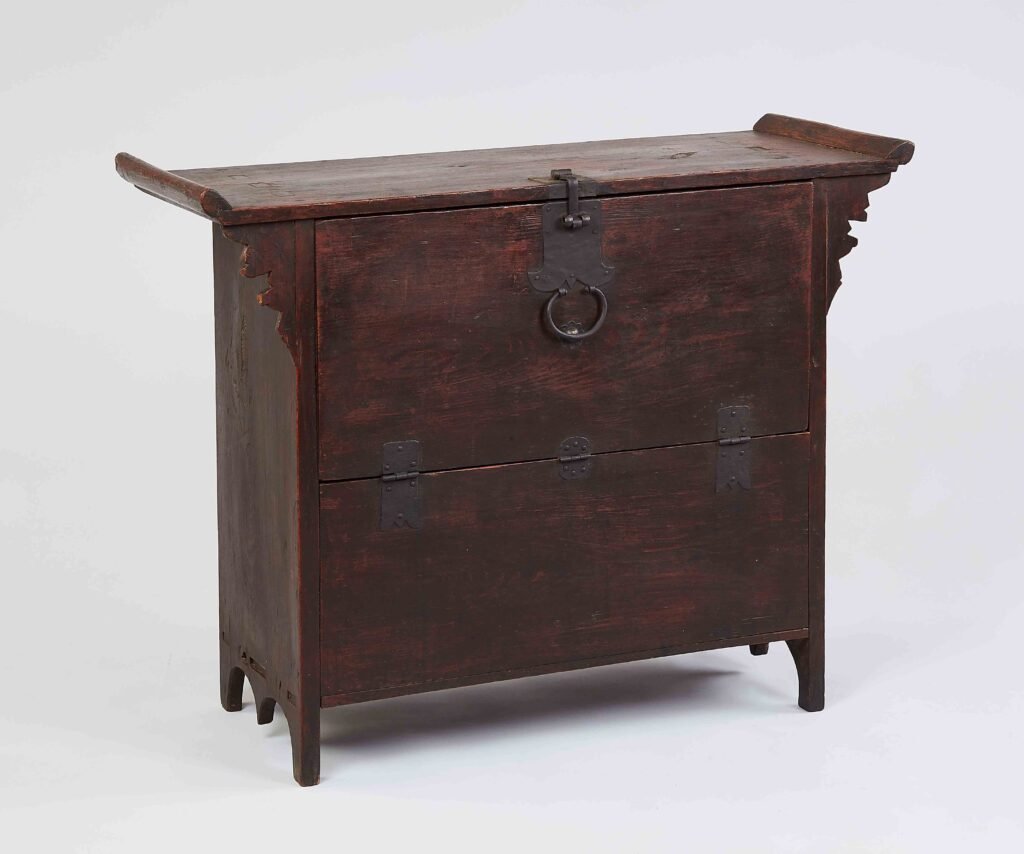
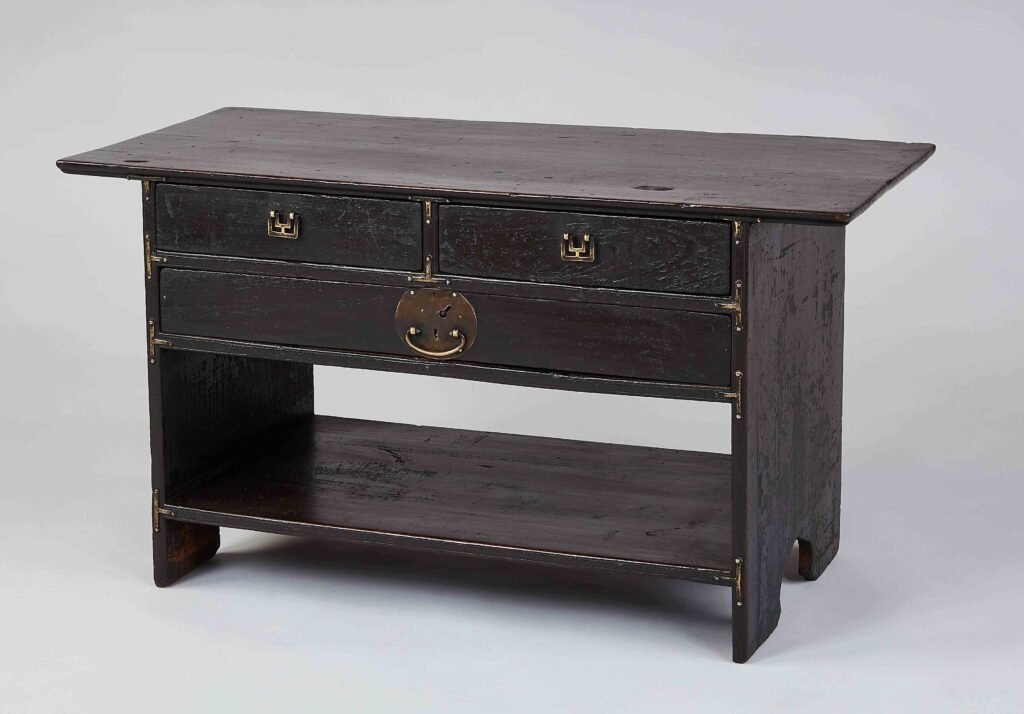
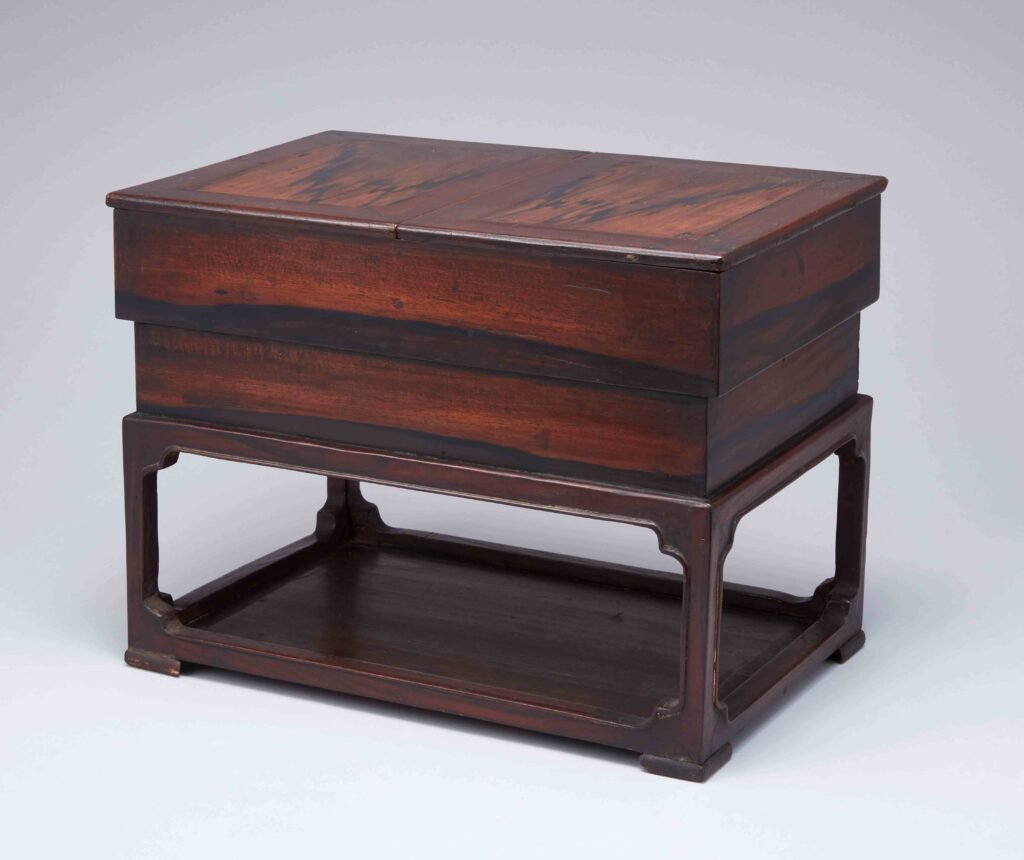
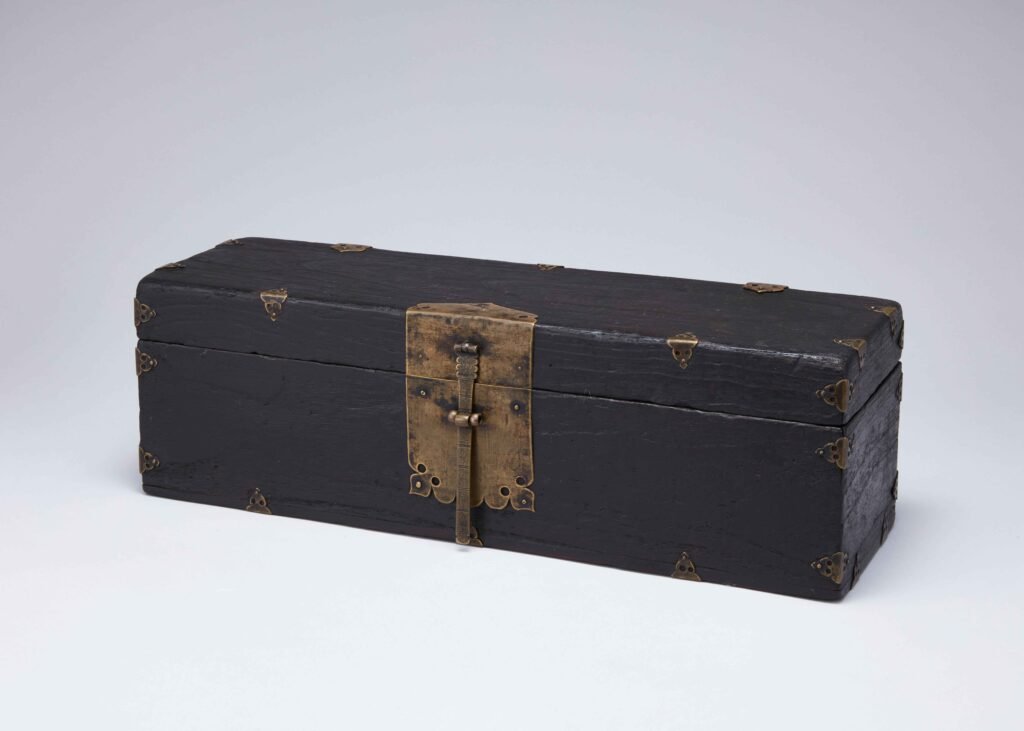
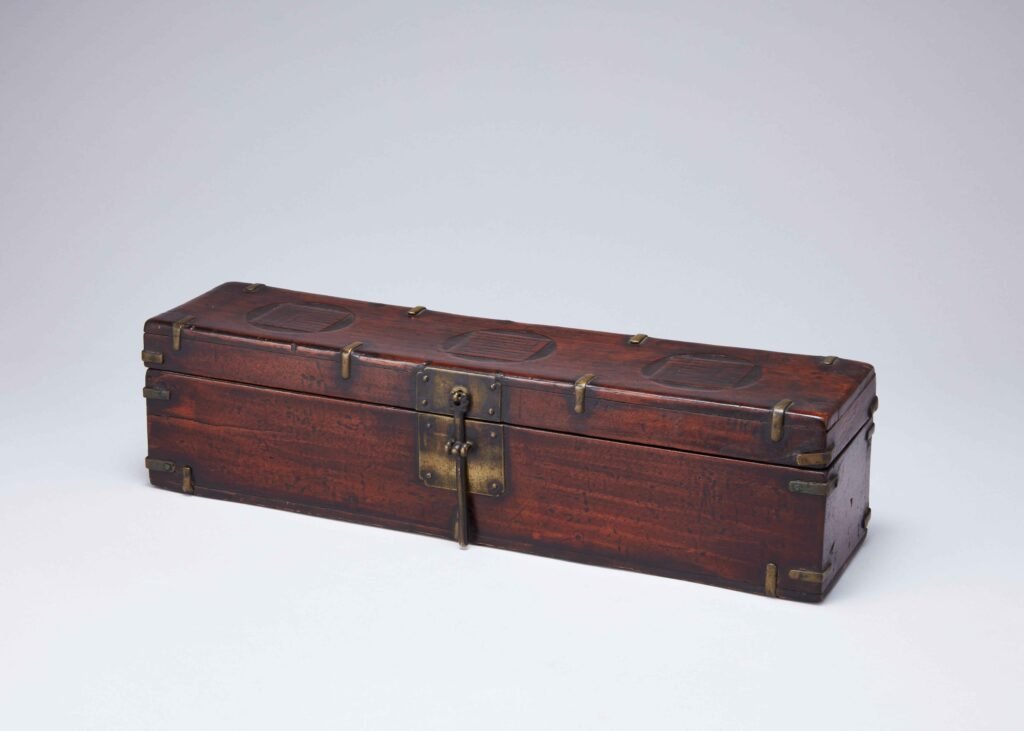
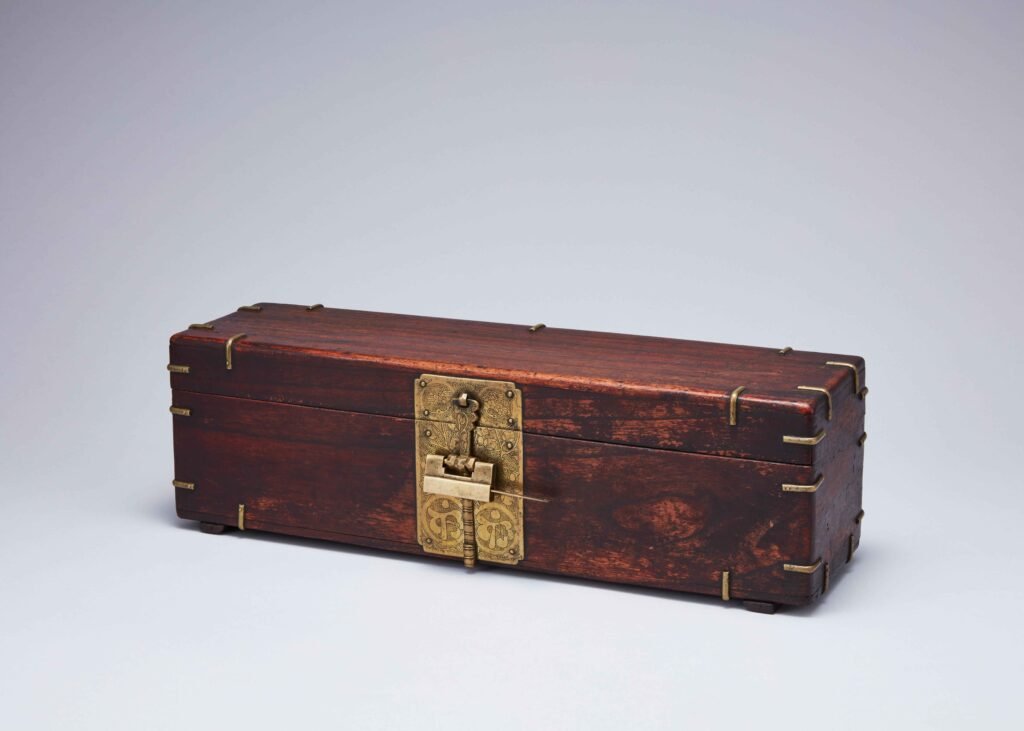
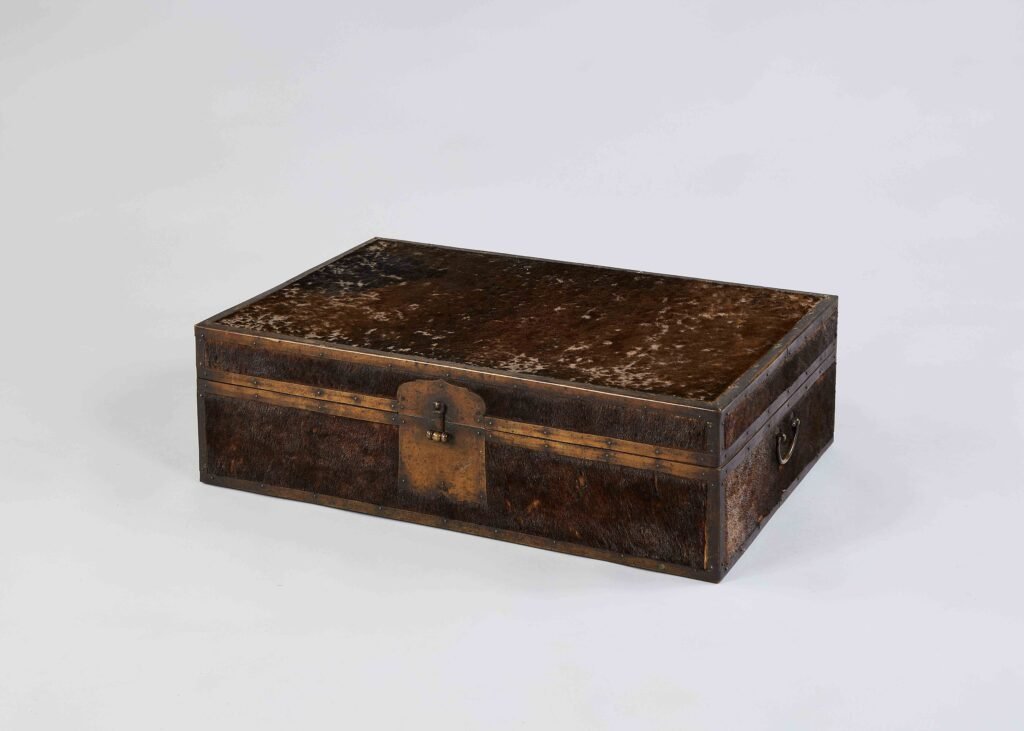
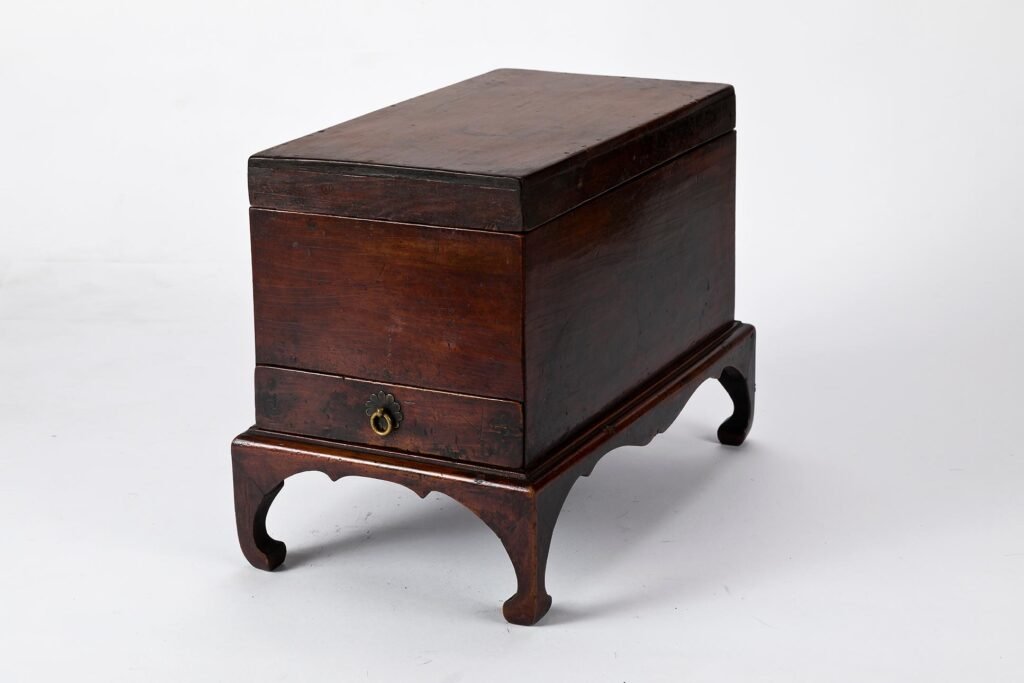
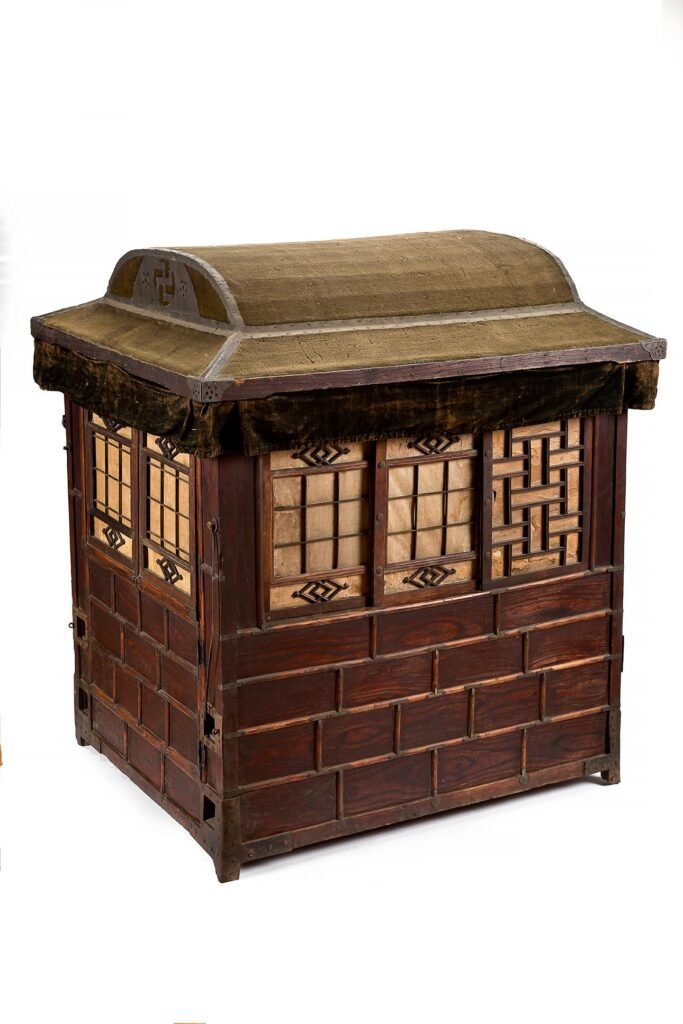
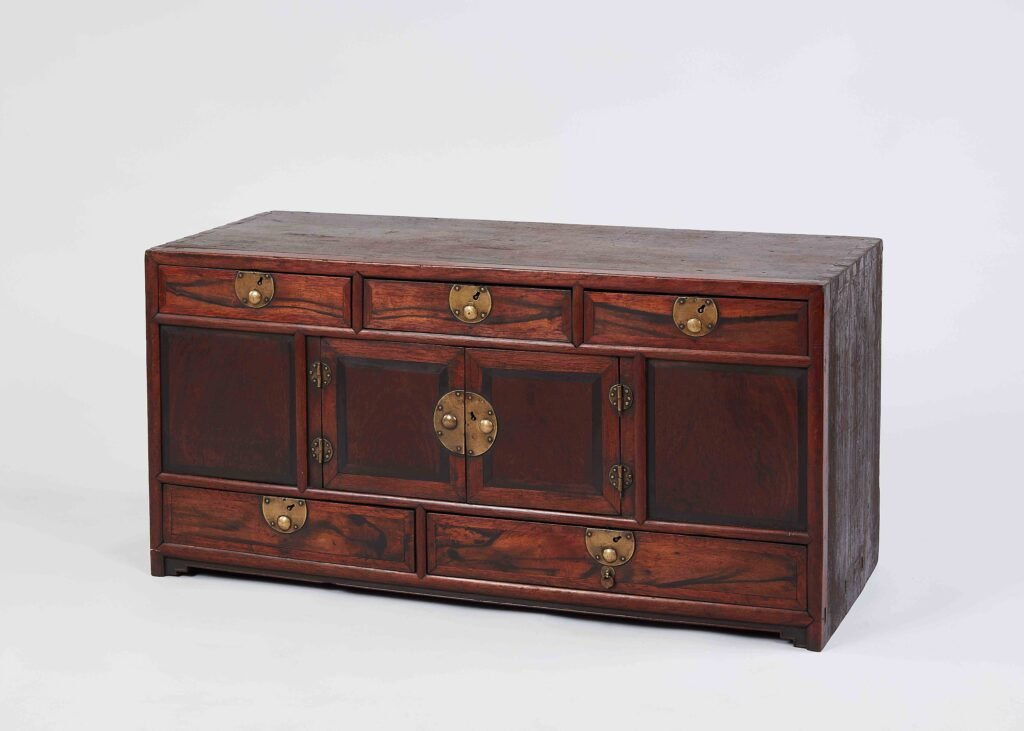
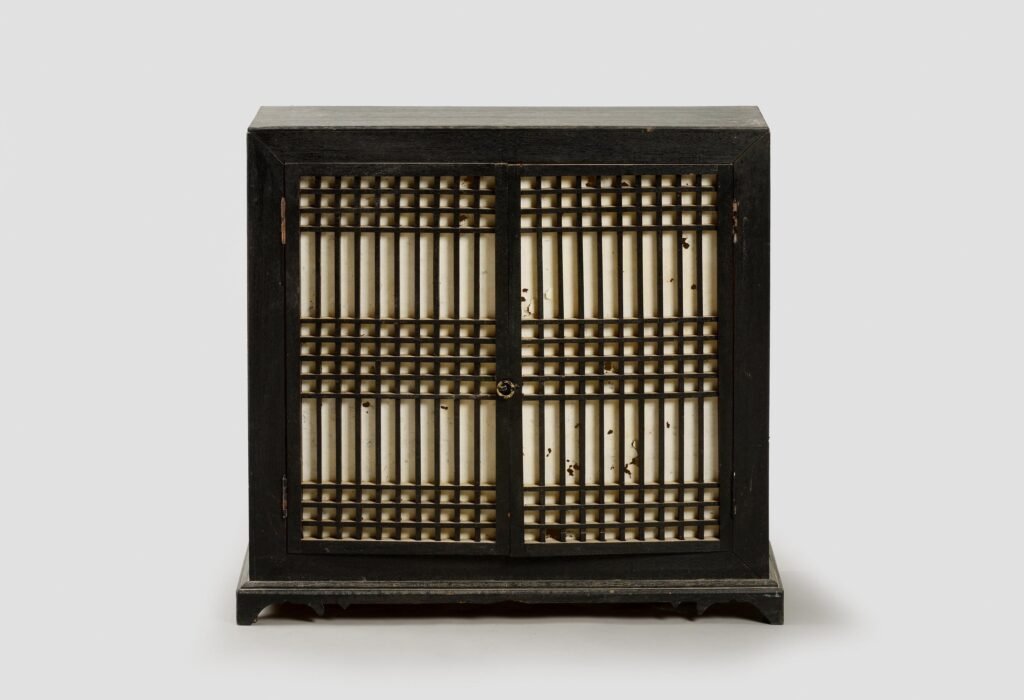
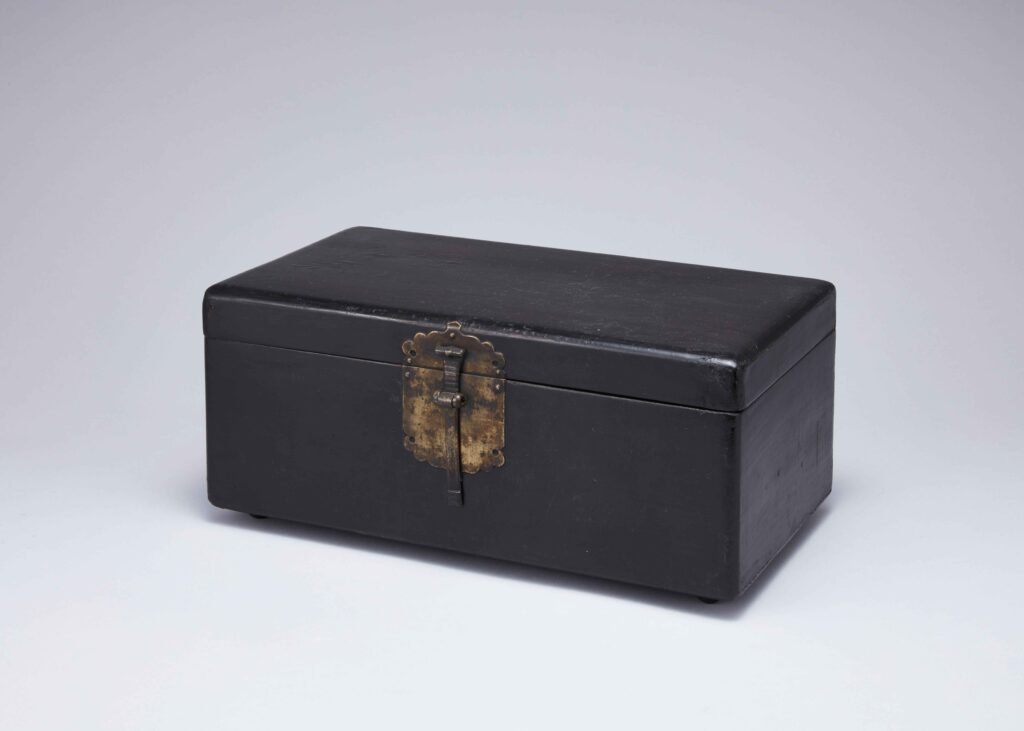

ONYANG FOLK MUSEUM, Onyang city.
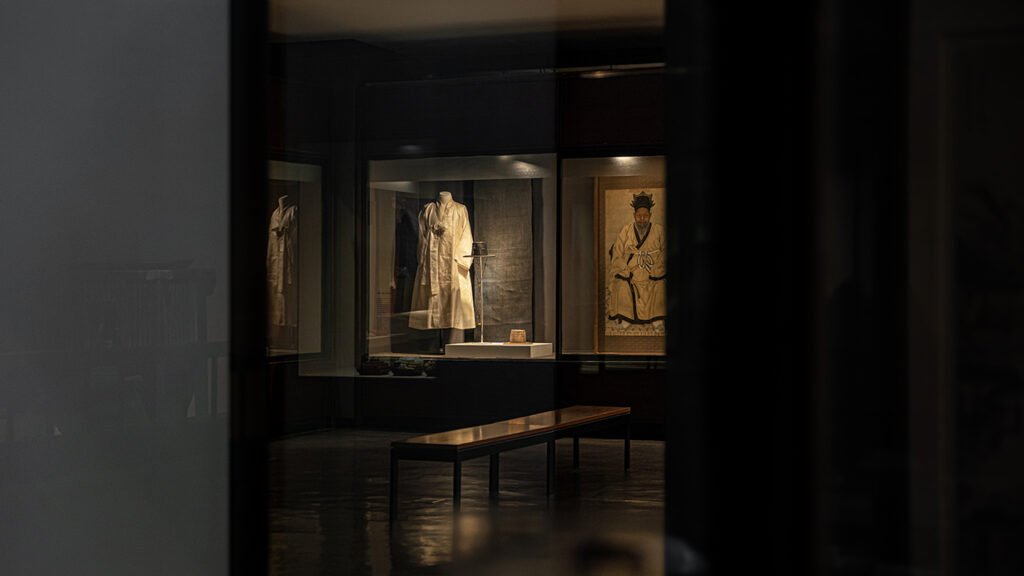
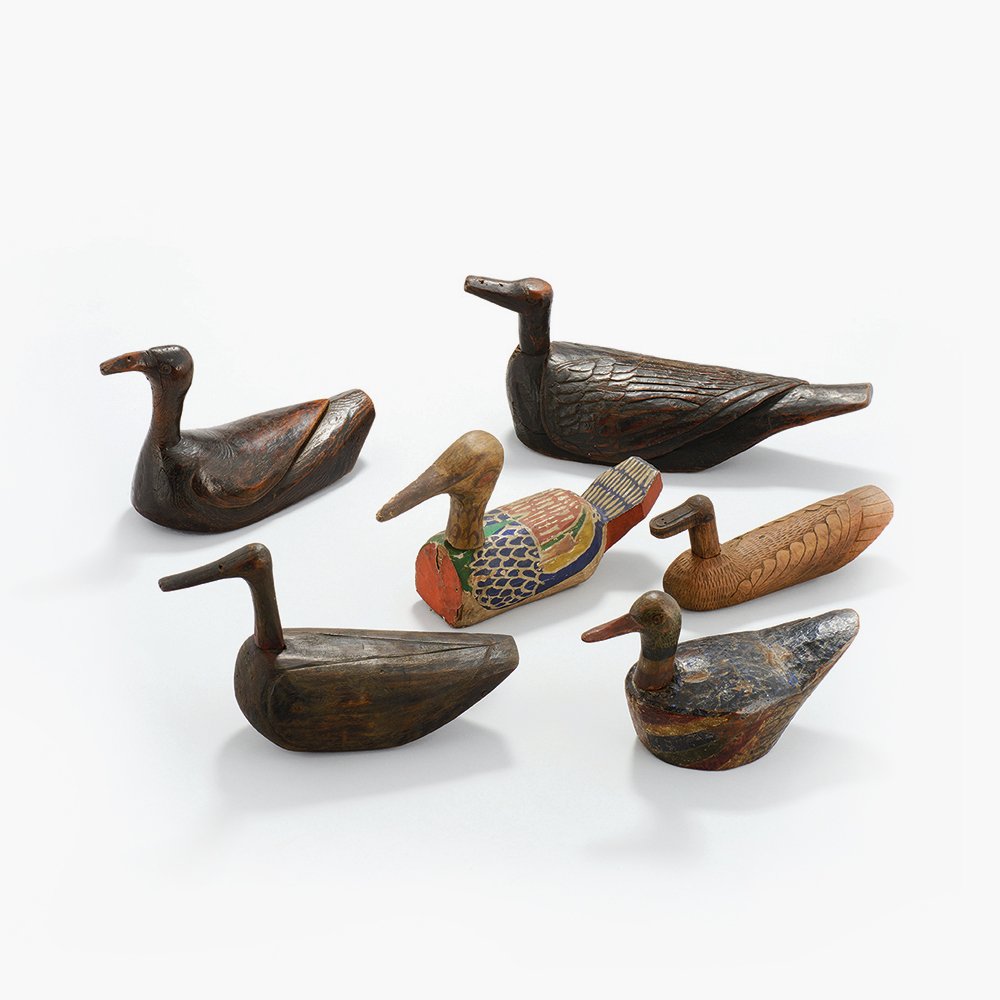
H. 25,5cm, W. 45,7cm.
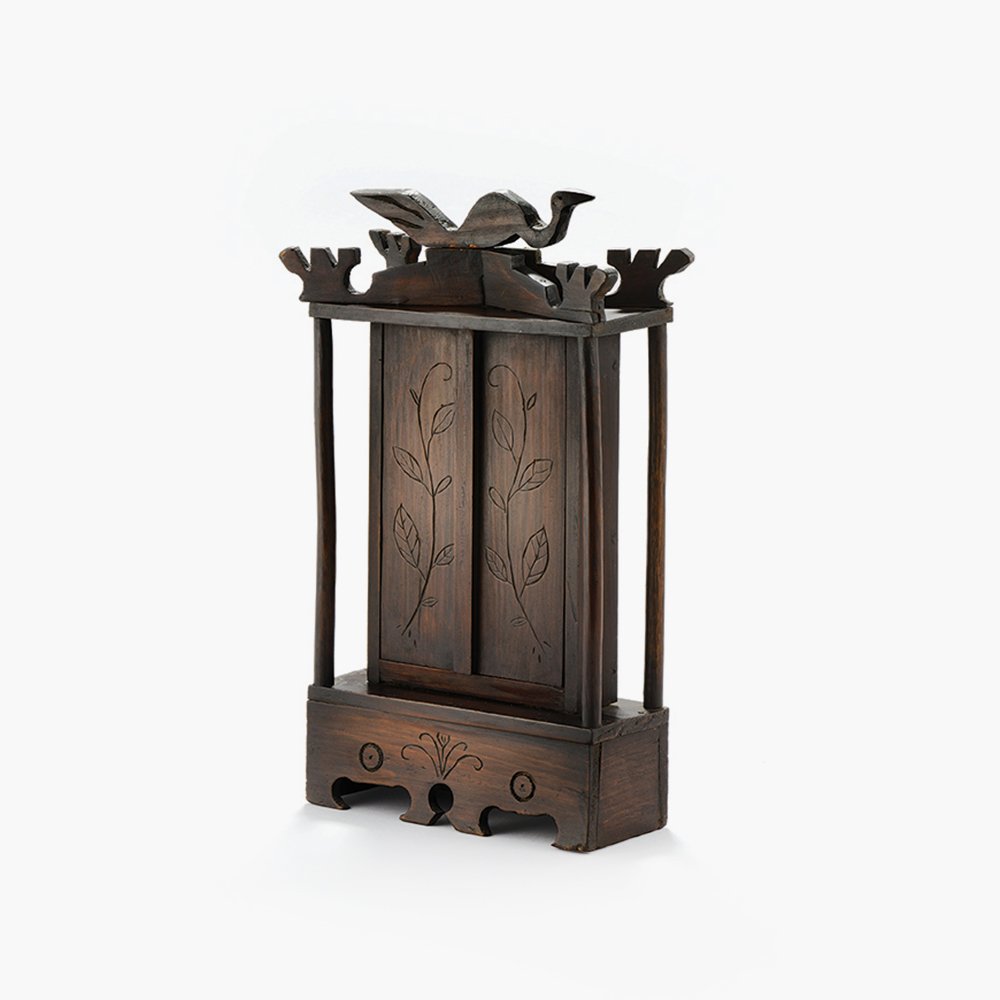
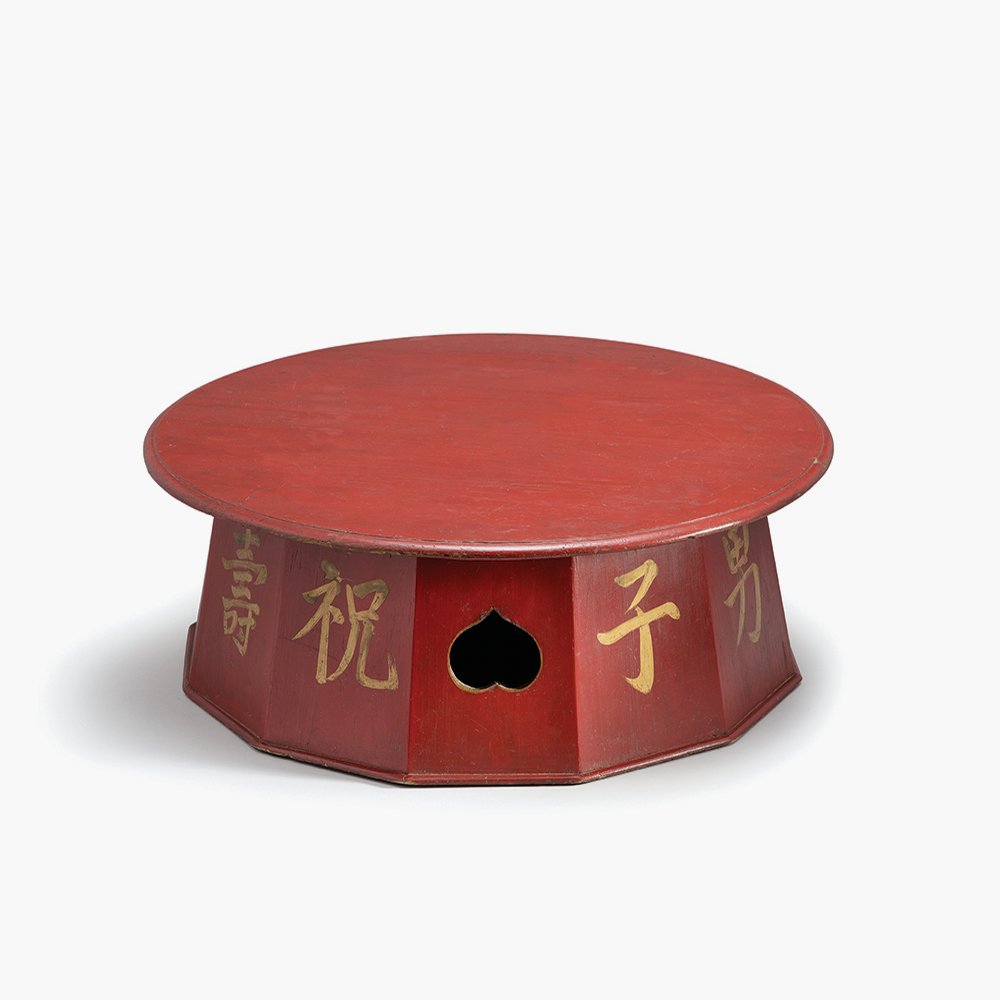
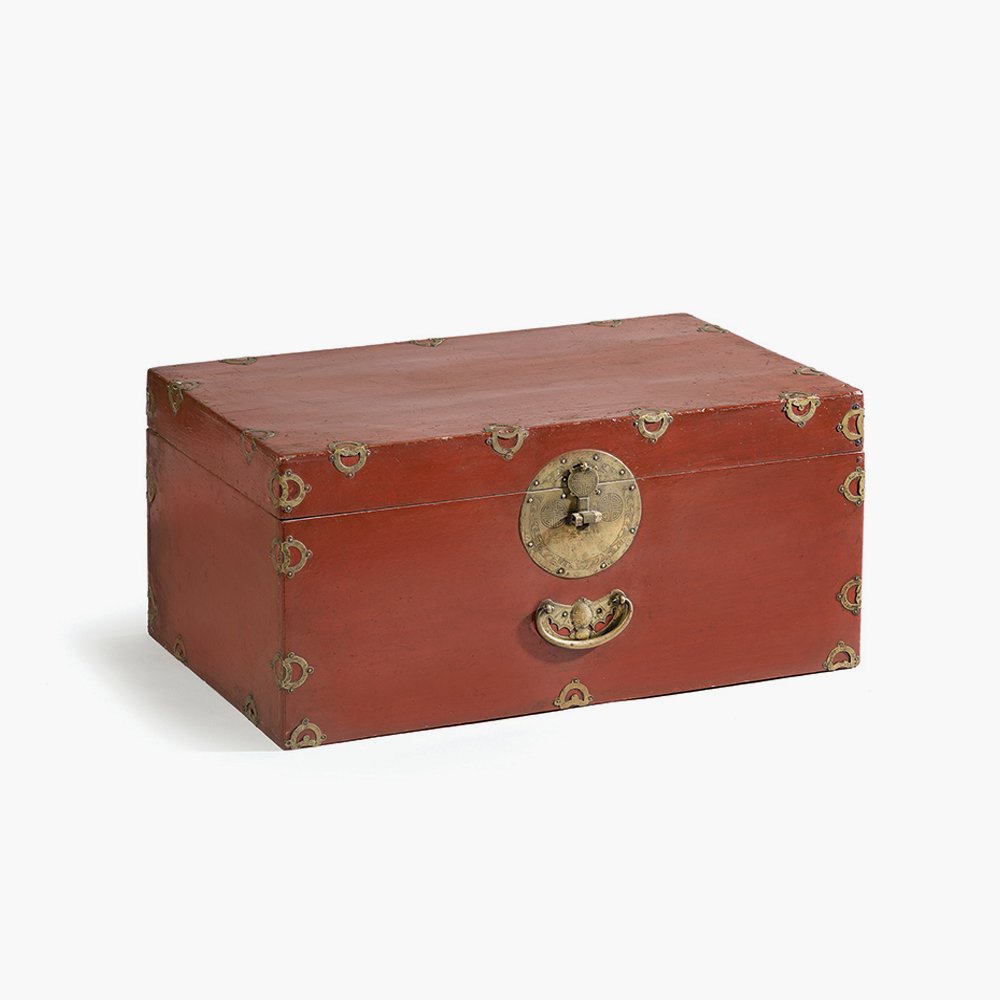
H. 44,8cm, W. 76cm, D. 36cm.
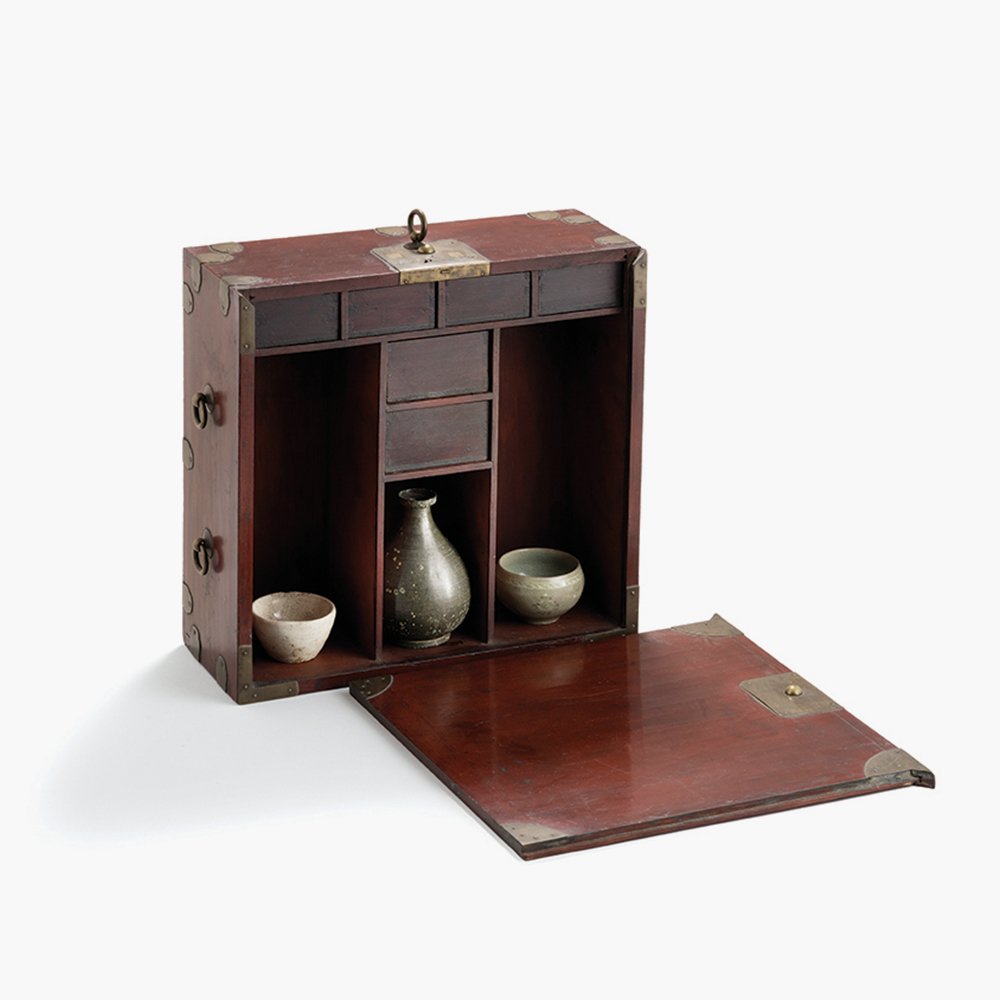
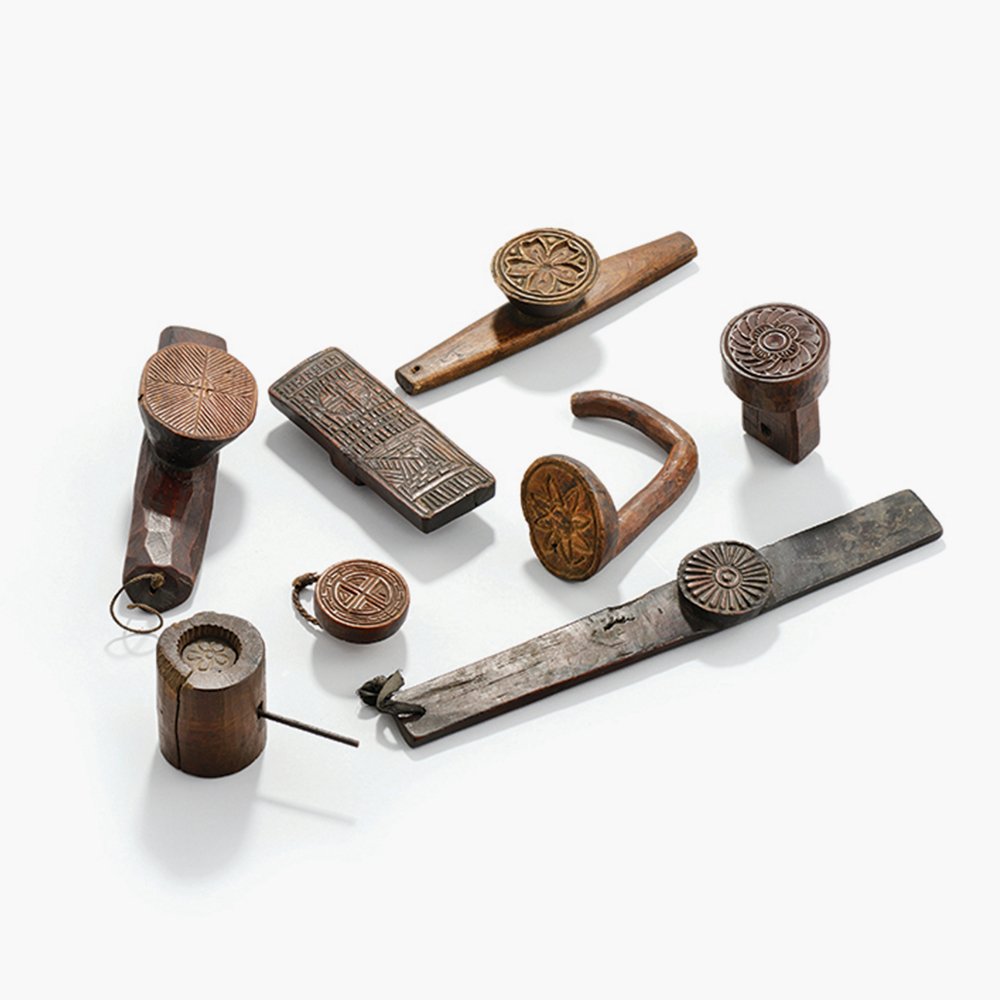
Zelkova wood.
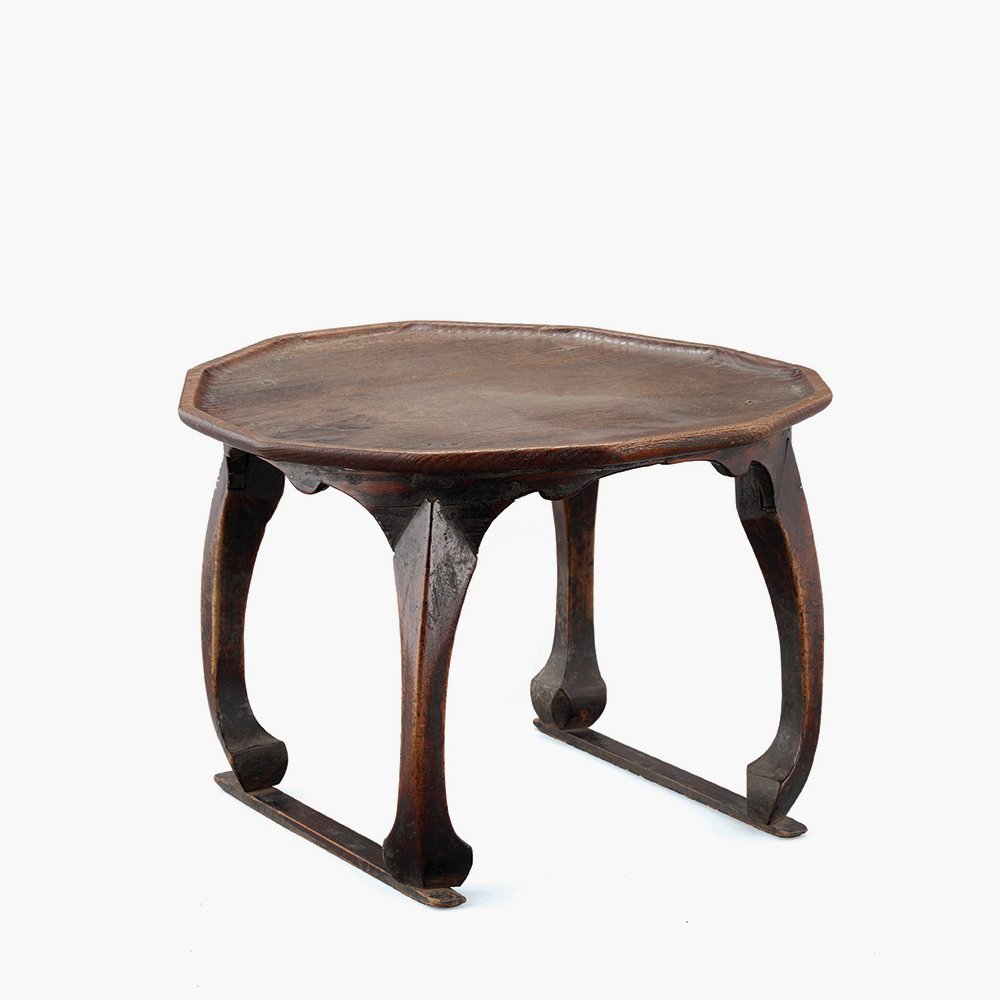
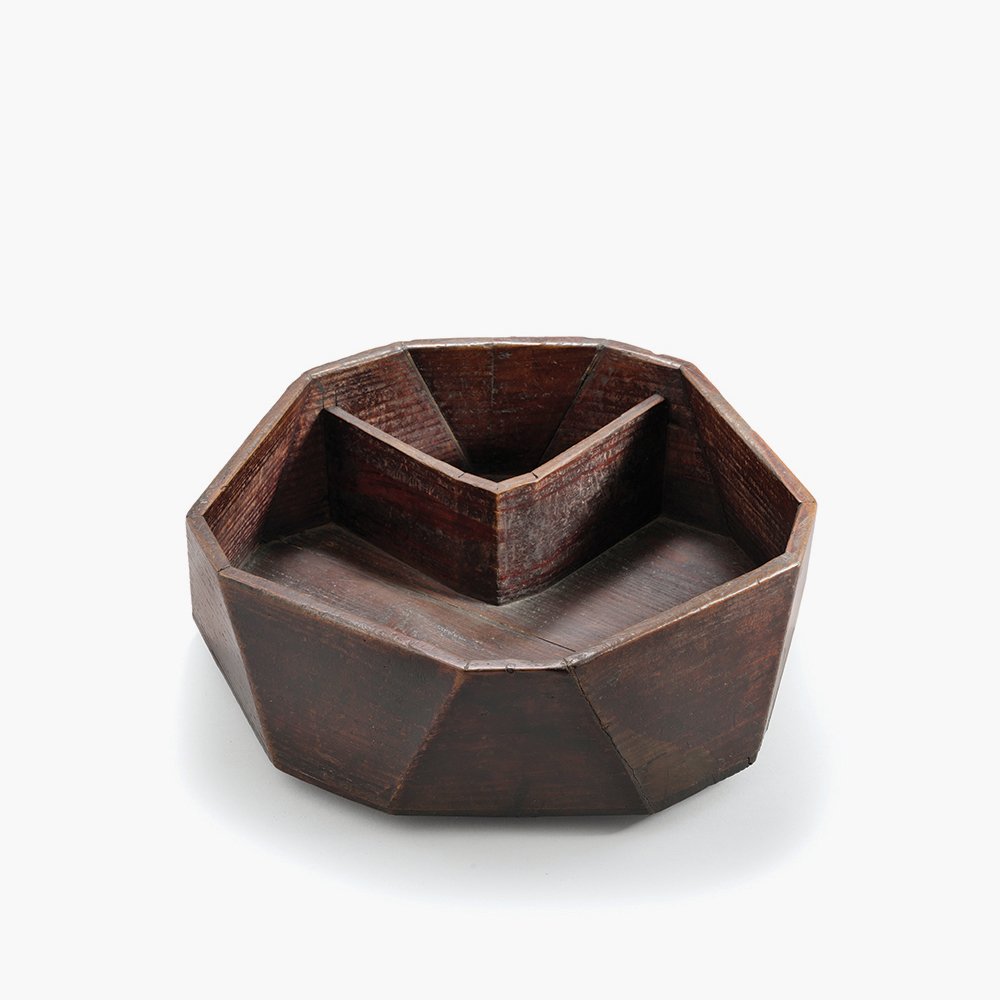
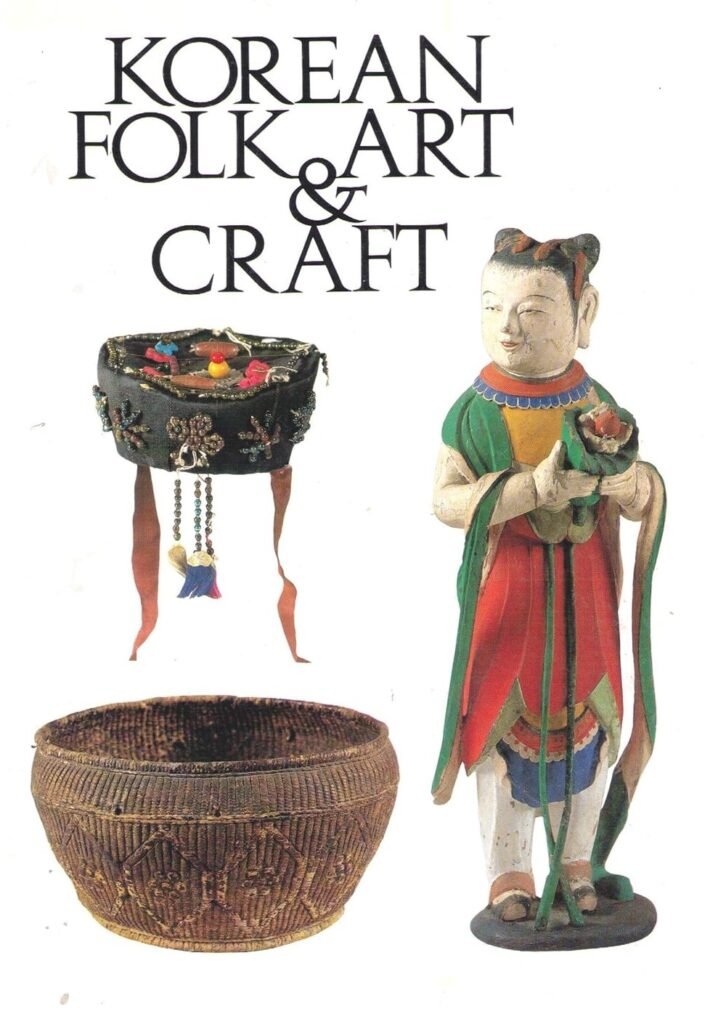
Publication on the Onyang Museum collection: Korean Folk Art & Craft. Edward B. Adams. Seoul International Publishing House. January 1, 1989.
GANGHWA HISTORY MUSEUM. 994-19 Ganghwa-daero, Hajom-myeon, Ganghwa-gun, Incheon Metropolitan City.
LINK: Ganghwa History Museum.
OTHER INSTITUTIONS IN GYEONGGI DO PROVINCE.
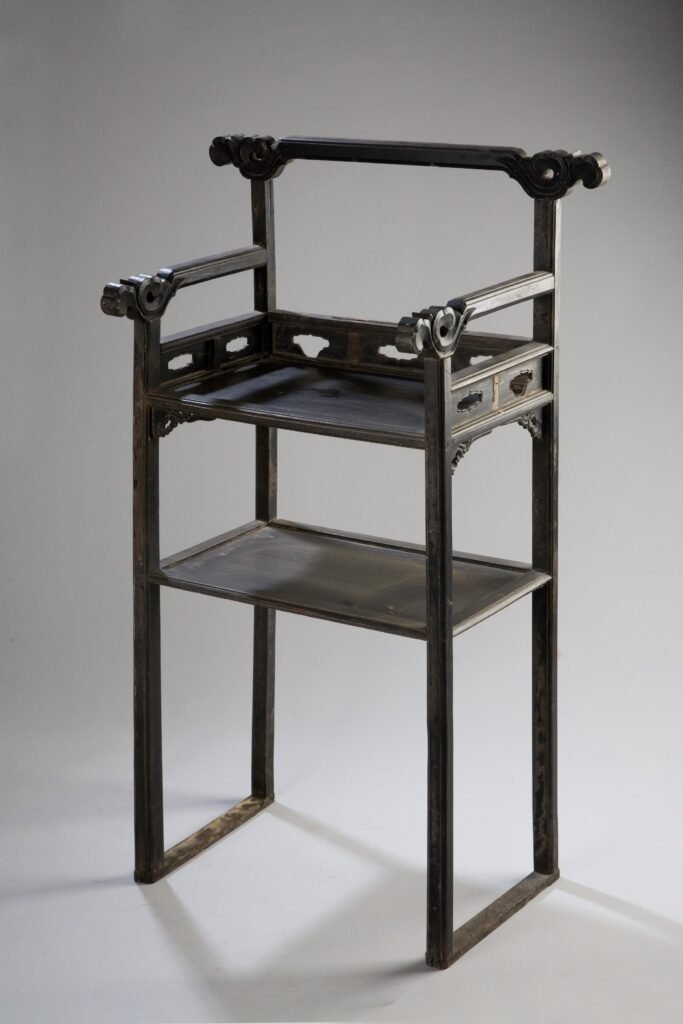

Collection: Pocheon History and Culture Museum
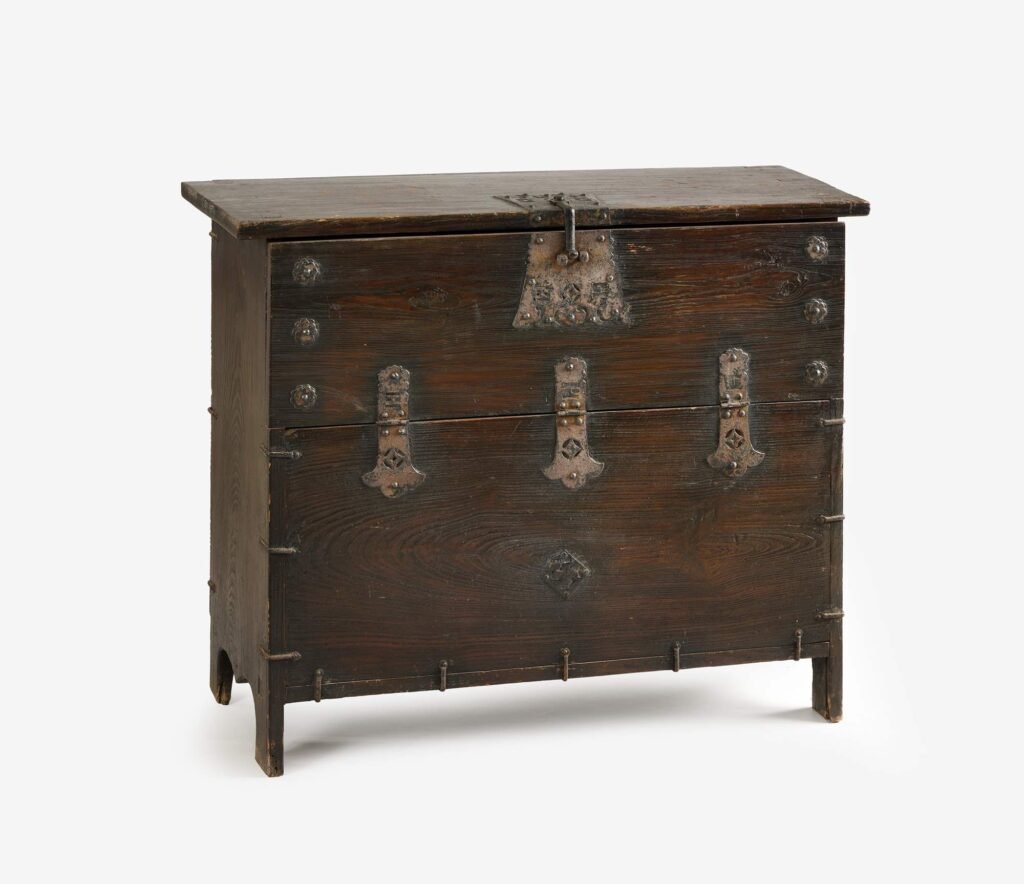
Collection: Yeoju Museum.
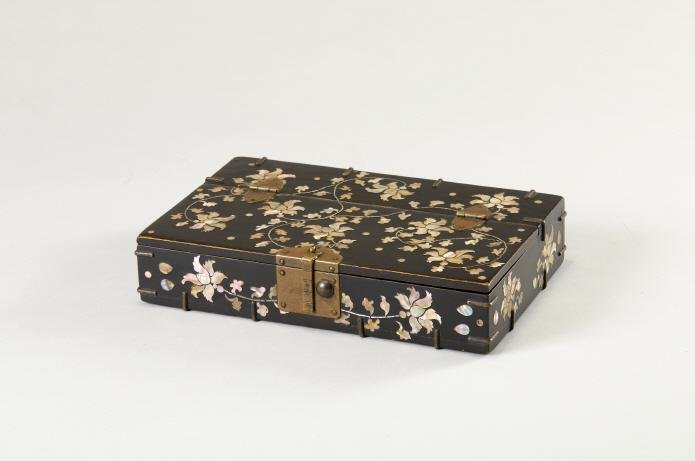
Collection: Anyang Museum.

Collection: Hwaseong City History Museum
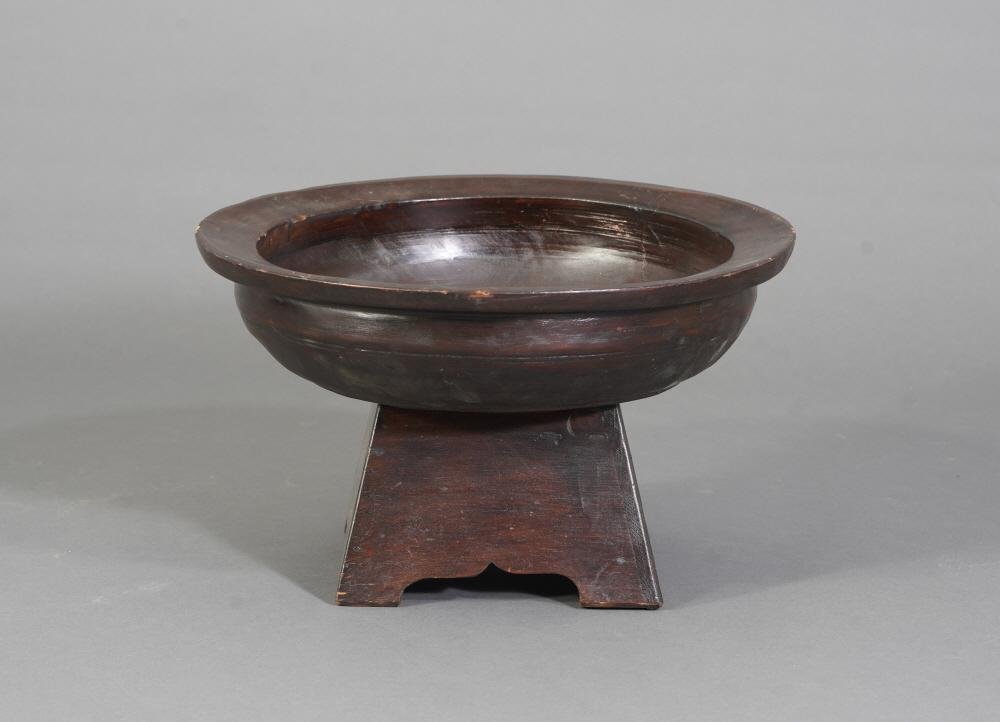
Collection: Pocheon History and Culture Museum

Collection: Anyang Museum.

Collection: Anyang Museum

H. 35cm, W. 69cm, D. 18cm. Collection: Songpa Book Museum
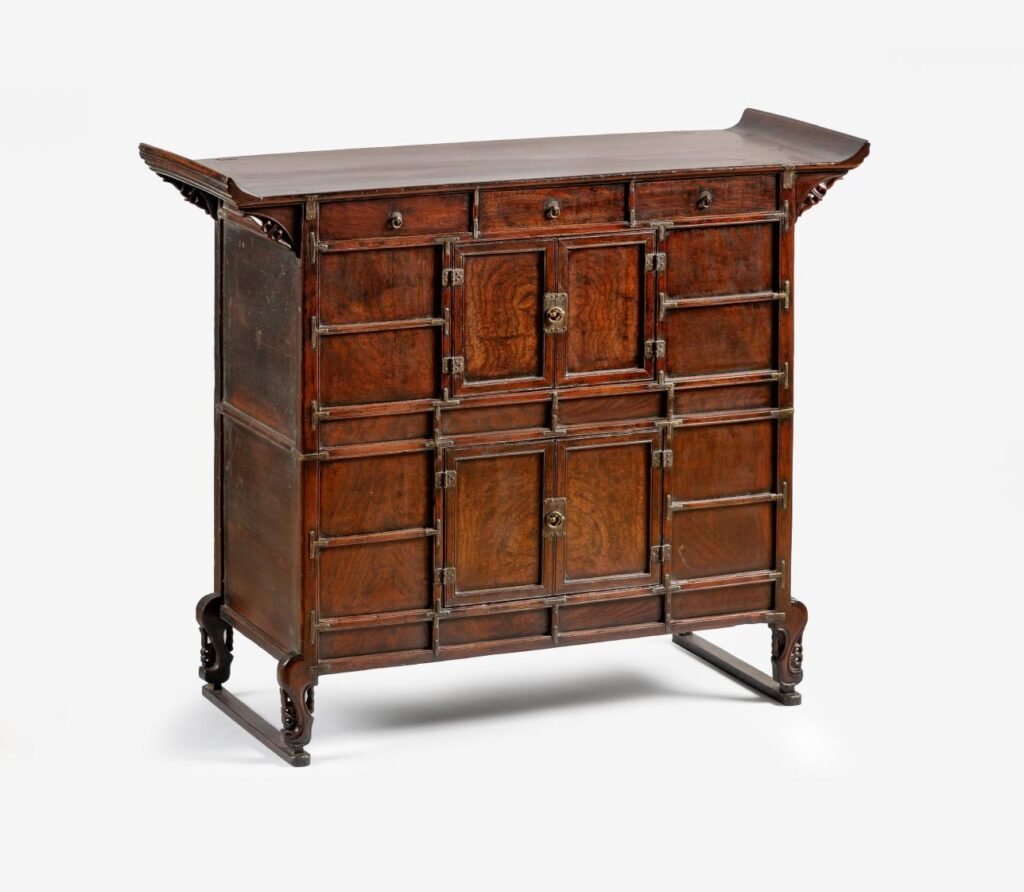
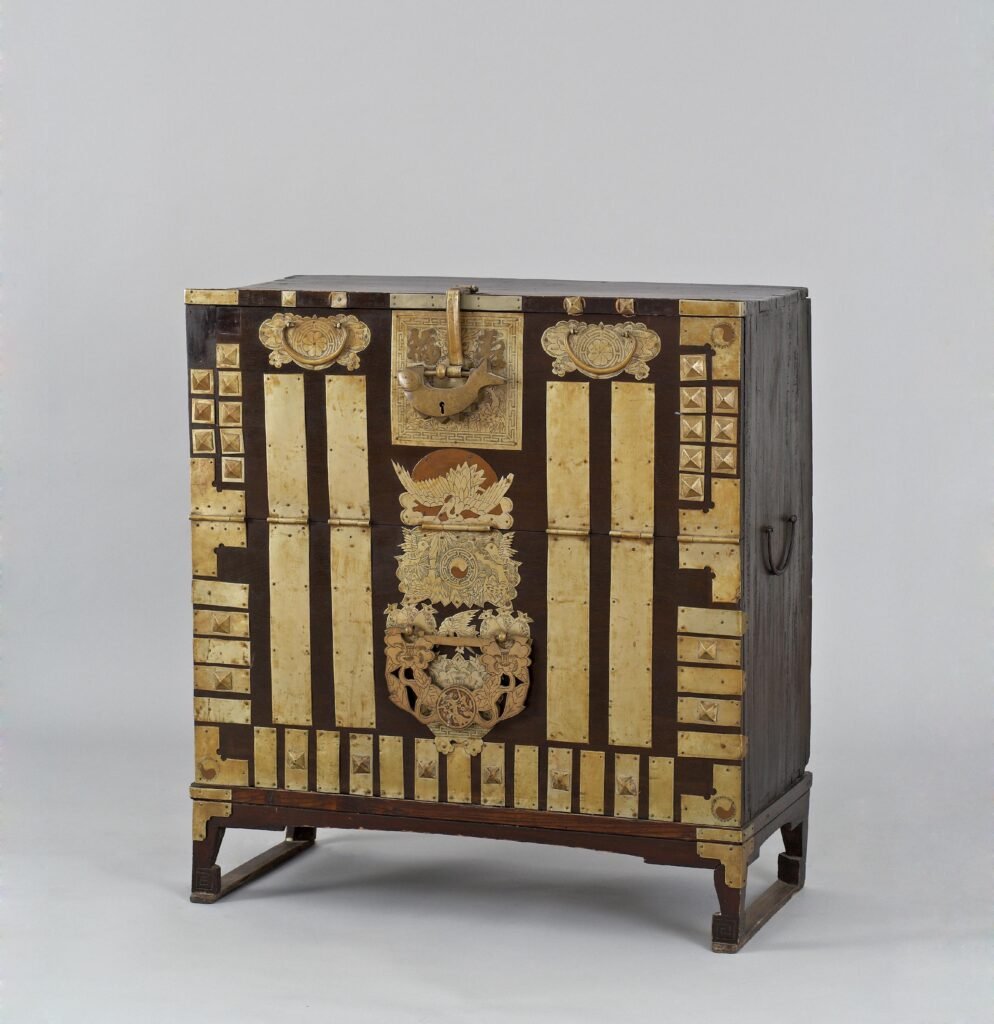
Collection: Kyungwoon Museum.

H. 156cm, W. 79cm, D. 42cm. Collection: Kyungwoon Museum.

H. 159,5cm, W. 84,5cm, D. 47,5cm.
Collection: Songpa Book Museum.
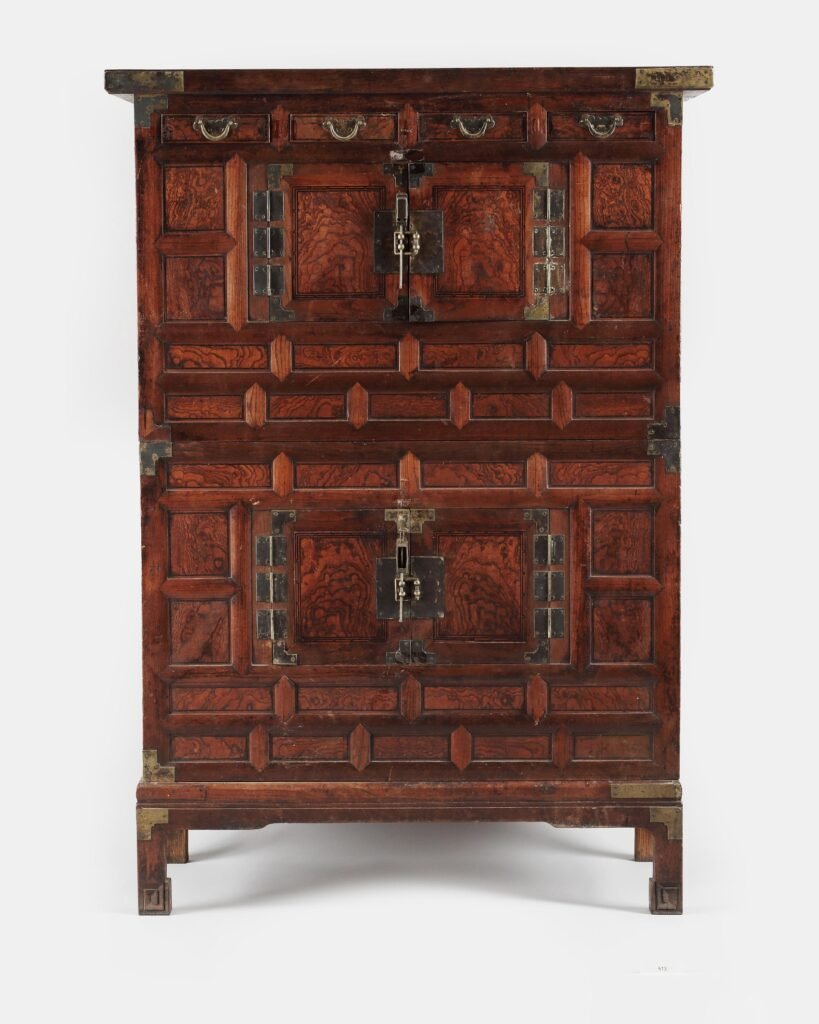
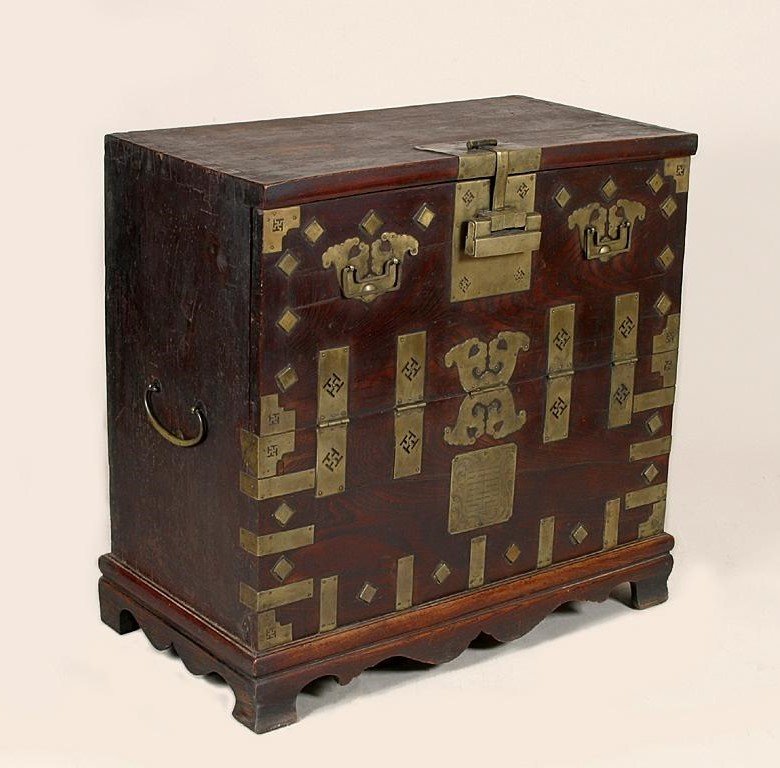
Collection: Gyeonggi University Plastic Museum.
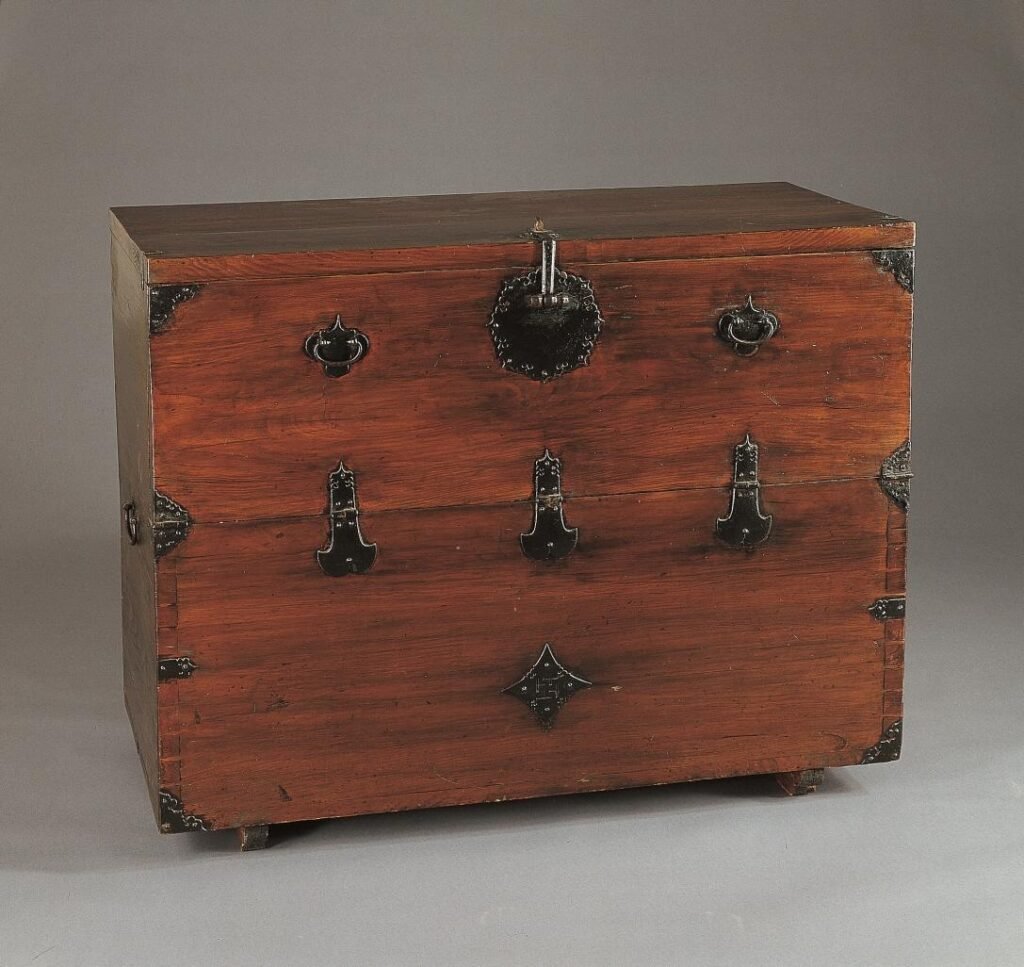
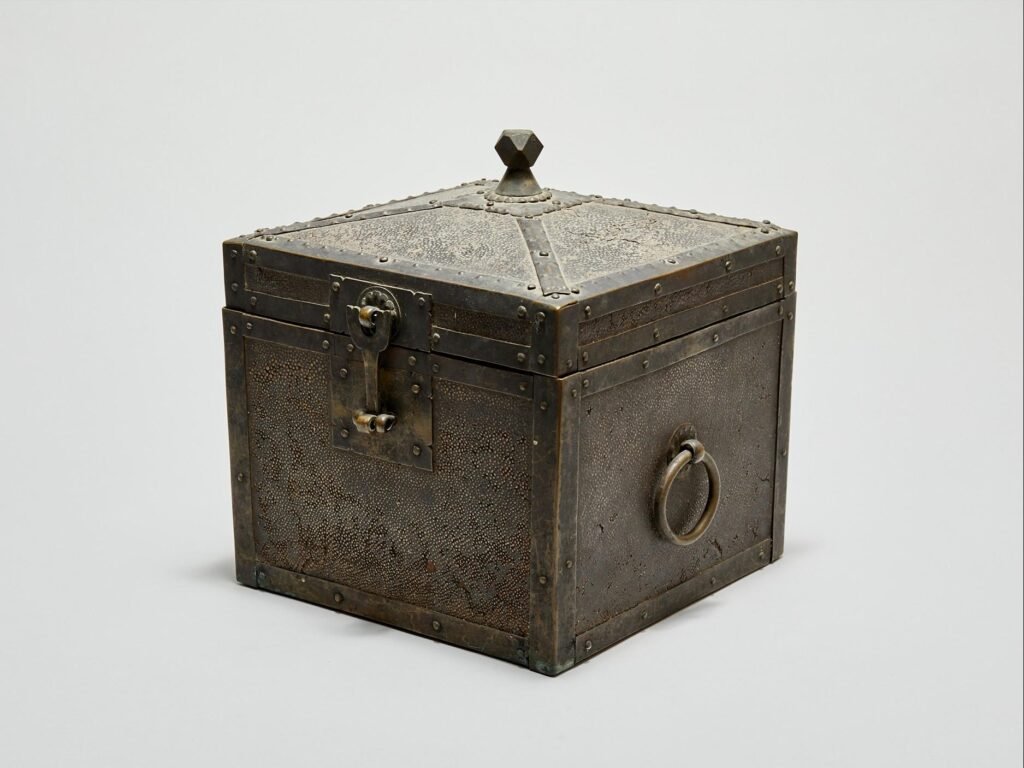
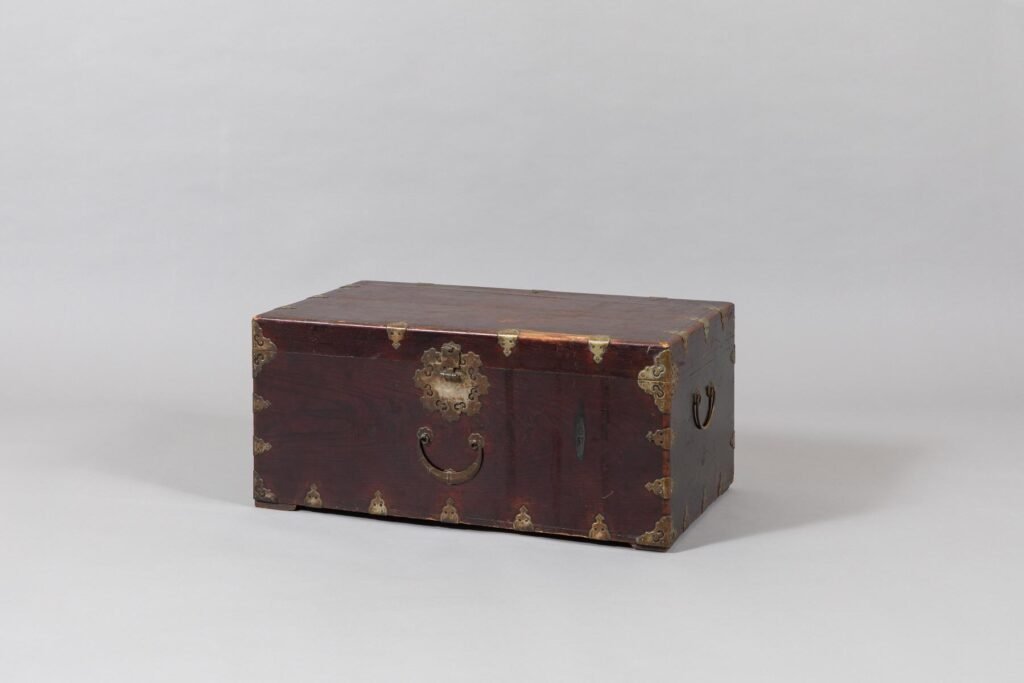
Collection: Dongguk University.
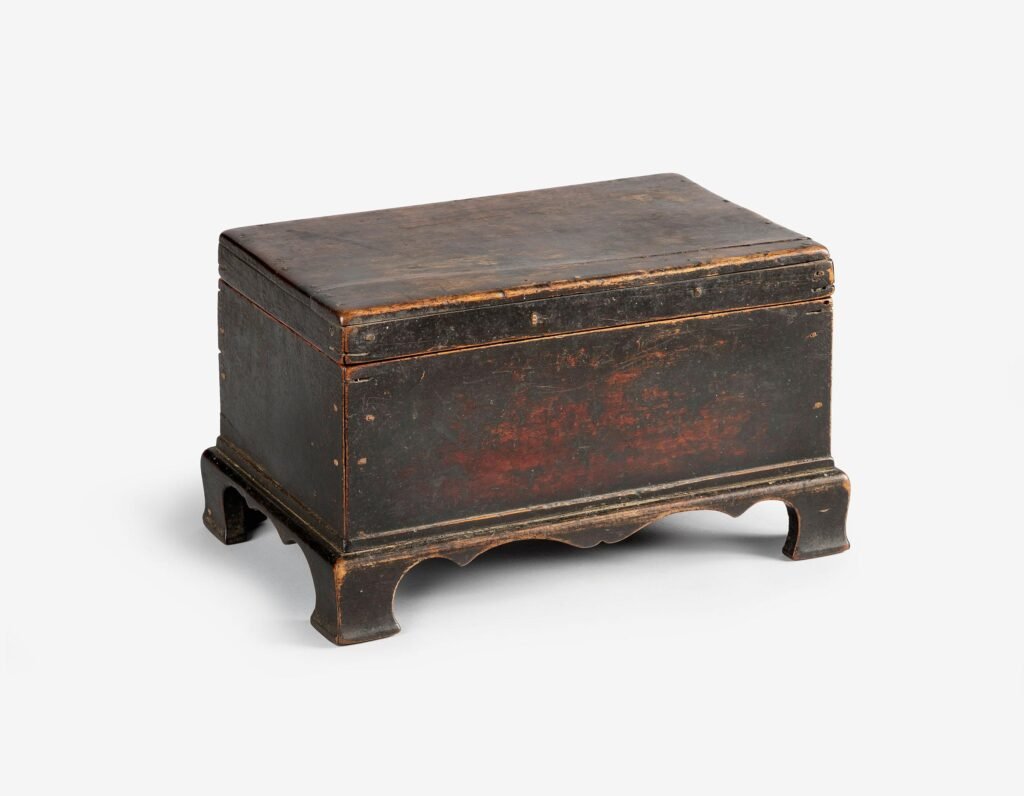
Collection: Songpa Book Museum.
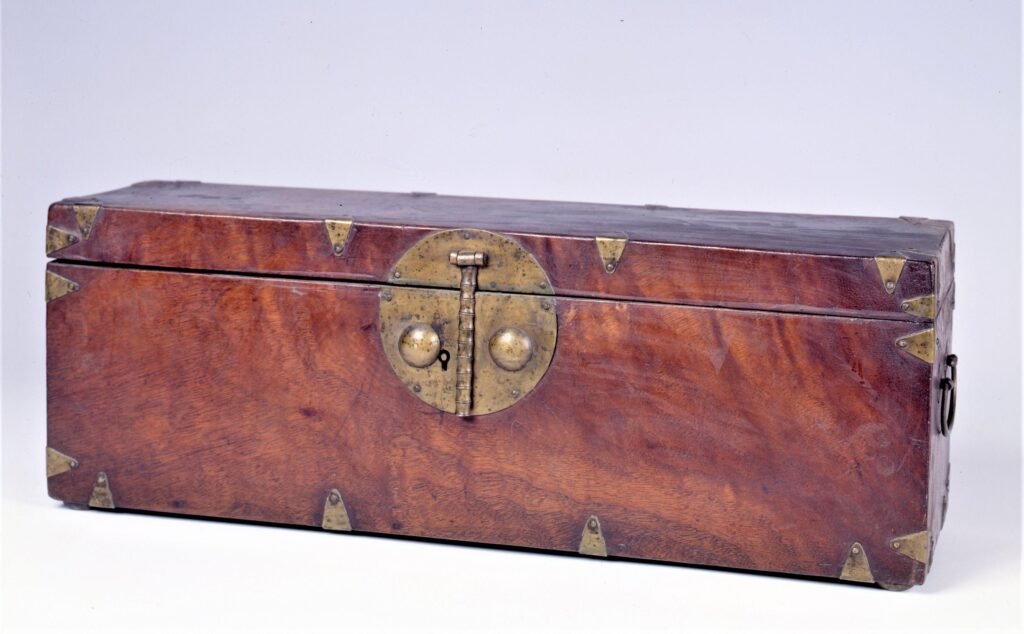
Collection: Seoul National University Museum.
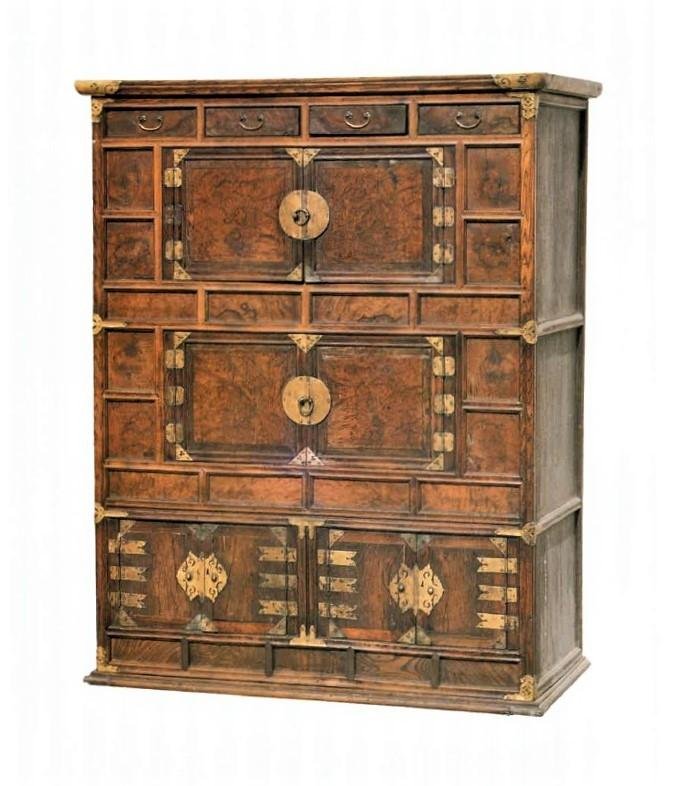
Collection: Seoul National University Museum.
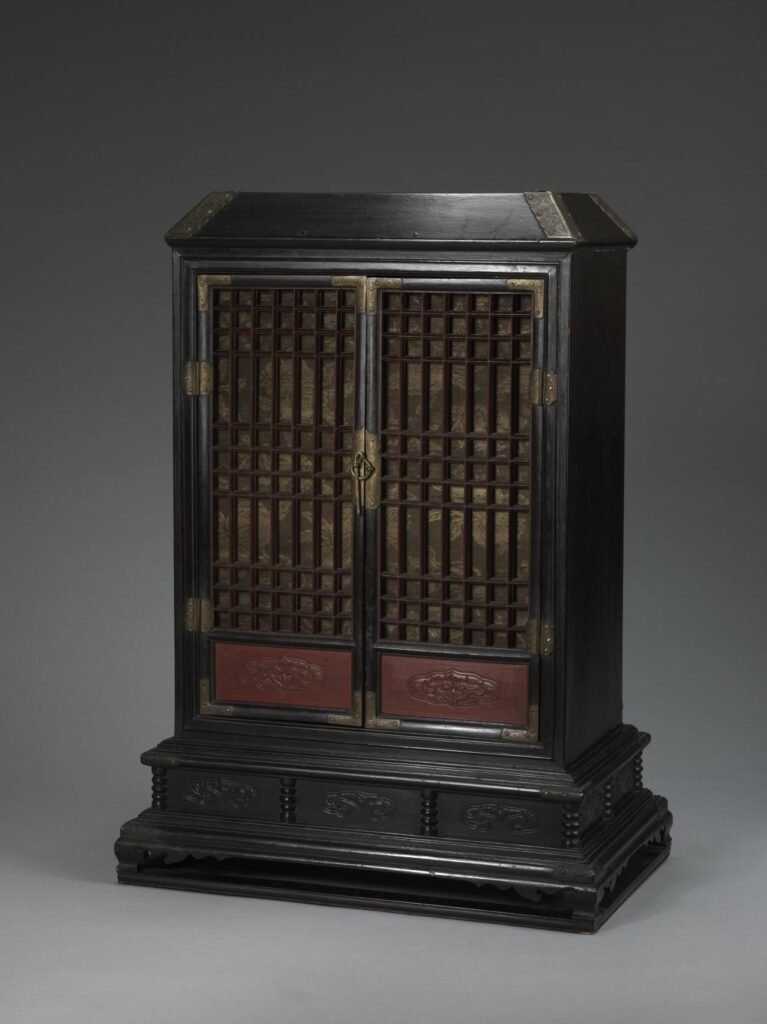
Collection: Seoul National University Museum.
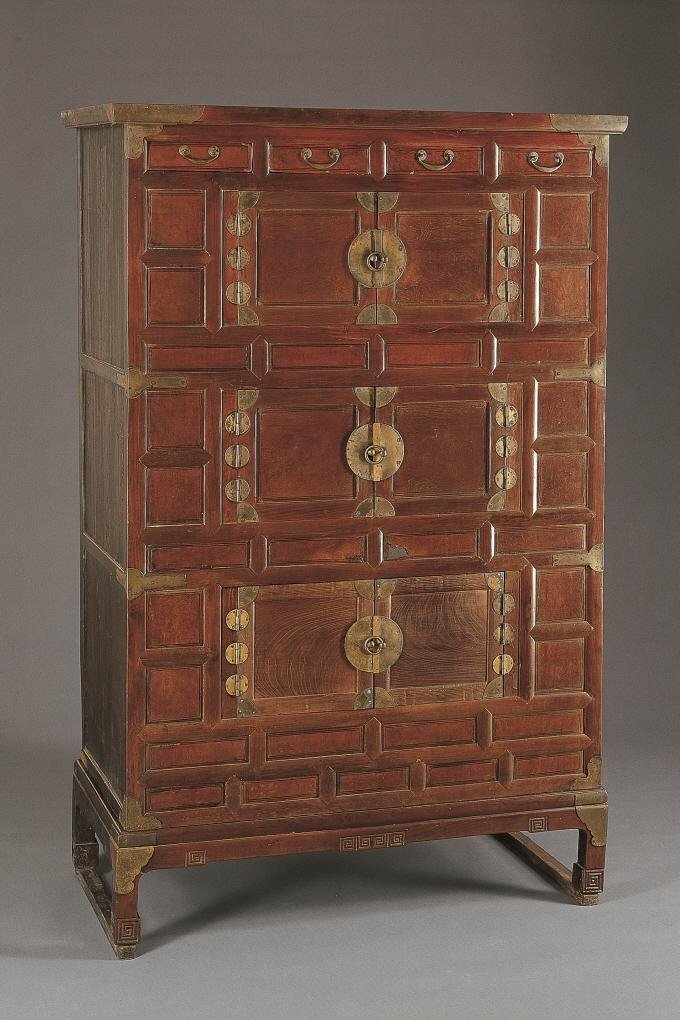
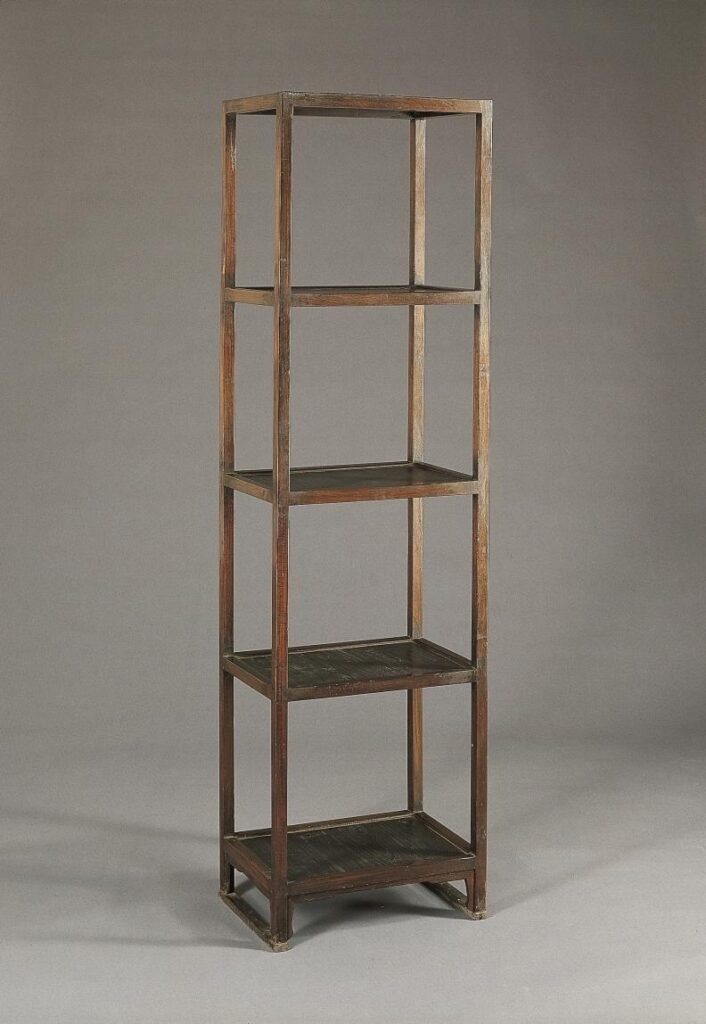
Collection: Seoul National University Museum.
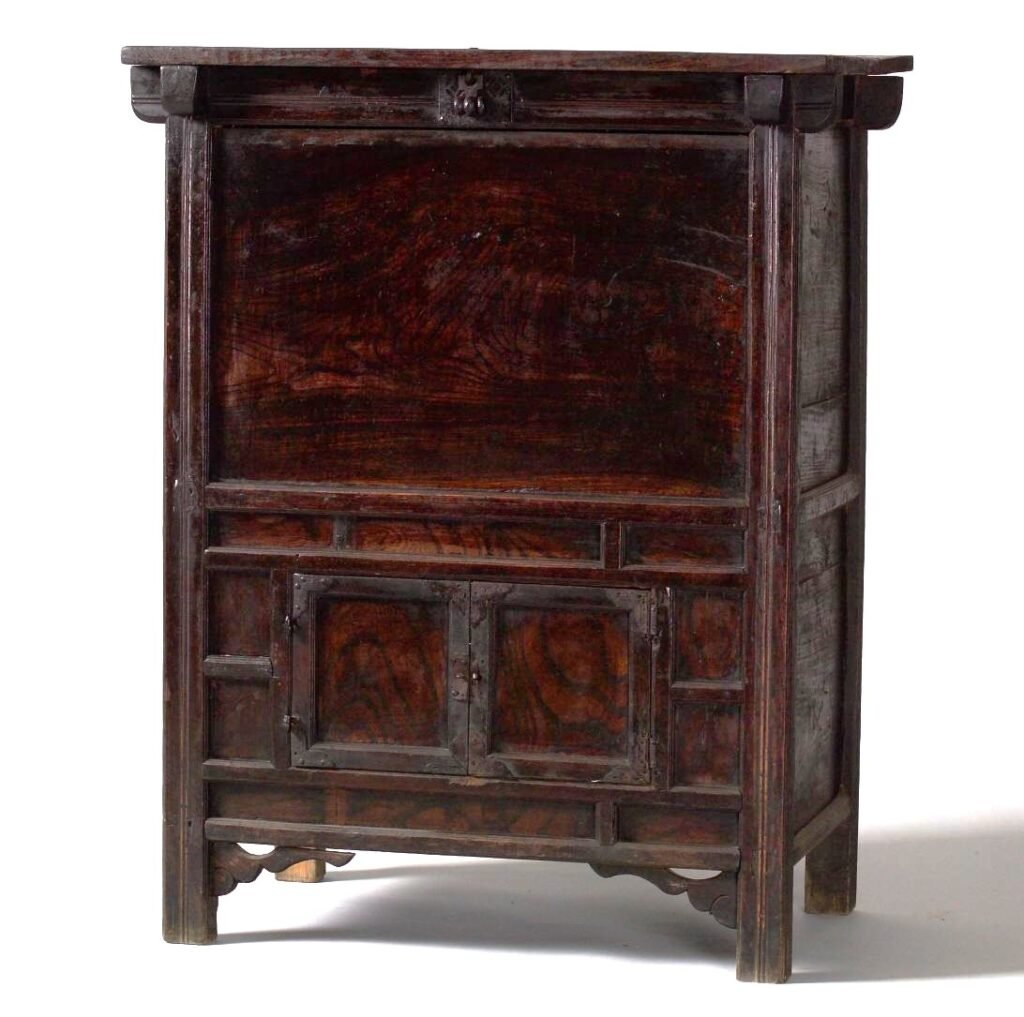
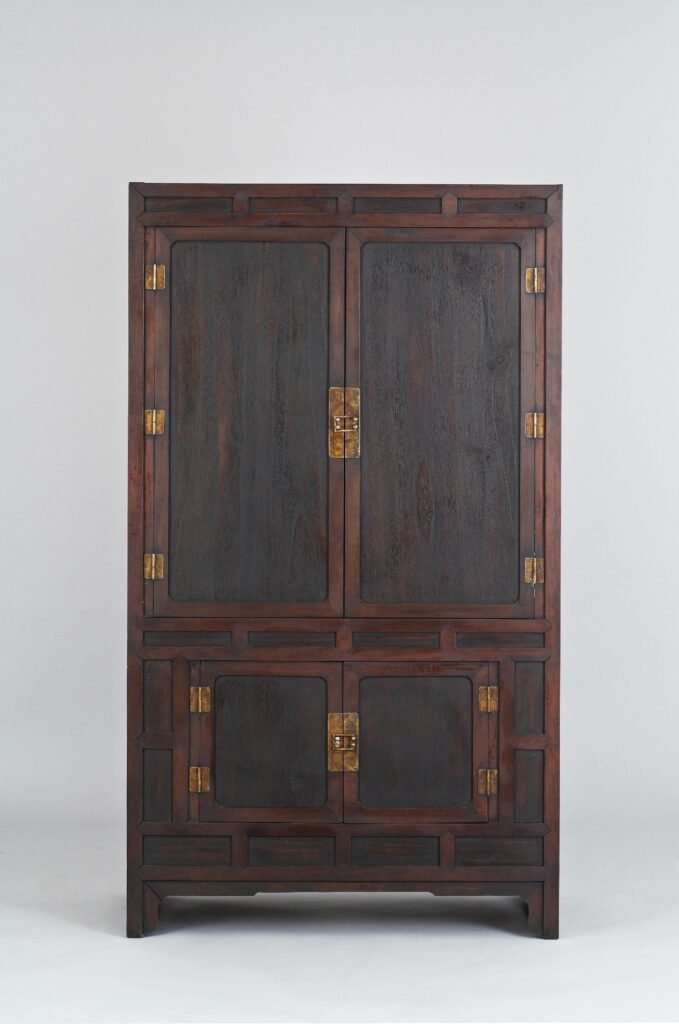
Collection: Kyungwoon Museum.